Etosha → Rundu — Lions, a Flooded Track, and the Okavango
Etosha → Rundu — Leões, uma Pista Inundada e o Okavango
📍 Rundu, NamibiaI woke up at 5am, my body has figured out the routine. But I had to wait until 6am for her to wake up. No problem, I went down to the lake to see if there were any elephants. There weren't.
The plan was to have breakfast and leave early, because it's the longest driving day: nine hours, and that's a conservative estimate.
We only have fuel for 300 km, and the next petrol station is 260 km away. We need to save, but the first 150 km are inside Etosha with constant stops to watch wildlife. We'll keep an eye on it.
First hours of safari, nothing!! Just the crossing of a flooded section over 50 metres long, with water reaching the windscreen. No photos, we both had other things on our minds at that moment. A shame.
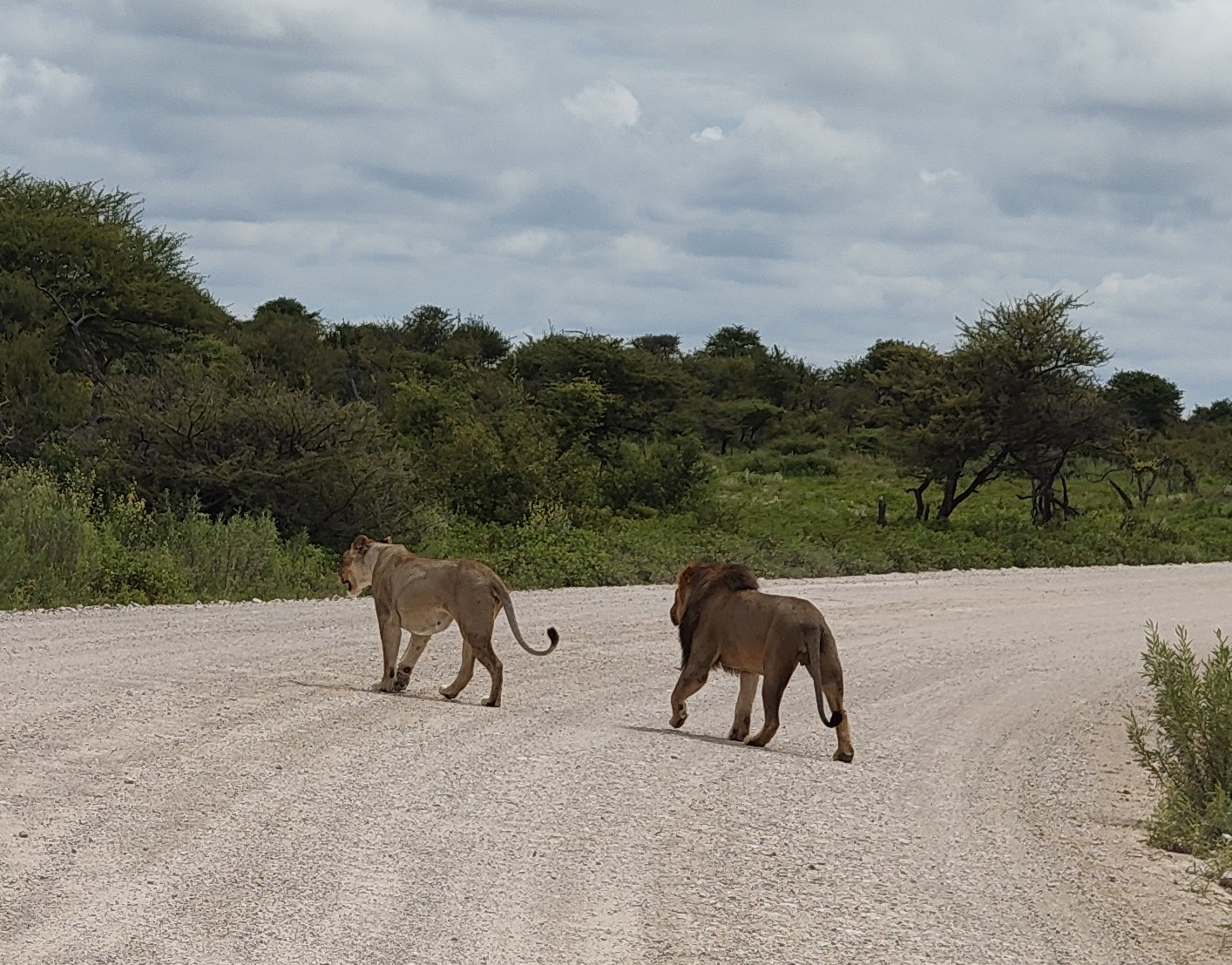
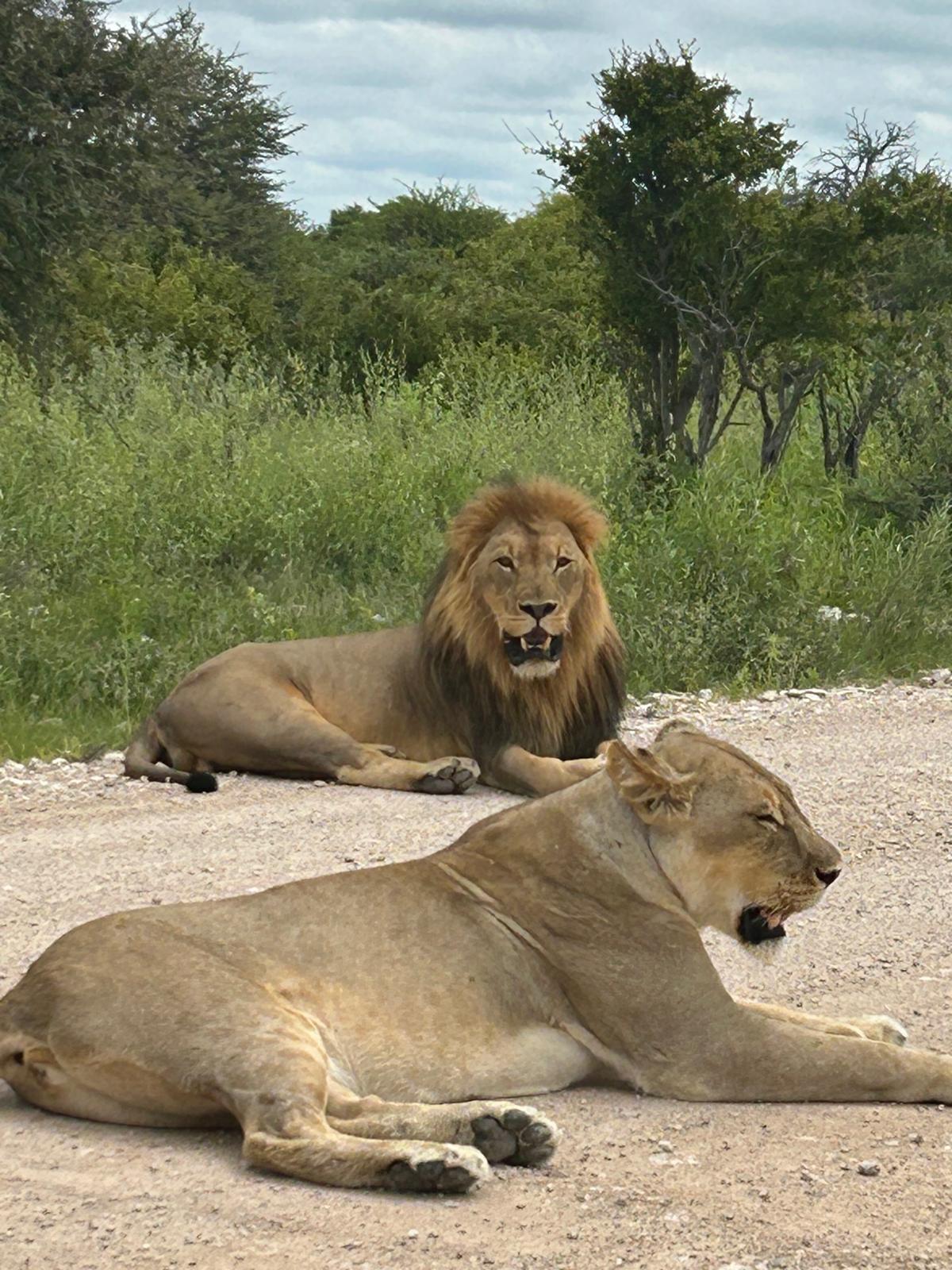
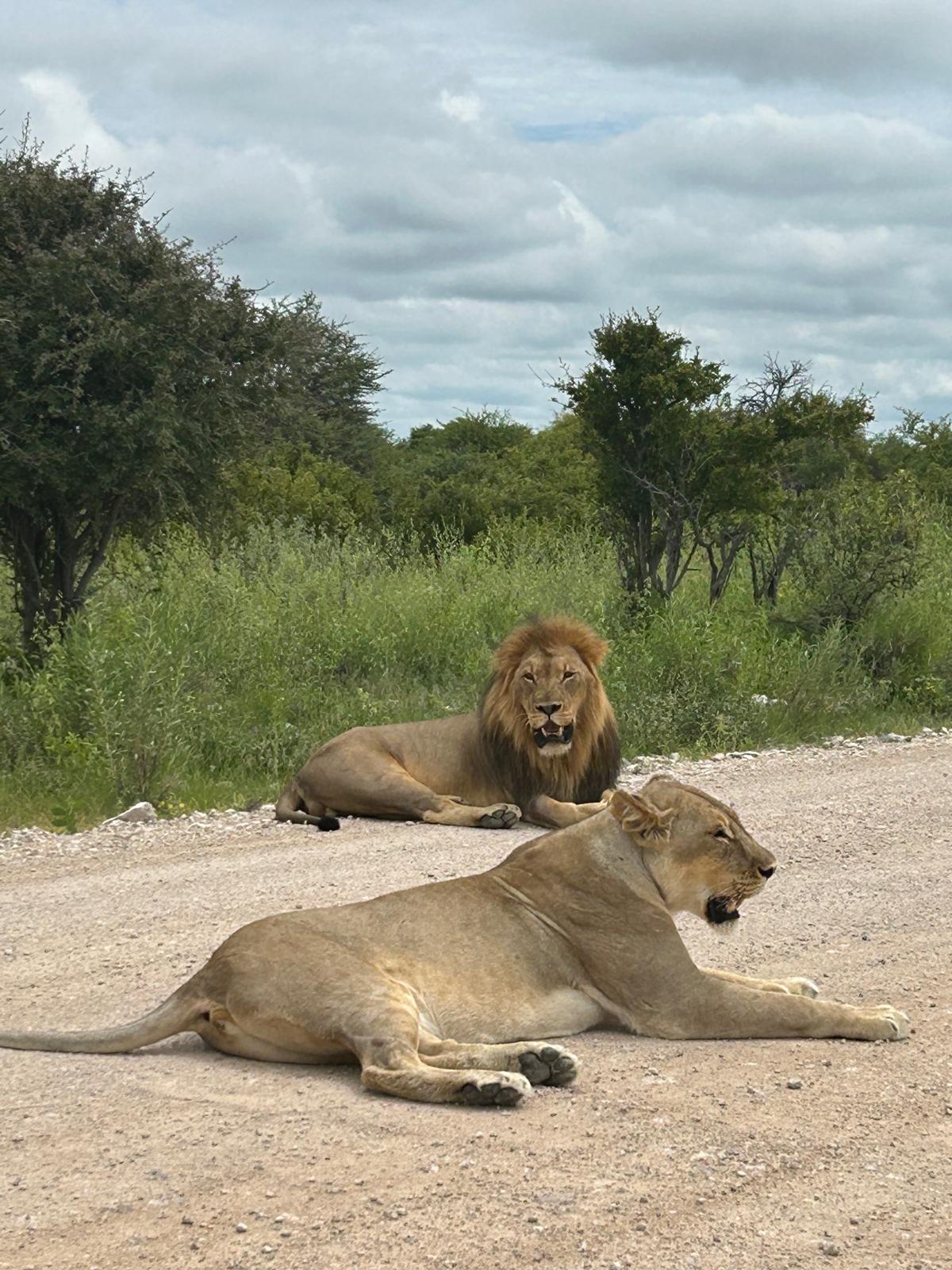
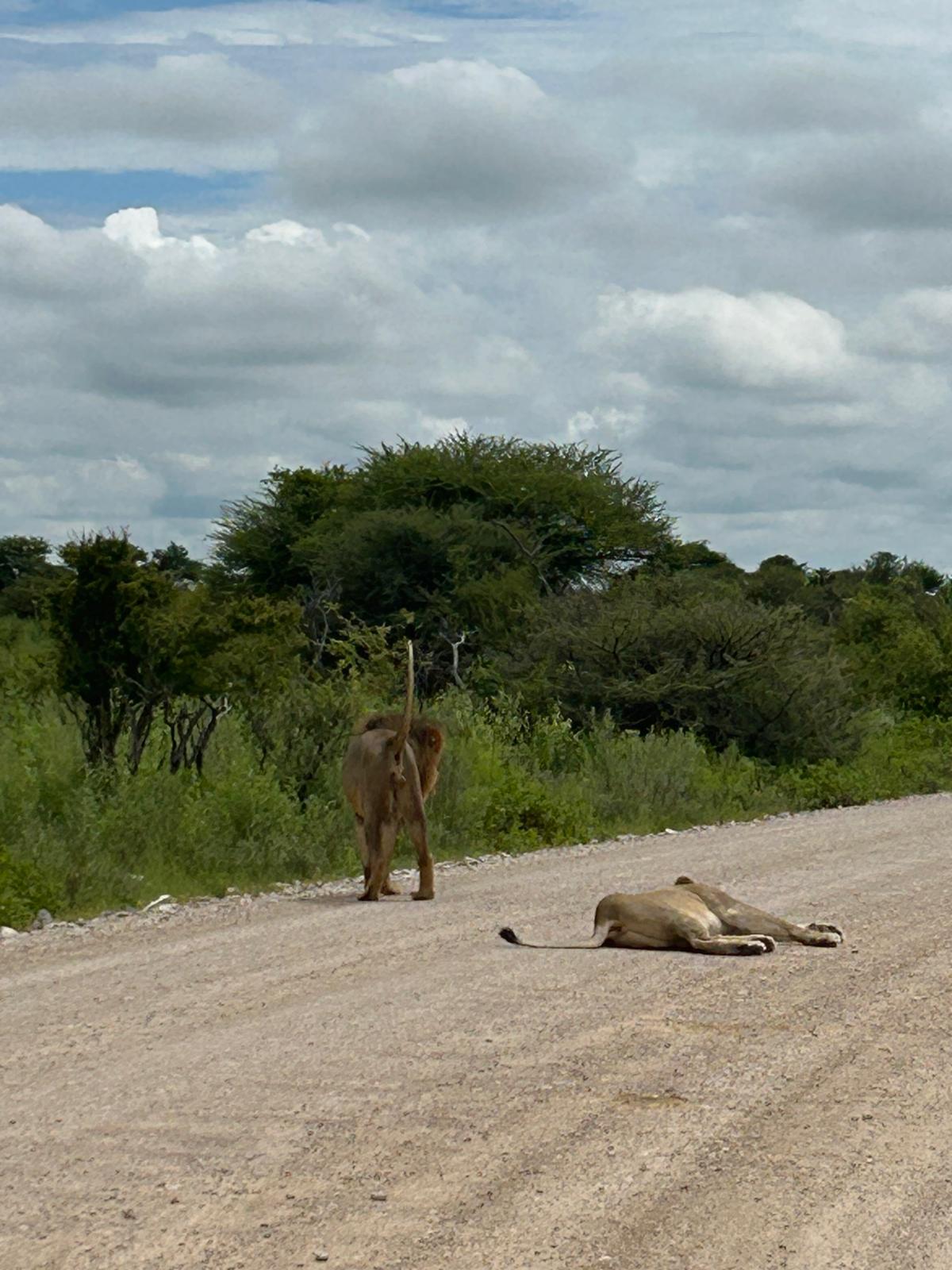
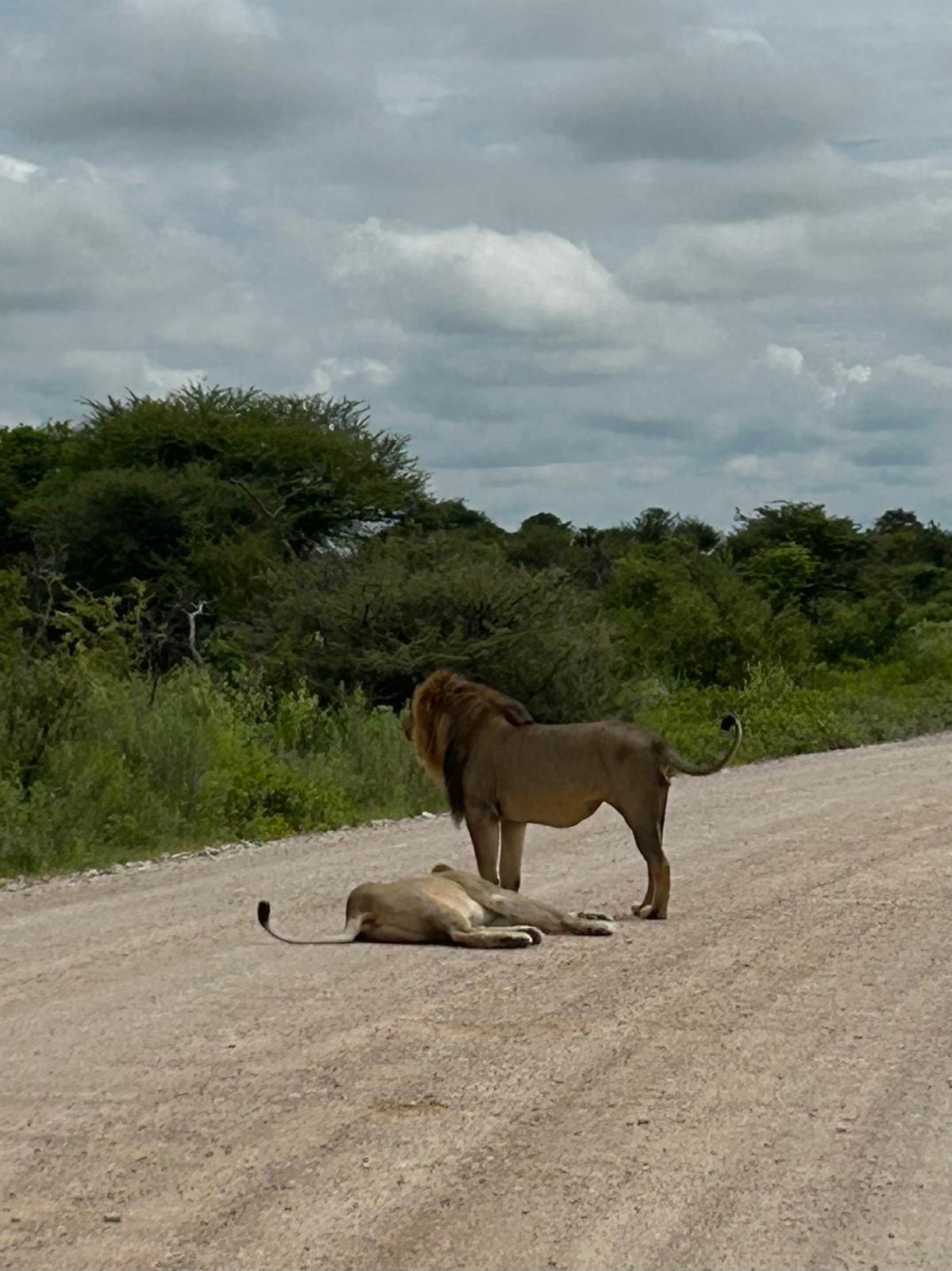
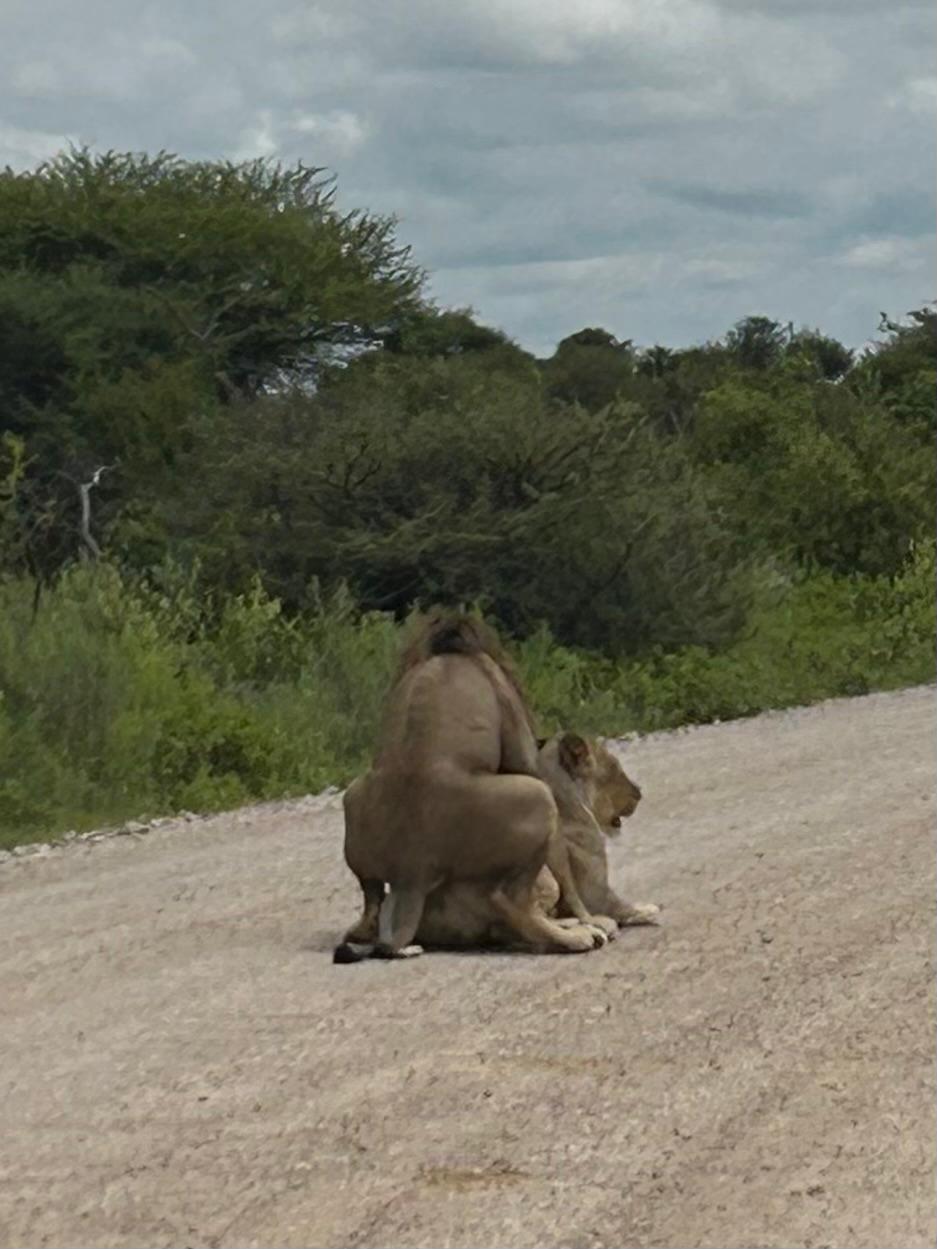
We carried on and, beyond the water crossings, there wasn't much excitement, until, almost at the end, a pair of lions "making love". A ritual I'd seen in documentaries but never in person. I felt like a voyeur, but never mind, National Geographic started it.
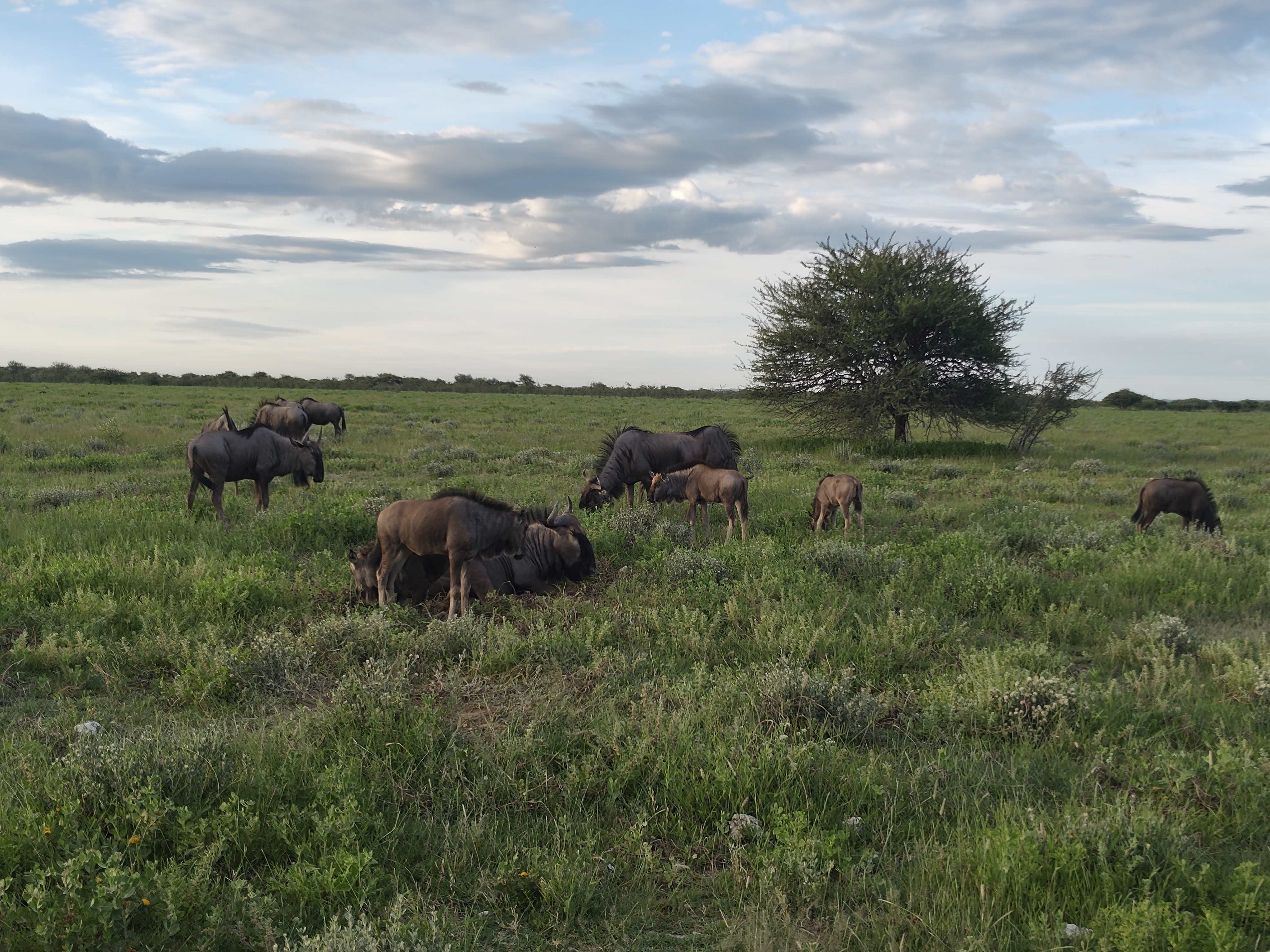
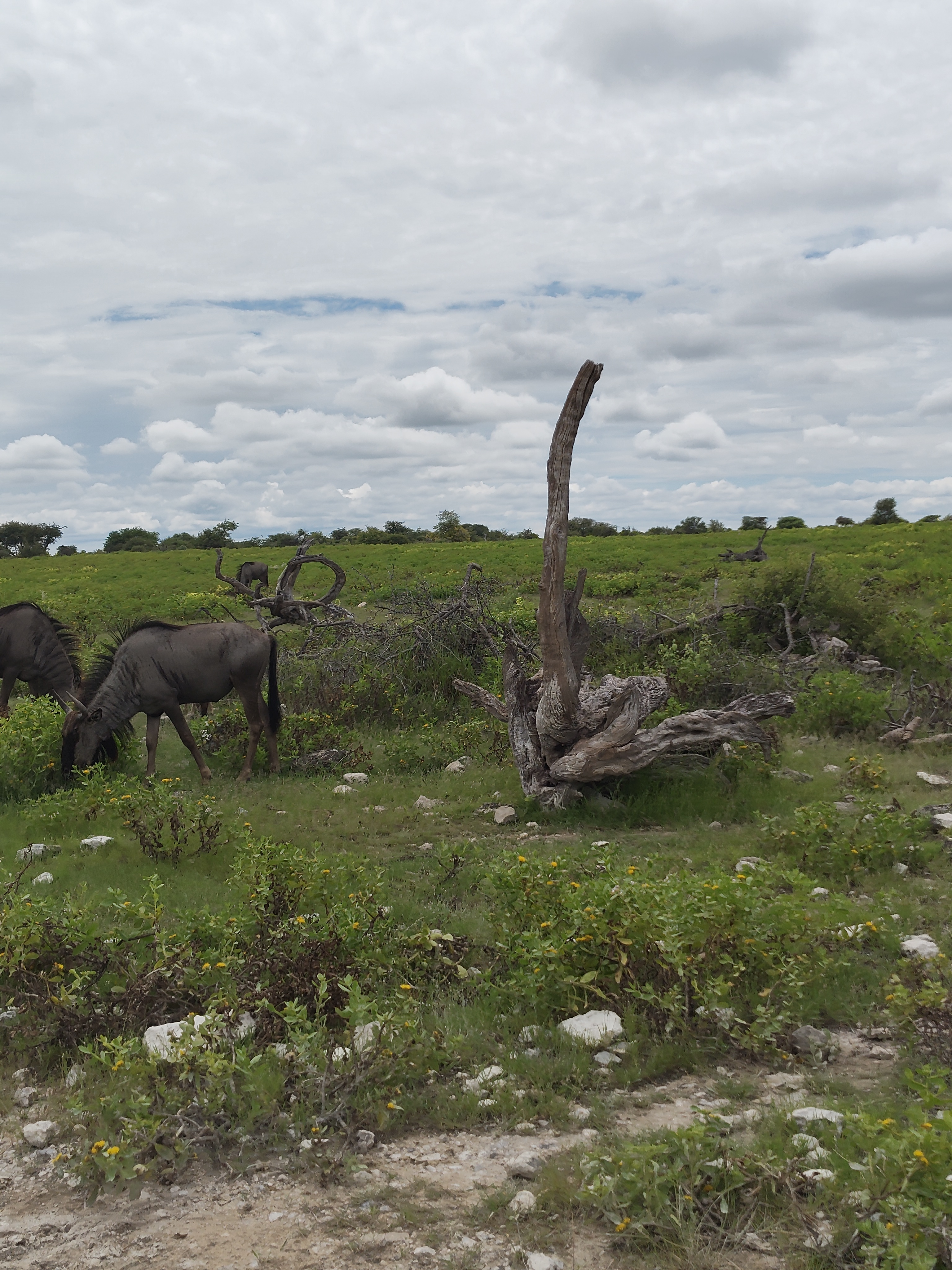
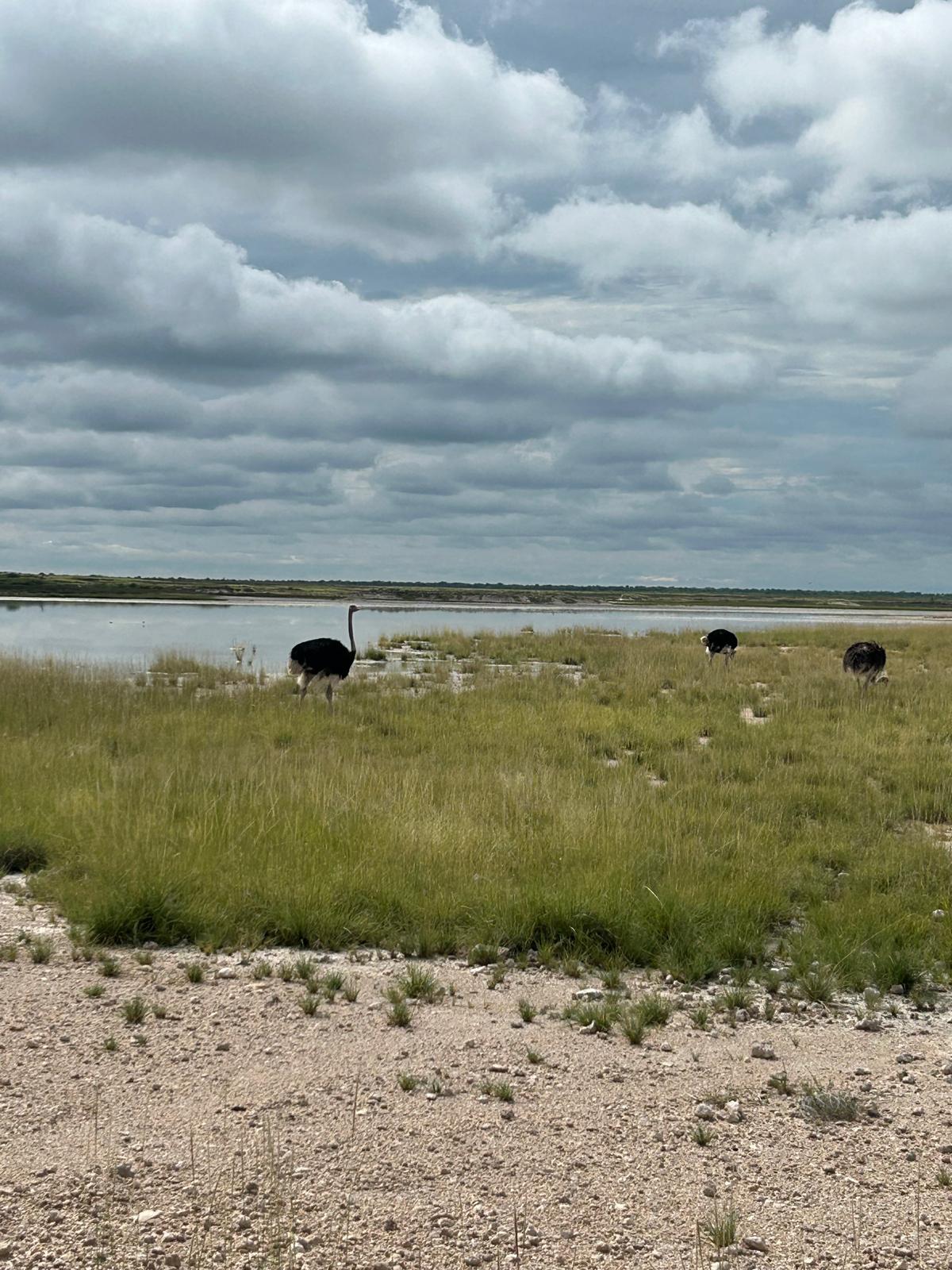
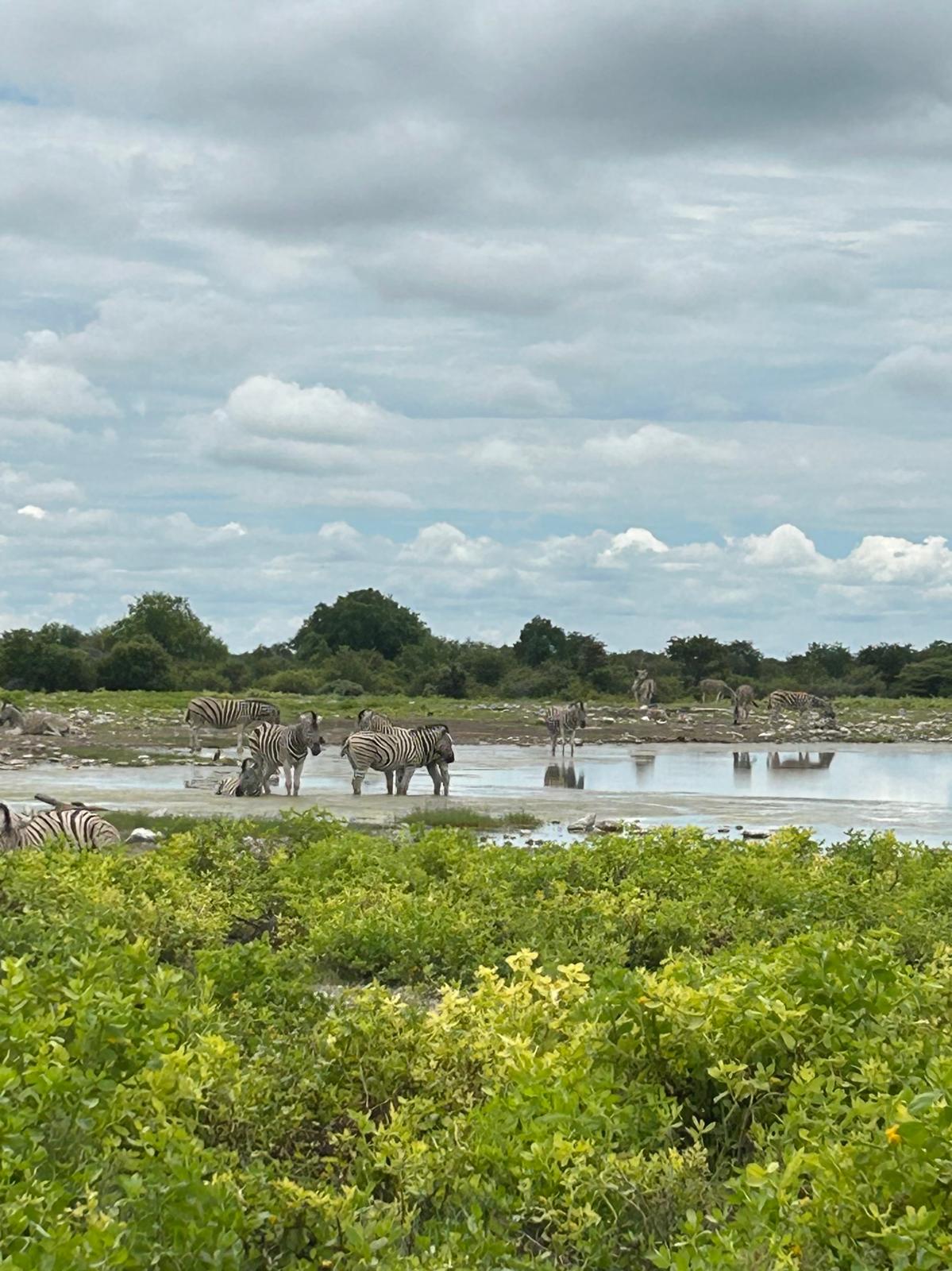
Then a waterhole full of life. Right, it was worth it.
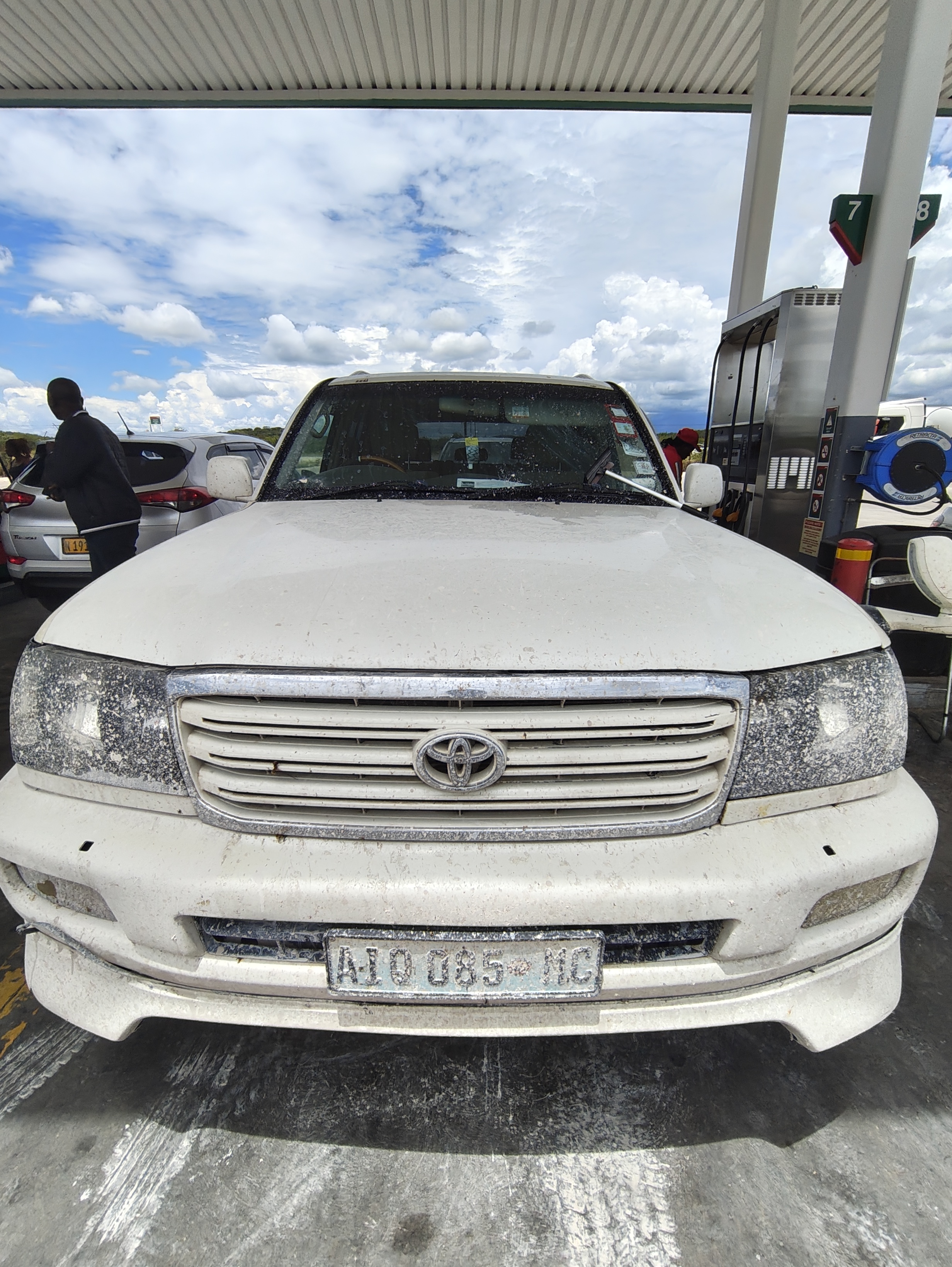
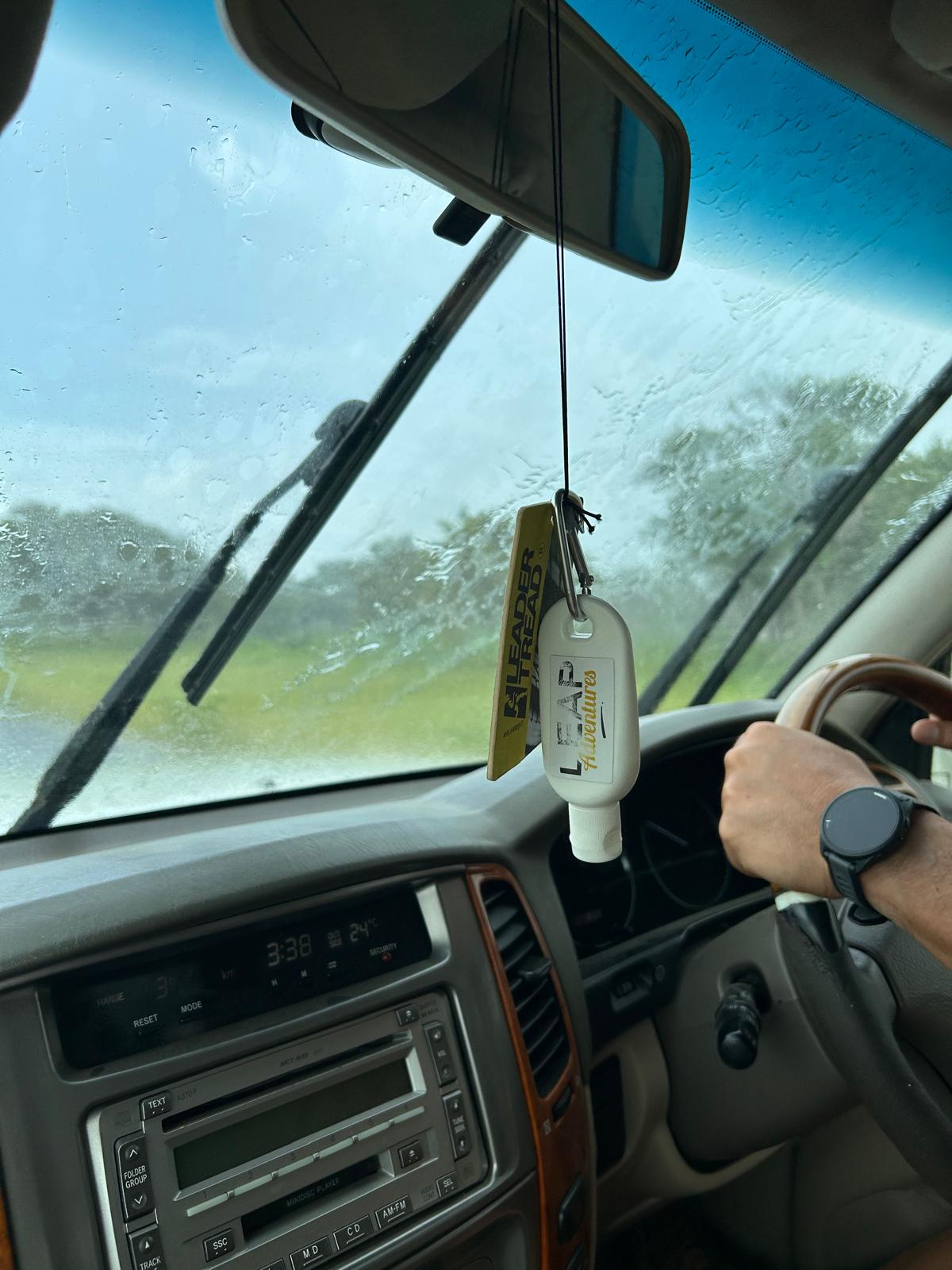
When we left the park we still had the drive to Tsumeb to refuel and clean the windscreen, which had become impossible to see through.
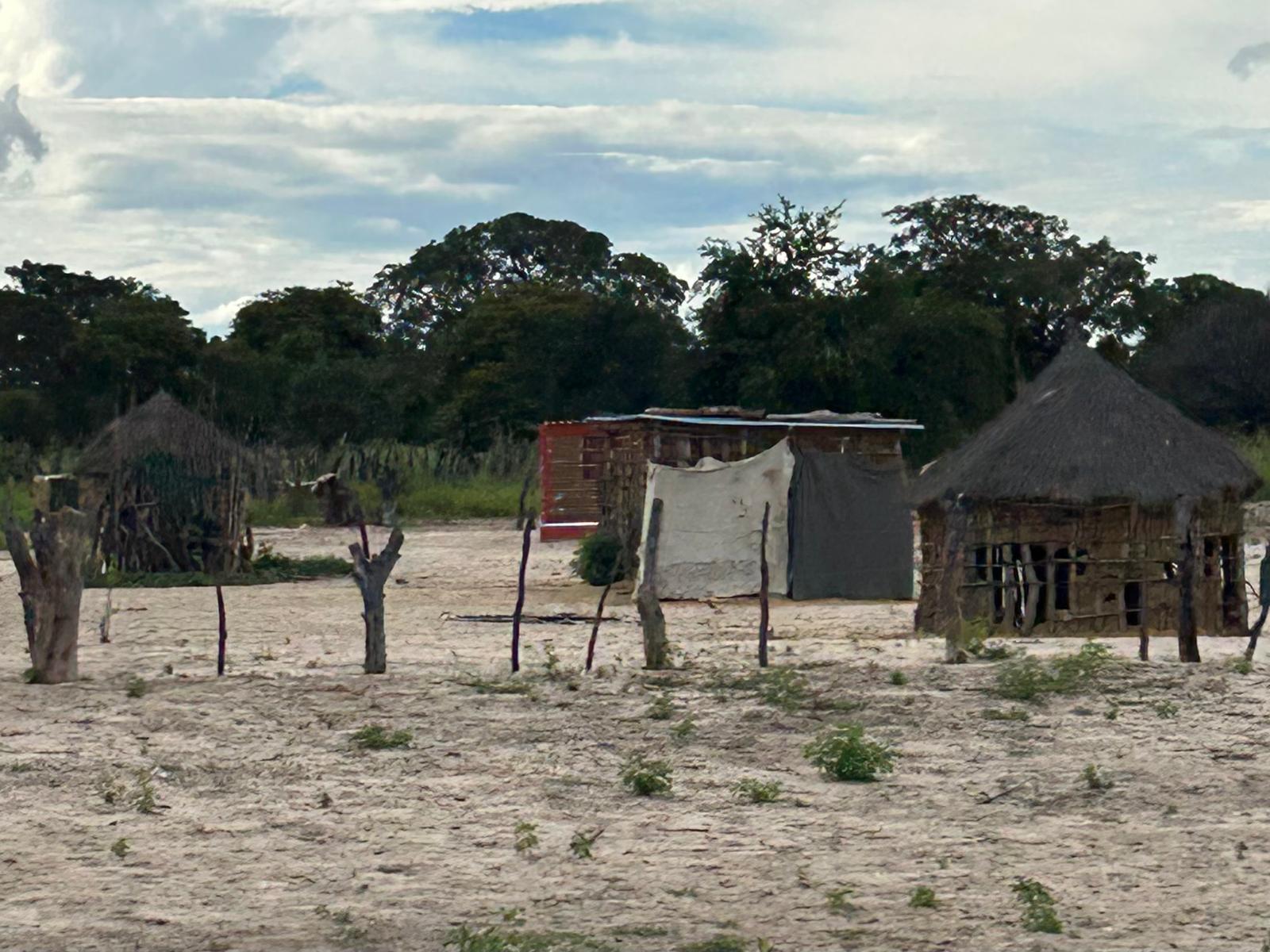
On to Rundu, through a landscape that reminded me of central Mozambique's interior, which also happens to be my neck of the woods. I'll write more about that tomorrow.
Arriving in Rundu and finally setting eyes on the Okavango, which here is called the Kavango and in Angola the Cubango. A river with no mouth, but with a delta. It ends in Botswana, in the famous Okavango Delta, dying in the Kalahari Desert, absorbed by the earth and the sun.
I made several mental notes about the Okavango and about tourism in Mozambique and Namibia, and as soon as Paula takes the wheel and I have some time to write, I'll post about it.
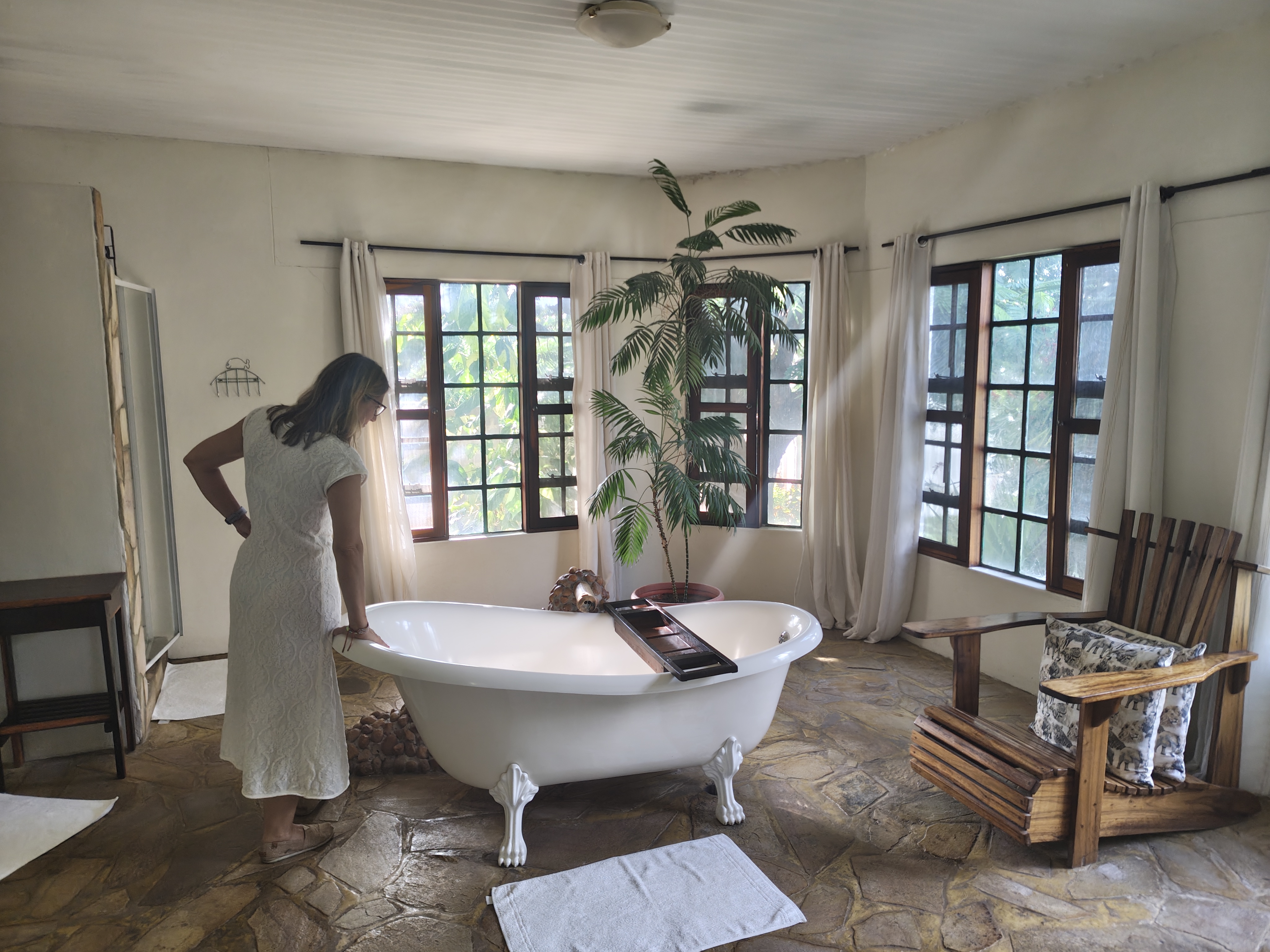
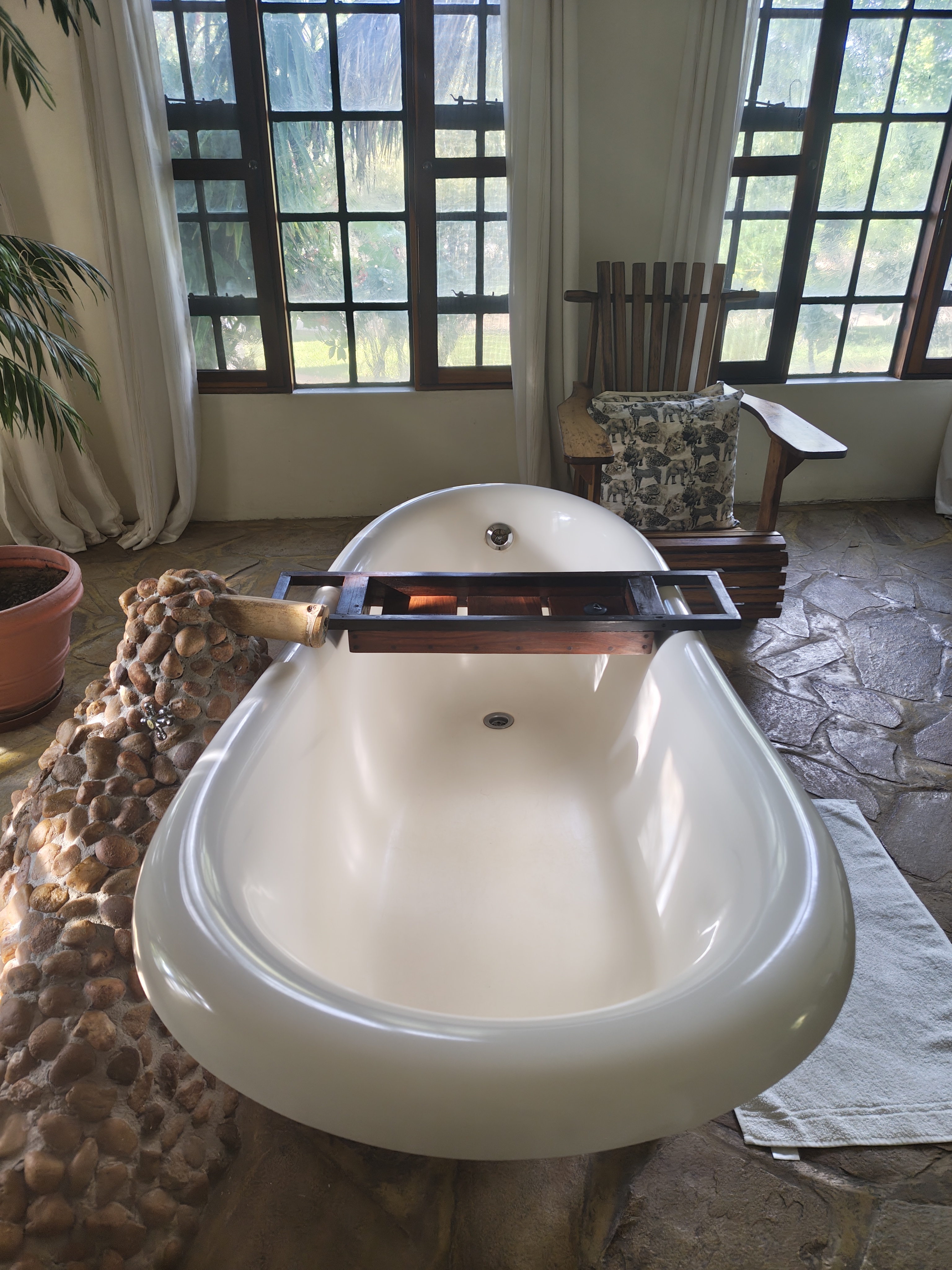
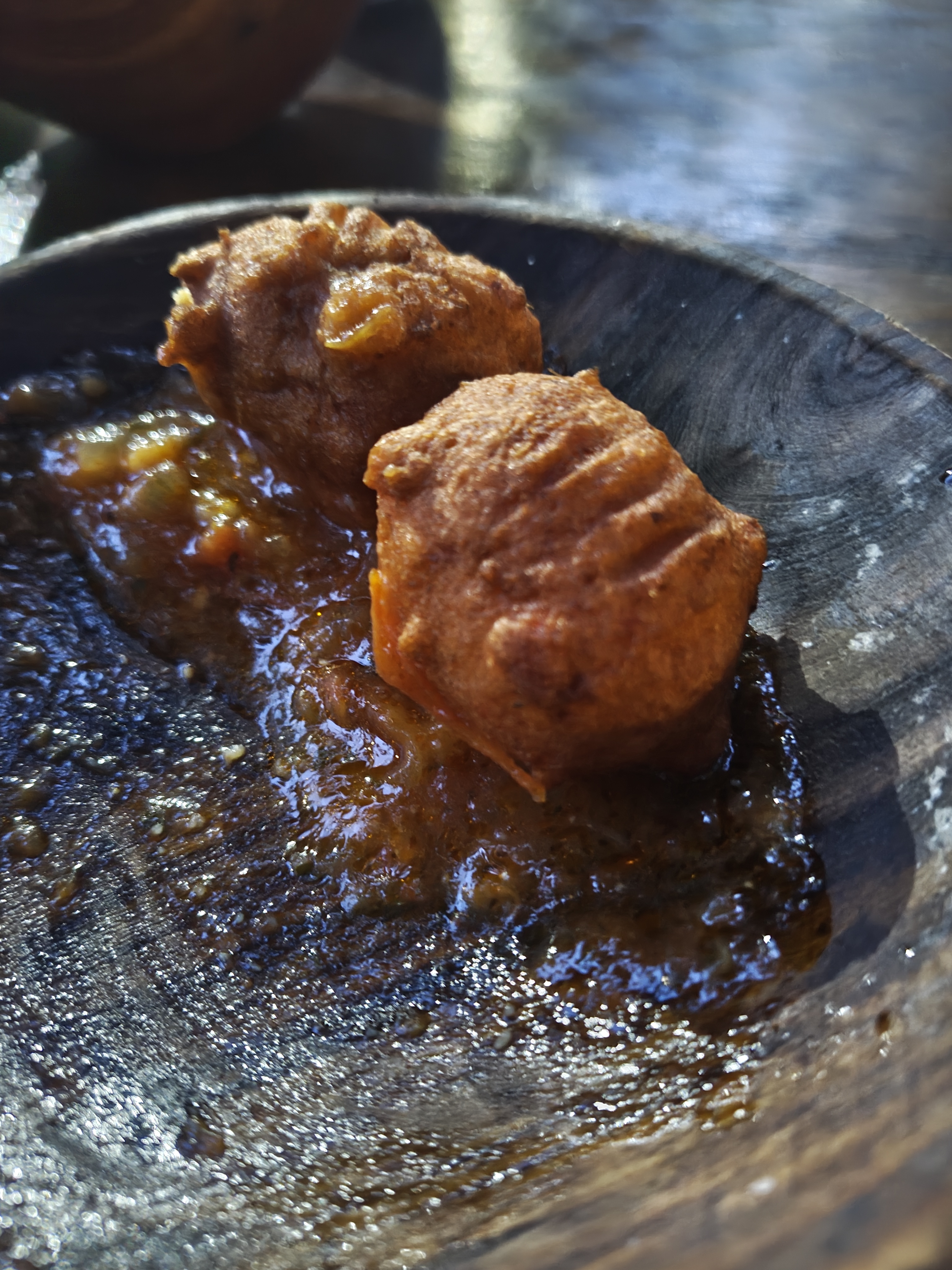
In Rundu we had a traditional dinner, millet (it tasted like quinoa) and chicken curry, plus Namibian badjia (they don't call it badjia, but it's the same thing). We also walked straight into a room with a freestanding bathtub in the middle, a classic of my Africa. With me in it, it would make an excellent Men's Health cover, but I will deny that photo was ever taken.
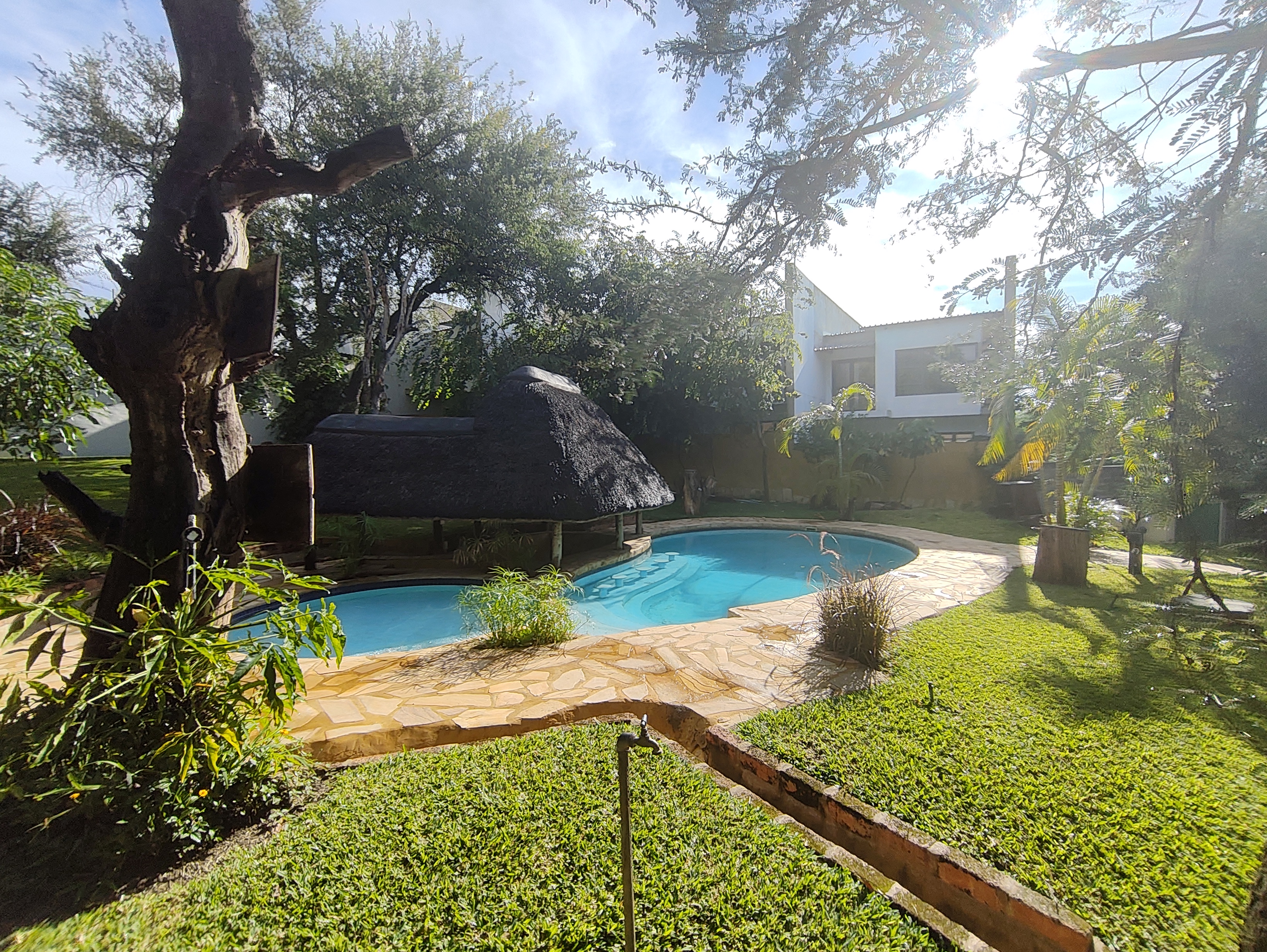
We're on the banks of the Kavango river and we can hear hippos (Paula thinks they're frogs). Earlier I had asked one of the staff here if I could go for a swim, and the answer was "not advisable", with a wrinkled nose. I now understand why.
We fell asleep to the sound of giant frogs, which here in Africa are better known as hippos.
Acordei às 5h, o corpo já percebeu a rotina. Mas tive de esperar pelas 6h para ela acordar, tranquilo, fui até ao lago ver se havia elefantes. Não havia.
O plano era tomar o pequeno-almoço e sair cedo, porque é o dia mais longo de carro: vão ser 9 horas, estimativa por baixo.
Só temos combustível para 300 km, a próxima bomba de serviço fica a 260 km. Temos de poupar, mas os primeiros 150 km são em Etosha com paragens constantes para ver bicharada. Vamos monitorizando.
Primeiras horas de safari, nada!! Apenas a travessia de uma poça de água com mais de 50 metros de comprimento, com água até ao vidro. Não temos fotos porque estávamos ambos com outras preocupações nesse momento, uma pena.
Continuámos o safari e, além das poças de água, havia pouca emoção, até que, já quase no final, um casal de leões a "fazer o amor", um ritual que já tinha visto em documentários mas nunca ao vivo. Senti-me um voyeur, mas que se lixe, a National Geographic é que começou.
Depois um water hole cheio de vida. Pronto, já valeu a pena.
Quando saímos do parque ainda tínhamos o caminho até Tsumeb para abastecer e limpar o vidro do carro, que estava impraticável.
Seguimos até Rundu, com uma paisagem semelhante ao interior centro de Moçambique, que me fez pensar muito sobre o turismo naquelas bandas, que também são as minhas bandas. Amanhã escrevo mais sobre isso.
Chegar a Rundu e finalmente pôr os olhos no Okavango, que aqui se chama Kavango e em Angola se chama Cubango. Um rio sem foz, mas com delta. Termina no Botswana, no conhecido Delta do Okavango, morrendo no deserto do Kalahari, absorvido pela terra e pelo sol.
Fiz várias notas mentais sobre o Okavango e sobre o turismo em Moçambique e na Namíbia, e assim que a Paula pegar no volante e eu puder escrever com algum tempo, irei postar sobre isso.
Em Rundu tivemos um jantar tradicional, com millet (parecia quinoa) e caril de frango, e badjia da Namíbia (não lhe chamam badjia, mas é igual). Tivemos também direito a um quarto com banheira ao centro, um clássico do África minha. Comigo lá dentro daria uma excelente capa da Men's Health, mas eu vou negar que alguma vez essa foto tenha sido tirada.
Estamos na margem do rio Kavango e ouvimos hipopótamos (a Paula acha que são sapos). Antes já tinha perguntado a um senhor que aqui trabalha se podia ir nadar, e a resposta foi "not advisable", torcendo o nariz. Percebo agora porquê.
Adormecemos ao som dos sapos gigantes, que aqui em África são mais conhecidos por hipopótamos.