Okavango with a View of Angola — and 30 Years
Okavango com vista para Angola — e 30 anos
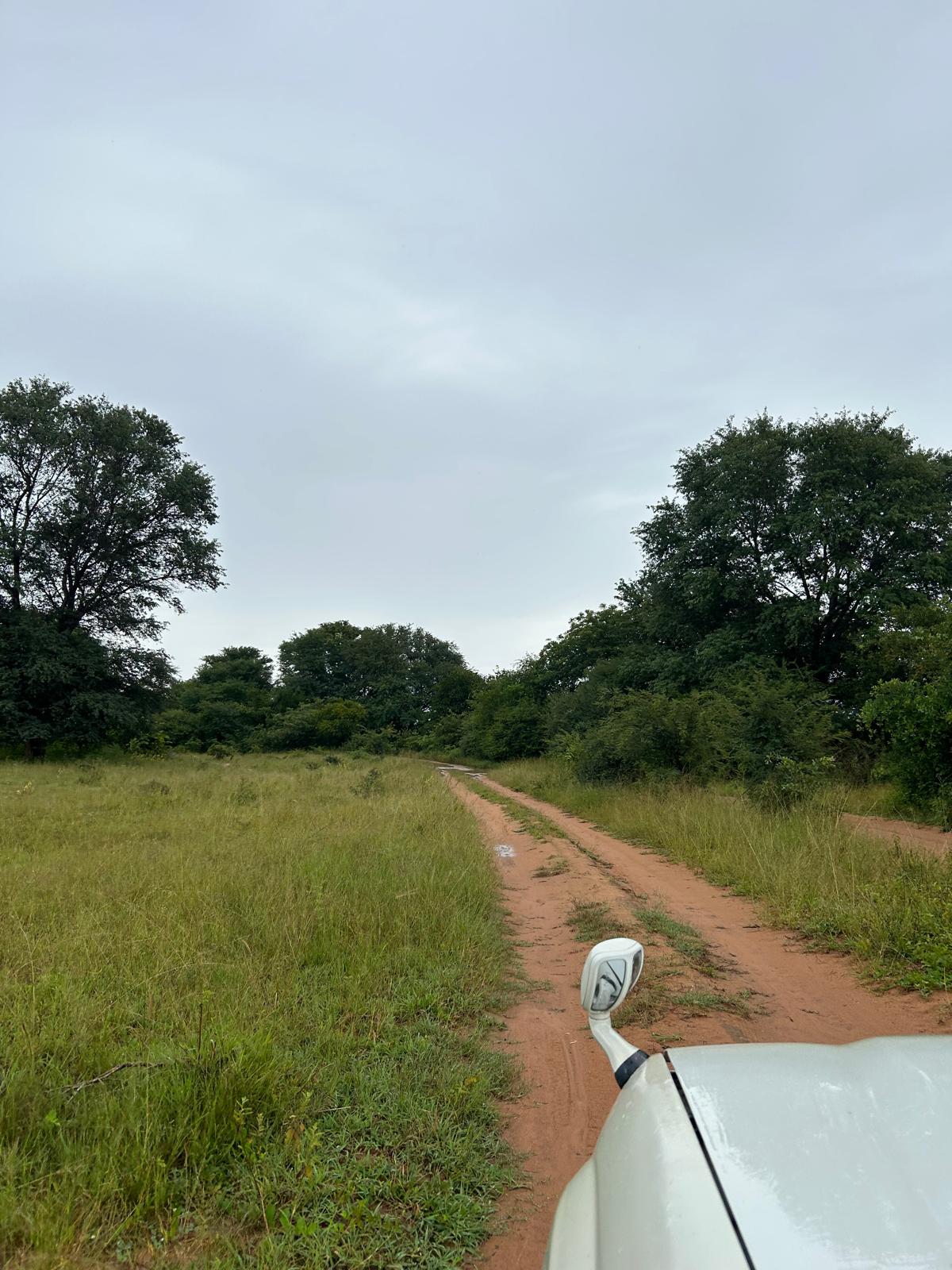
📍 Divundu, NamibiaThe road today started getting greener as we entered the Caprivi Strip.
The first stop was, as usual, to fill up with fuel. We were greeted in Portuguese: "Good morning, I'm Paulo", he was Angolan. "Here's Paula and Fernando." "Oh, my namesake!" he exclaimed, extending his hand and breaking into a smile. "Where are you cousins from?", and when we hesitated, he added, "Angola? Portugal? Mozambique?" I thought of Agostinho da Silva, who used to say that his homeland was the Portuguese language.
We left Paulo after what was meant to be a brief chat but stretched to three or four minutes, because the tank is large and the card machine wasn't working, "power problem", and we set off with Paula at the wheel so I could write.
We stopped at a police checkpoint (I think I've explained the concept before, we went through several in South Africa; if I ever forget, I'll ask Vasco and Raul), and the car behind pulled up alongside us already in full lecture mode: "You are driving in the middle of the road." The scolding softened when they realised Paula was driving. We didn't say a word. They smiled, waved, and went back to the queue. Wise of them not to mess with the beast.
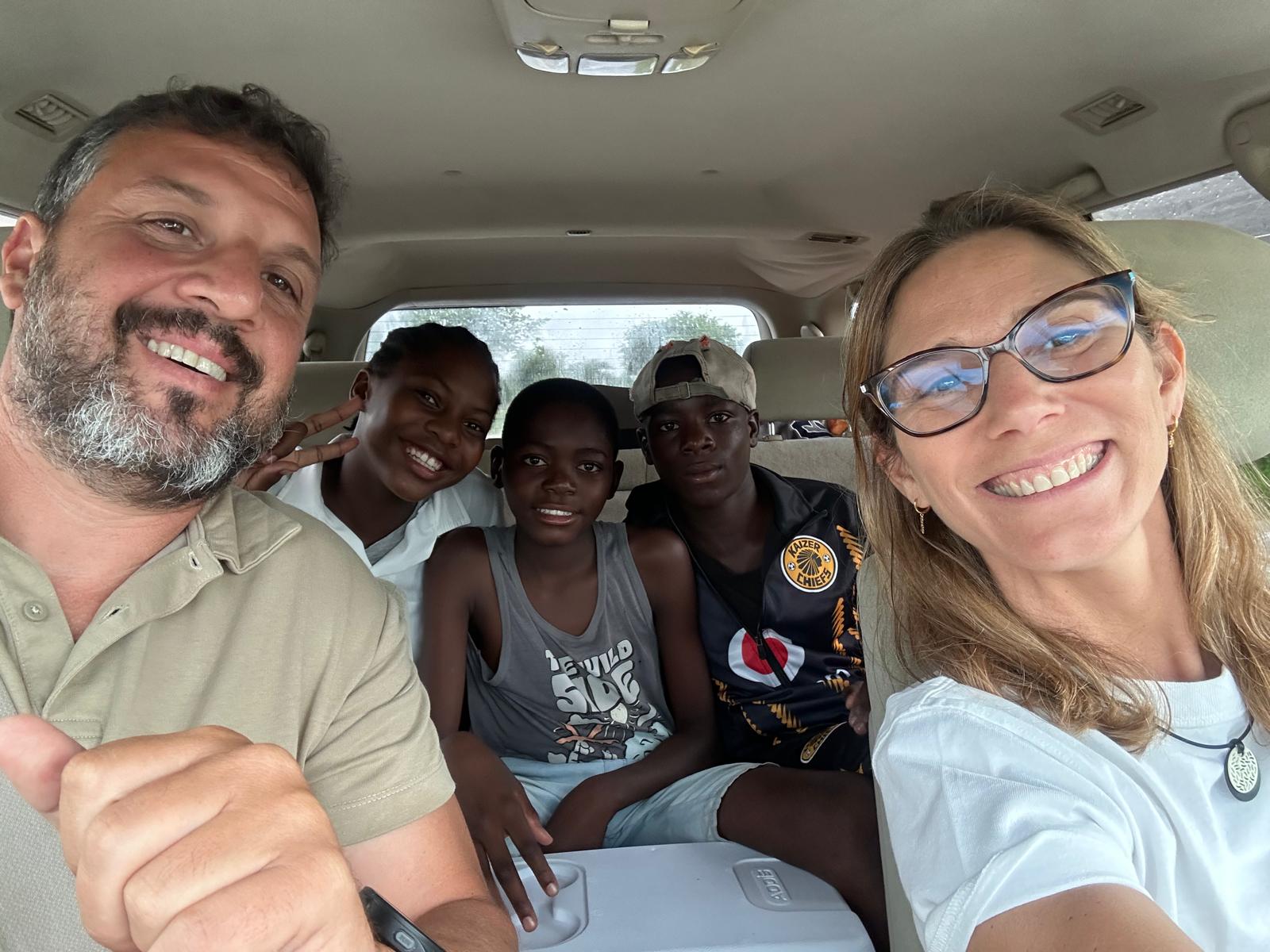
At the second checkpoint a young woman approached asking for a lift, but she had a group of at least six more boys with her. I pointed to the back seat, which had two cool boxes and gear, and asked: can three fit in here? She said "Sure we do!", as if to say all seven could squeeze in.
I rearranged the seat to make room for Júlia, Fabian, and Pedrus. Another Pedro in my life, there were so few.
They're in 8th grade, except Júlia who's in 9th, perhaps that's why she ended up as the spokesperson. She wants to be a pilot and knows there's a course in Windhoek. Home is 20 km from school, but they're boarders, staying in a hostel as she called it. The only problem is the food, not enough and not good. They're heading home because the same power problem at the fuel station had also reached the school and cancelled classes. So today, they'll eat well at home.
Júlia explained that she has nine subjects, including one on Entrepreneurship. The boys confirmed they have it too. They also learn Rumanyo alongside English, but the local language is Thimbukushu, that one isn't taught at school.
The rain stopped just as they got out of the car, and we carried on to the lodge. The plan was to check if it actually existed (they hadn't been answering messages) and then head to Mahango for a safari.
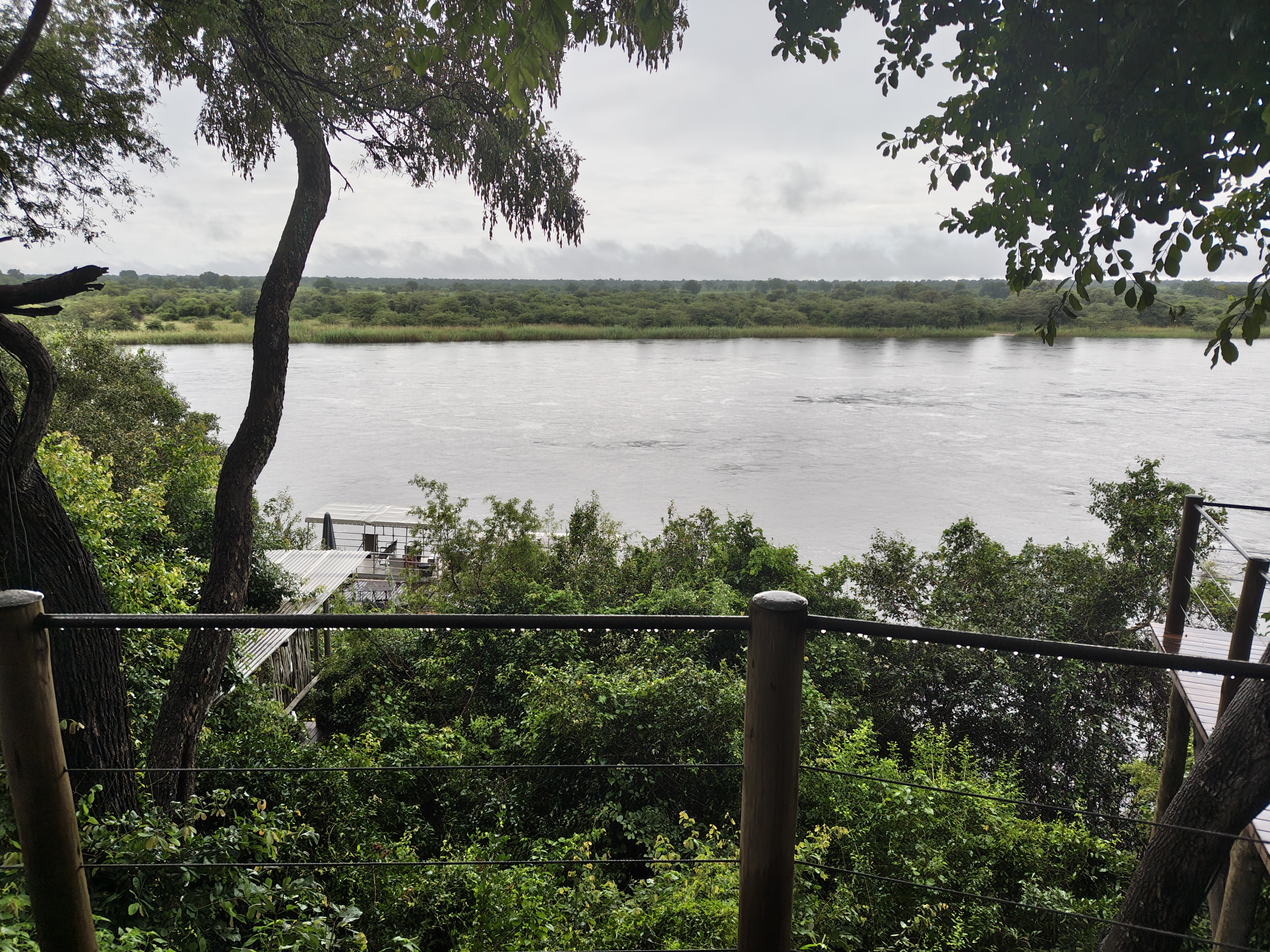
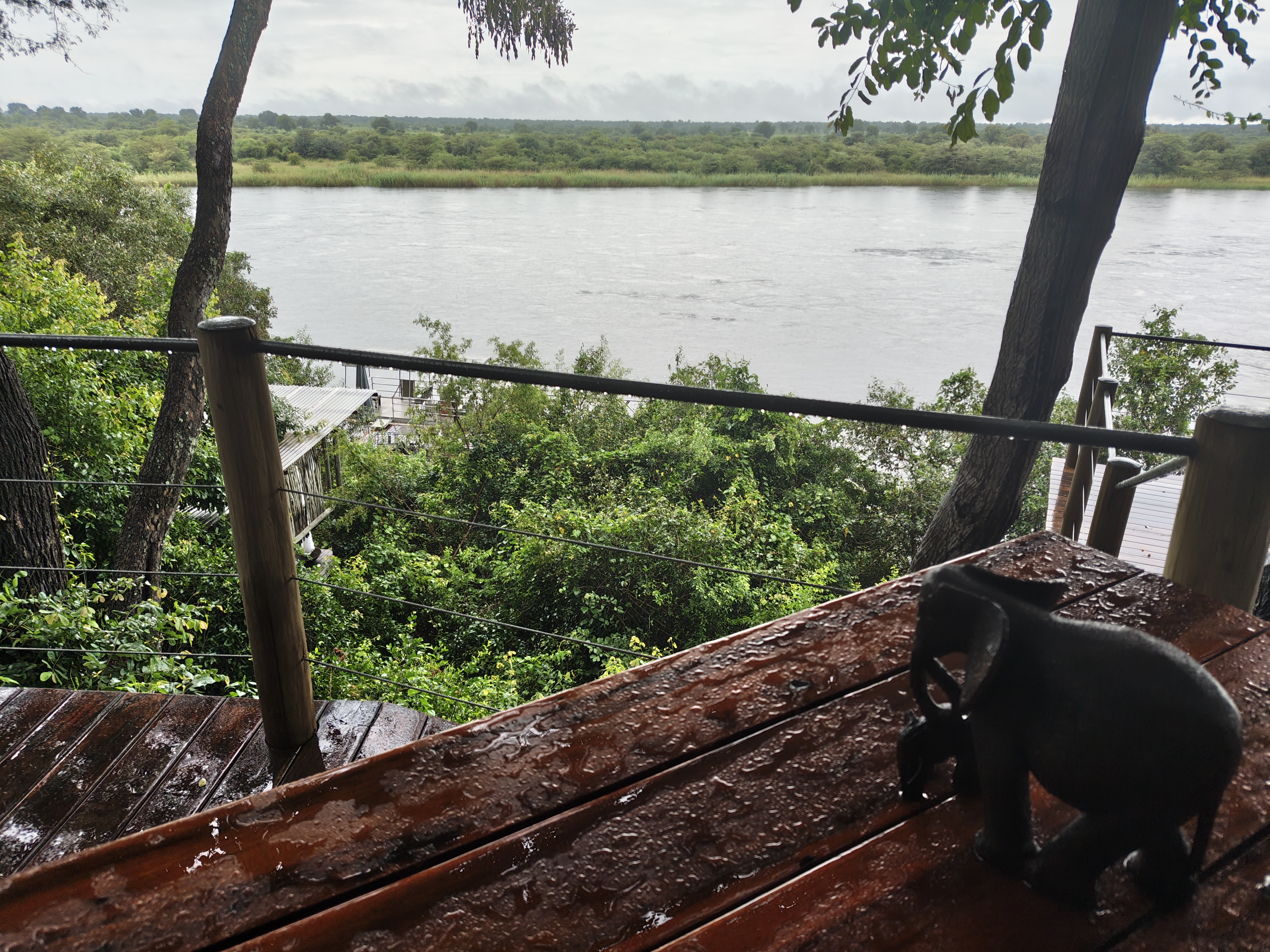
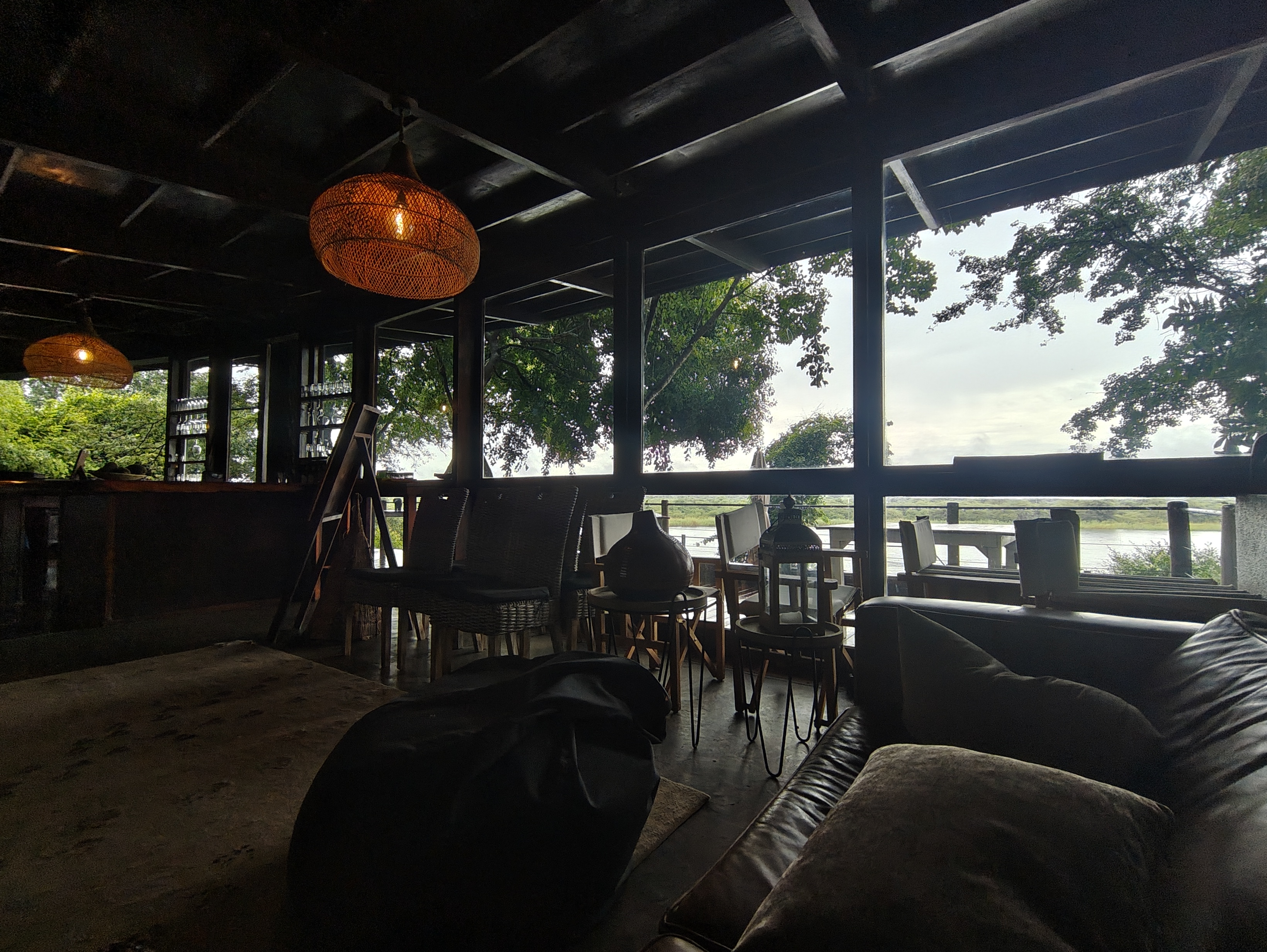
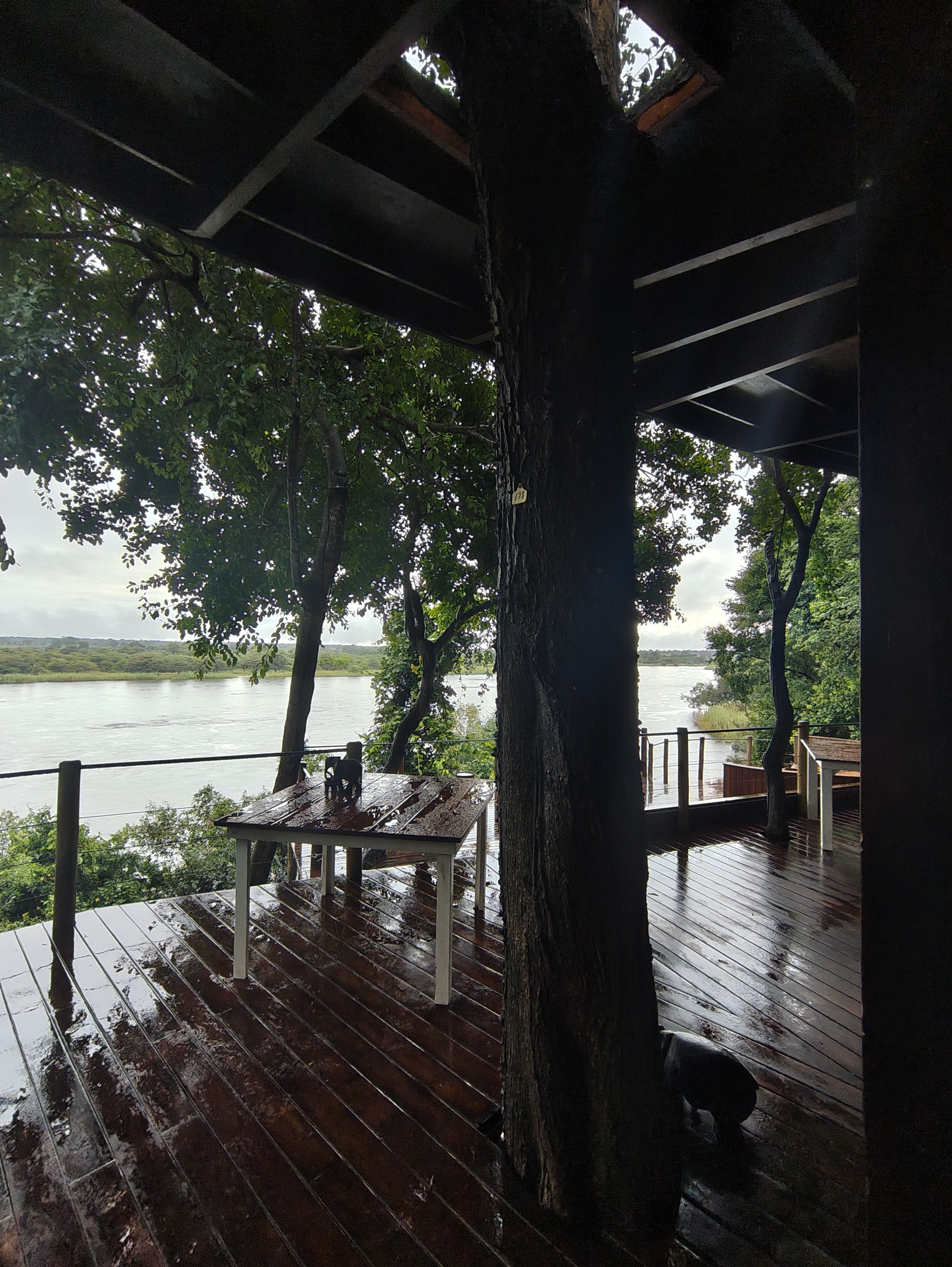
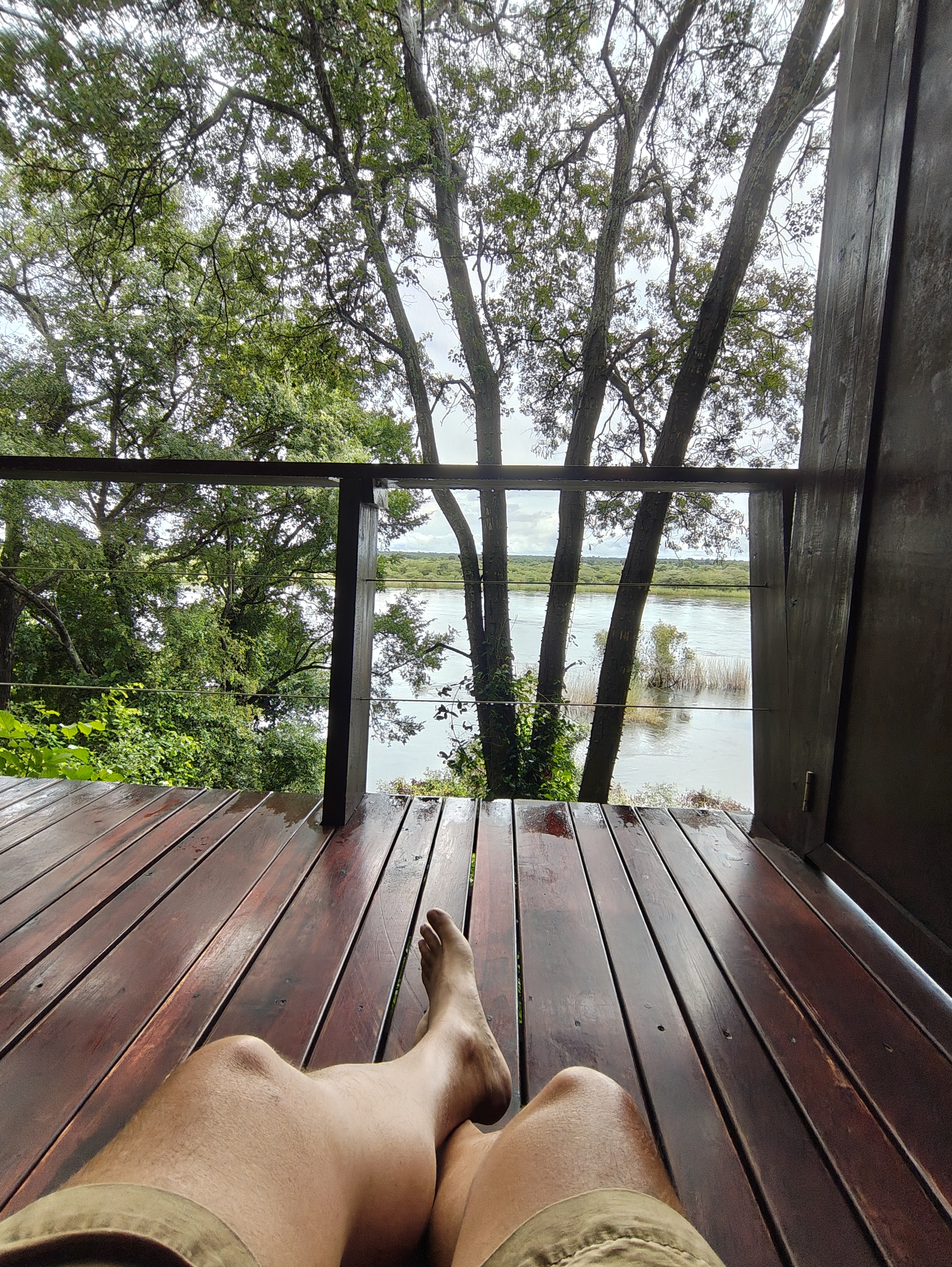
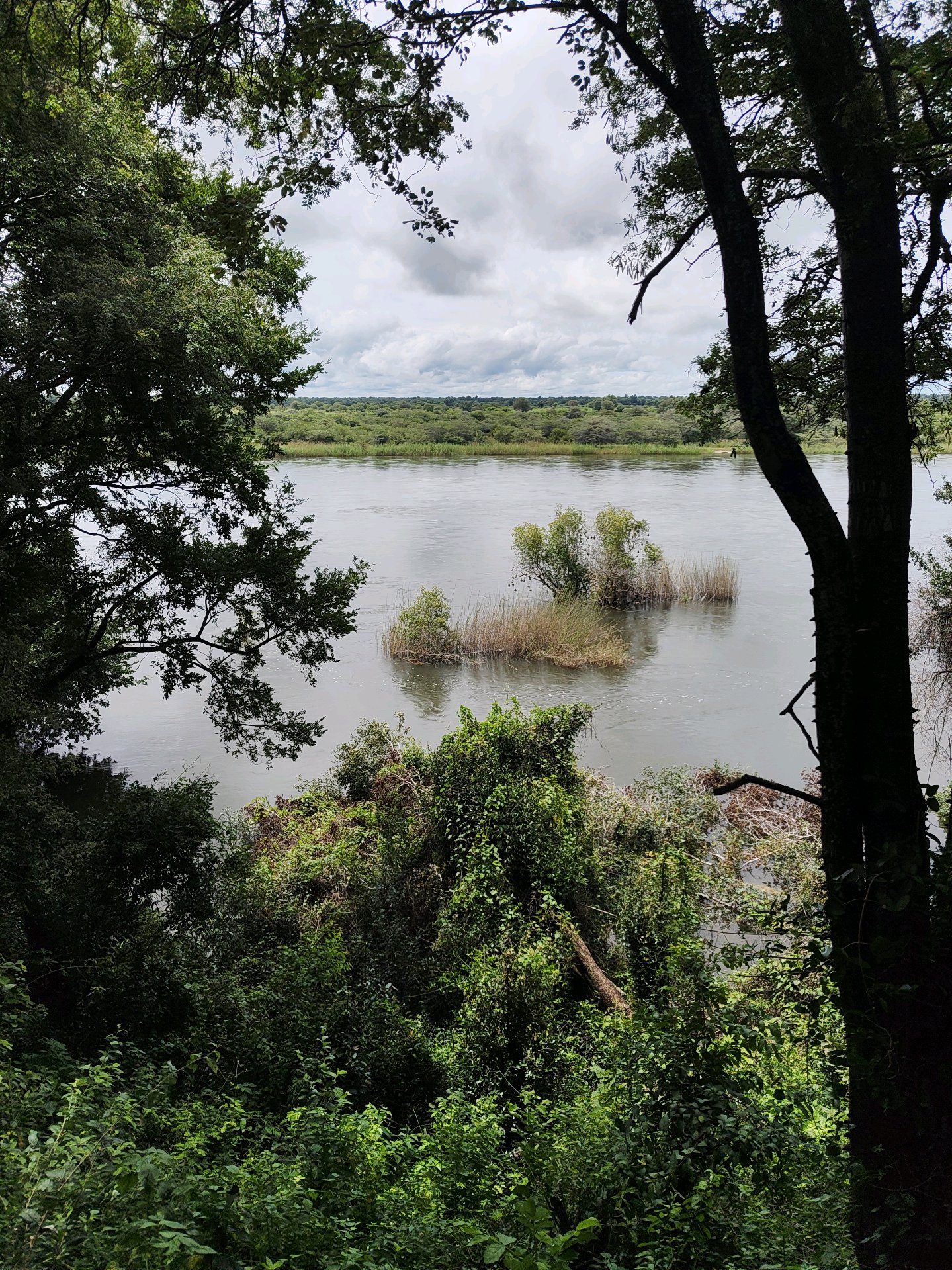
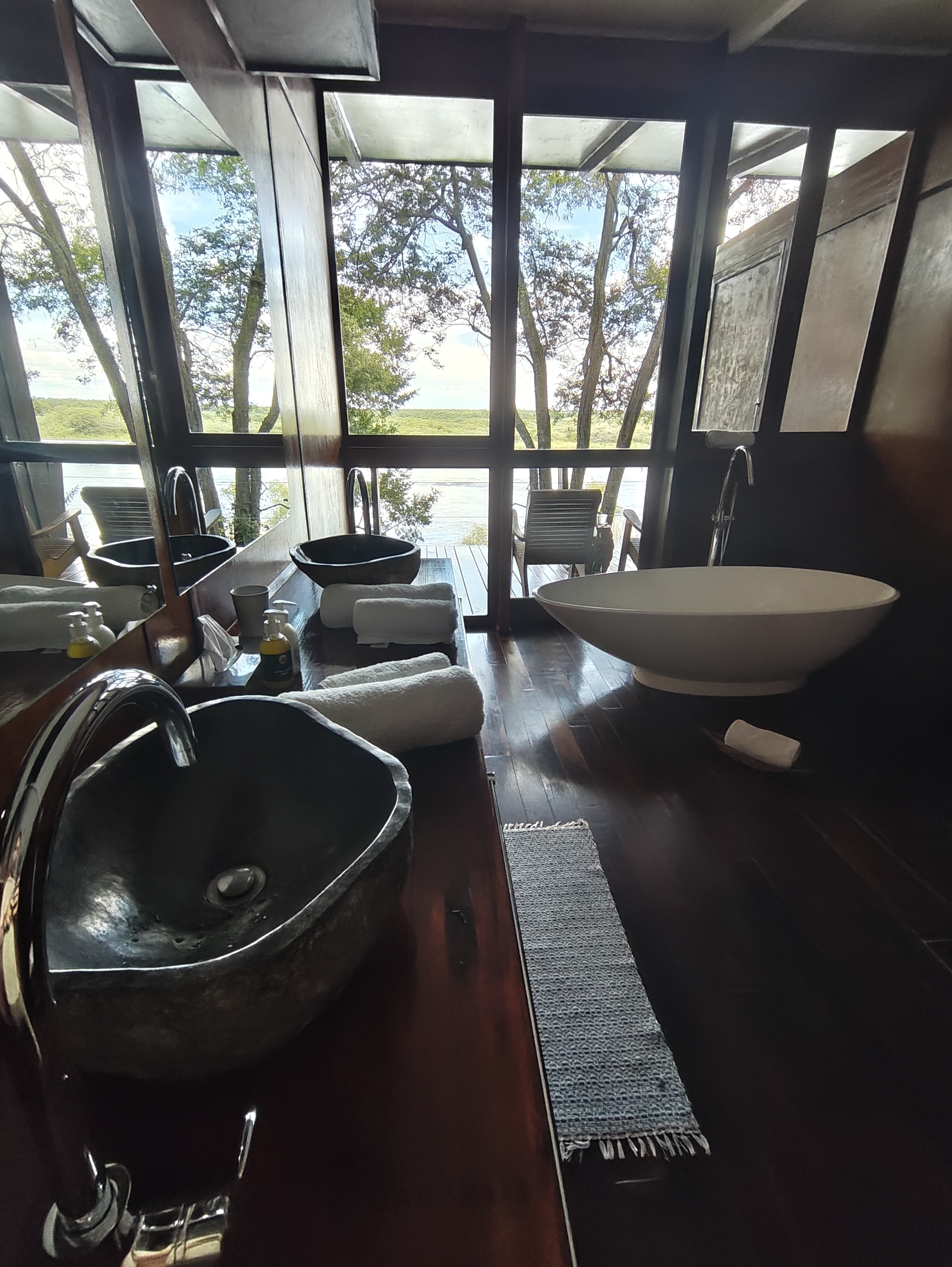
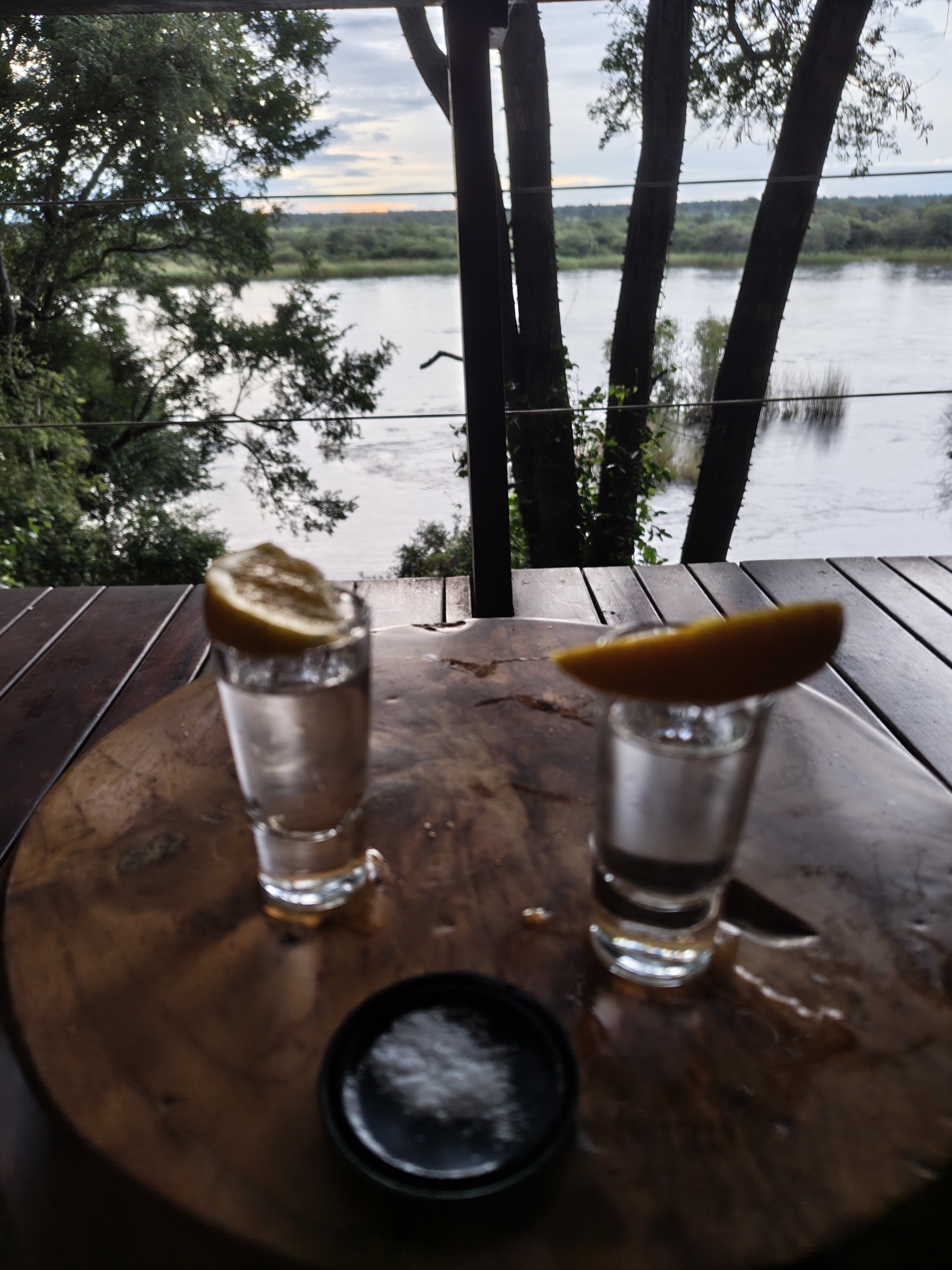
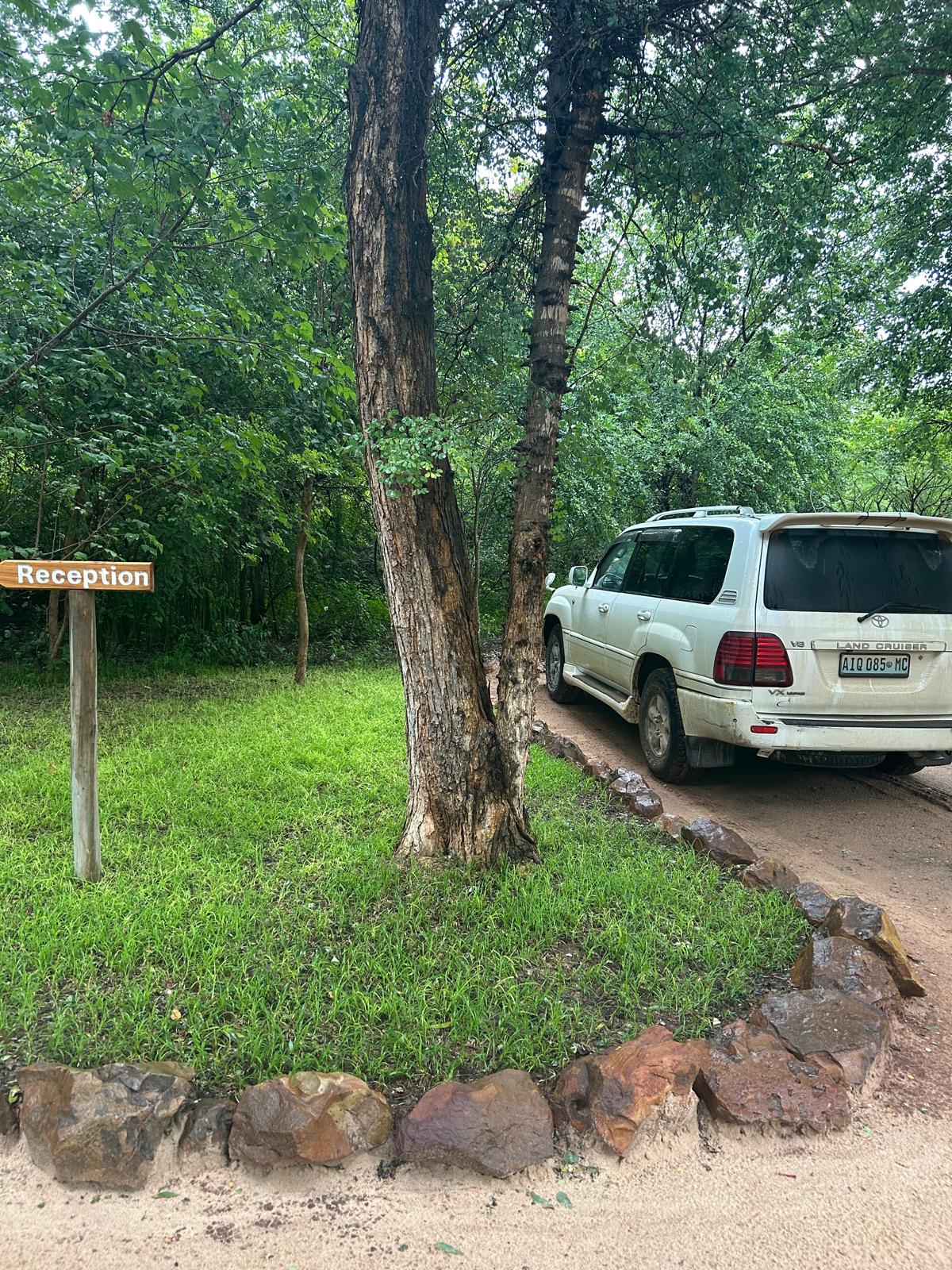
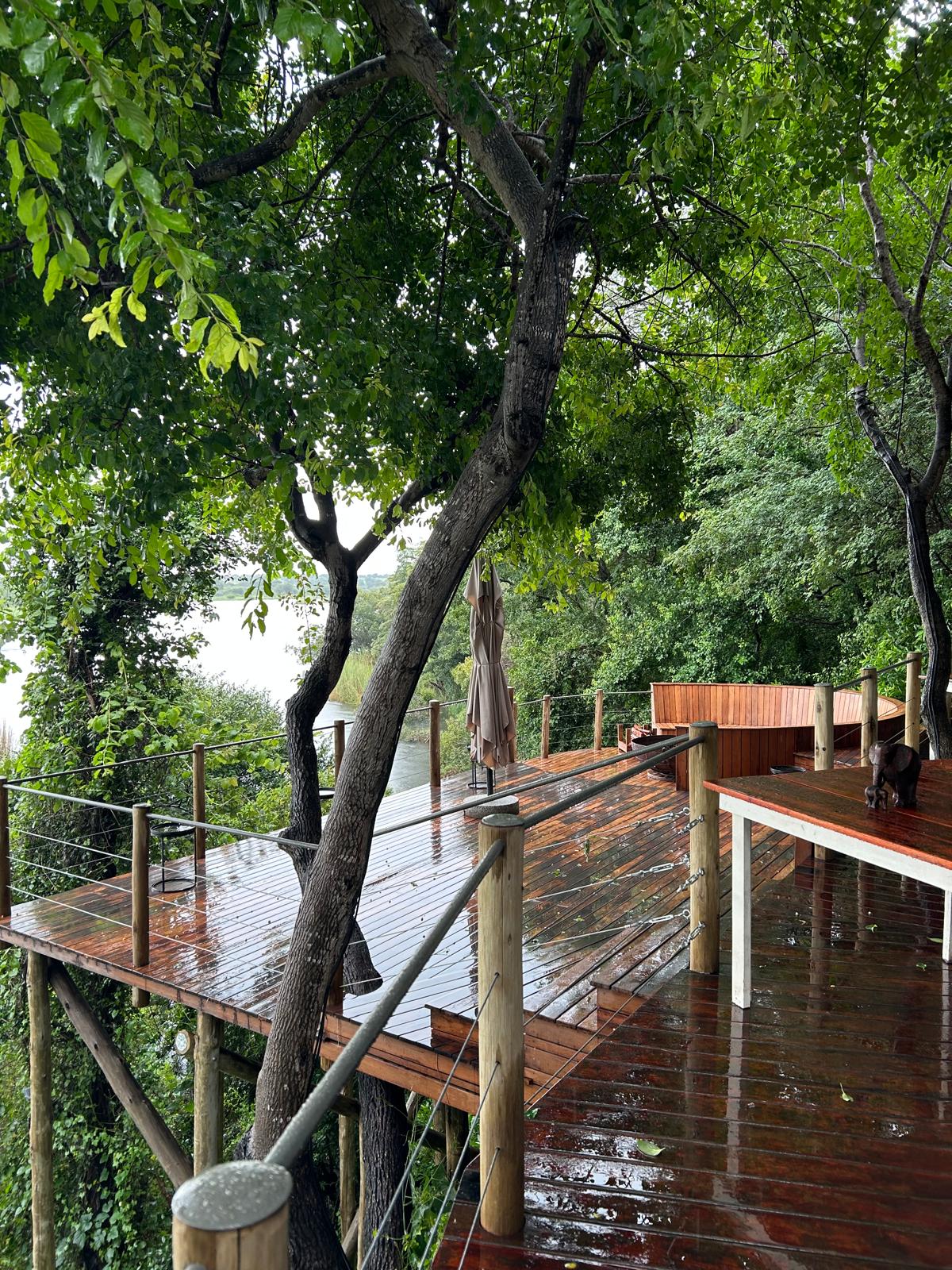
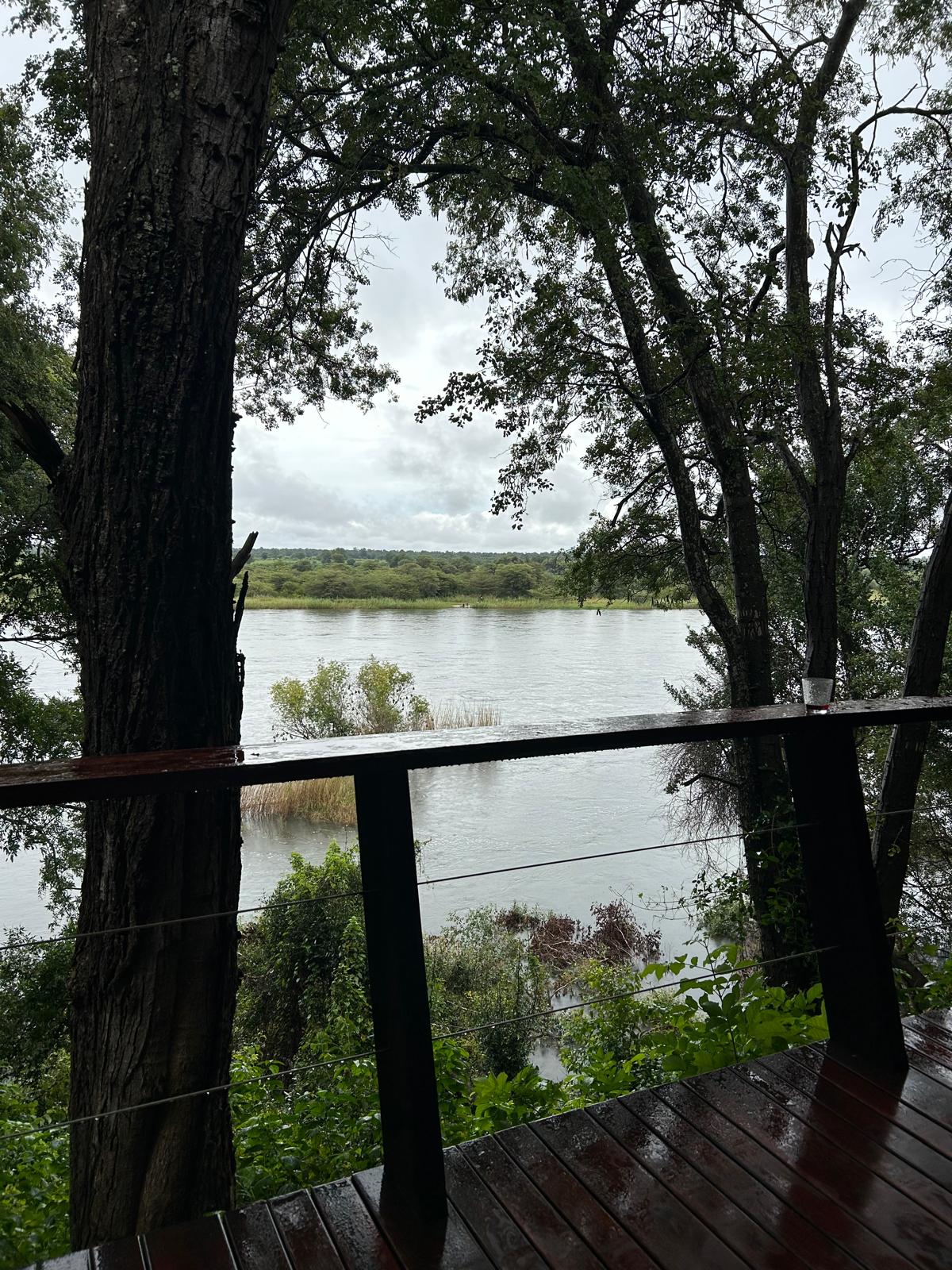
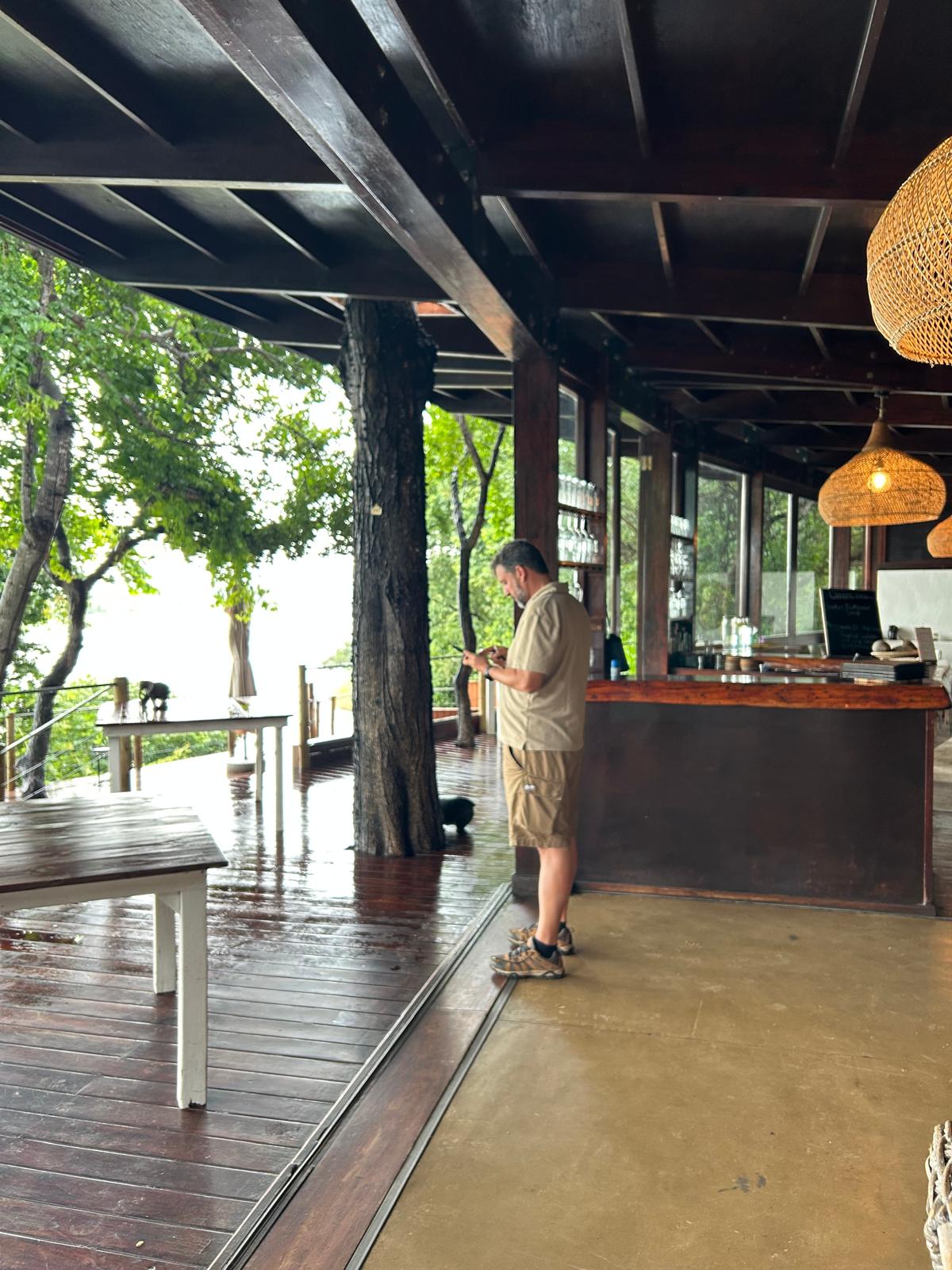
We arrived at Riverside Lodge. It started raining the moment we parked. The lodge is probably the best we've stayed at so far. Room with a direct view of the Okavango, and on the other side, Angola. The reason they hadn't been answering messages was that there was no consistent signal, only the occasional WhatsApp message getting through. "Power problem."
We decided to stay. Mahango can wait until tomorrow. It made no sense to leave.
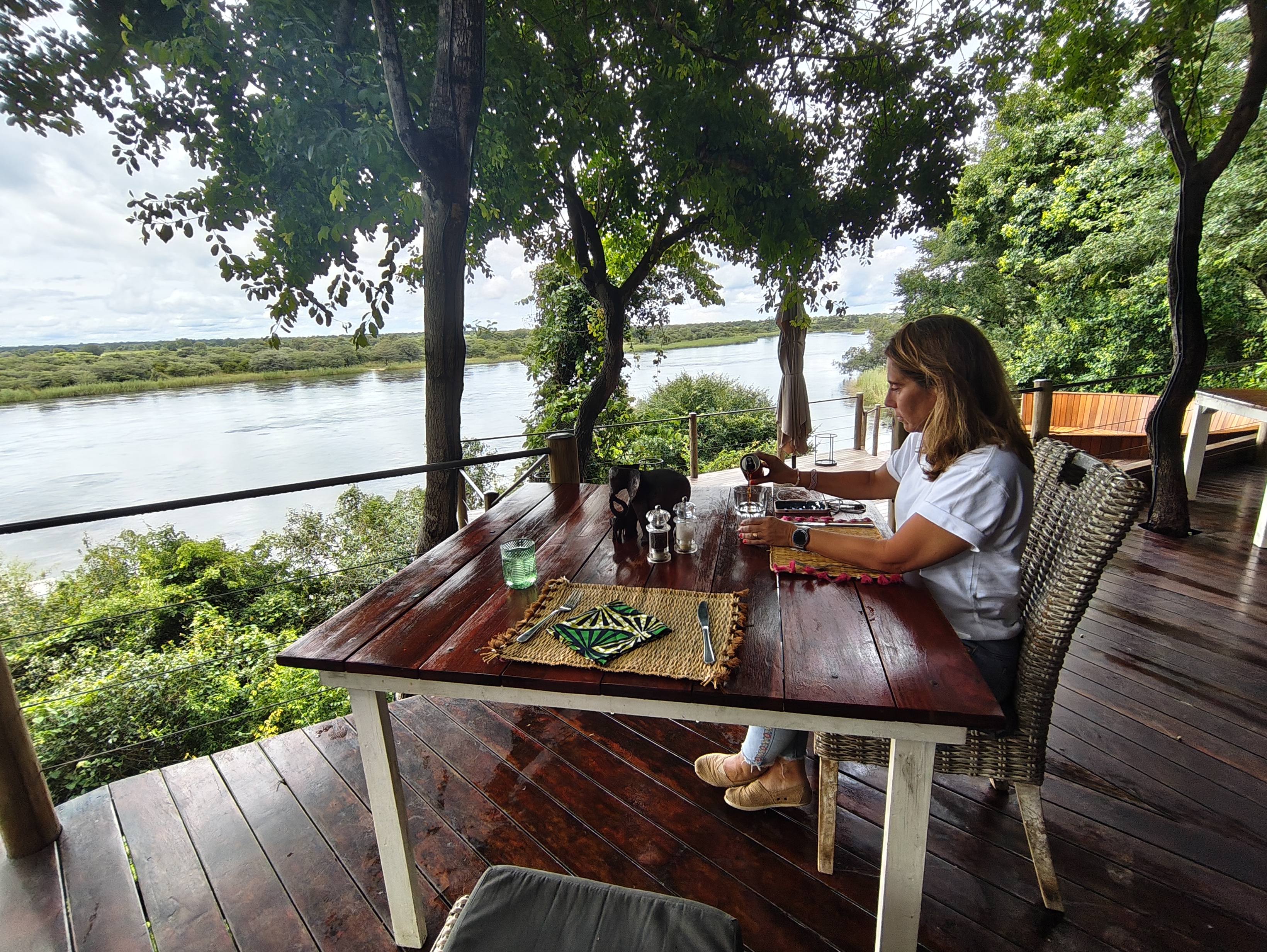
We simply sat and looked at the river. Reading. Writing. Doing nothing.
No signal. No internet. The phone changed time zone because it stopped picking up the Namibian network and started flirting with Angola. It already felt like time had stopped, and then it became even more magical when we realised that time had actually gone backwards. One hour.
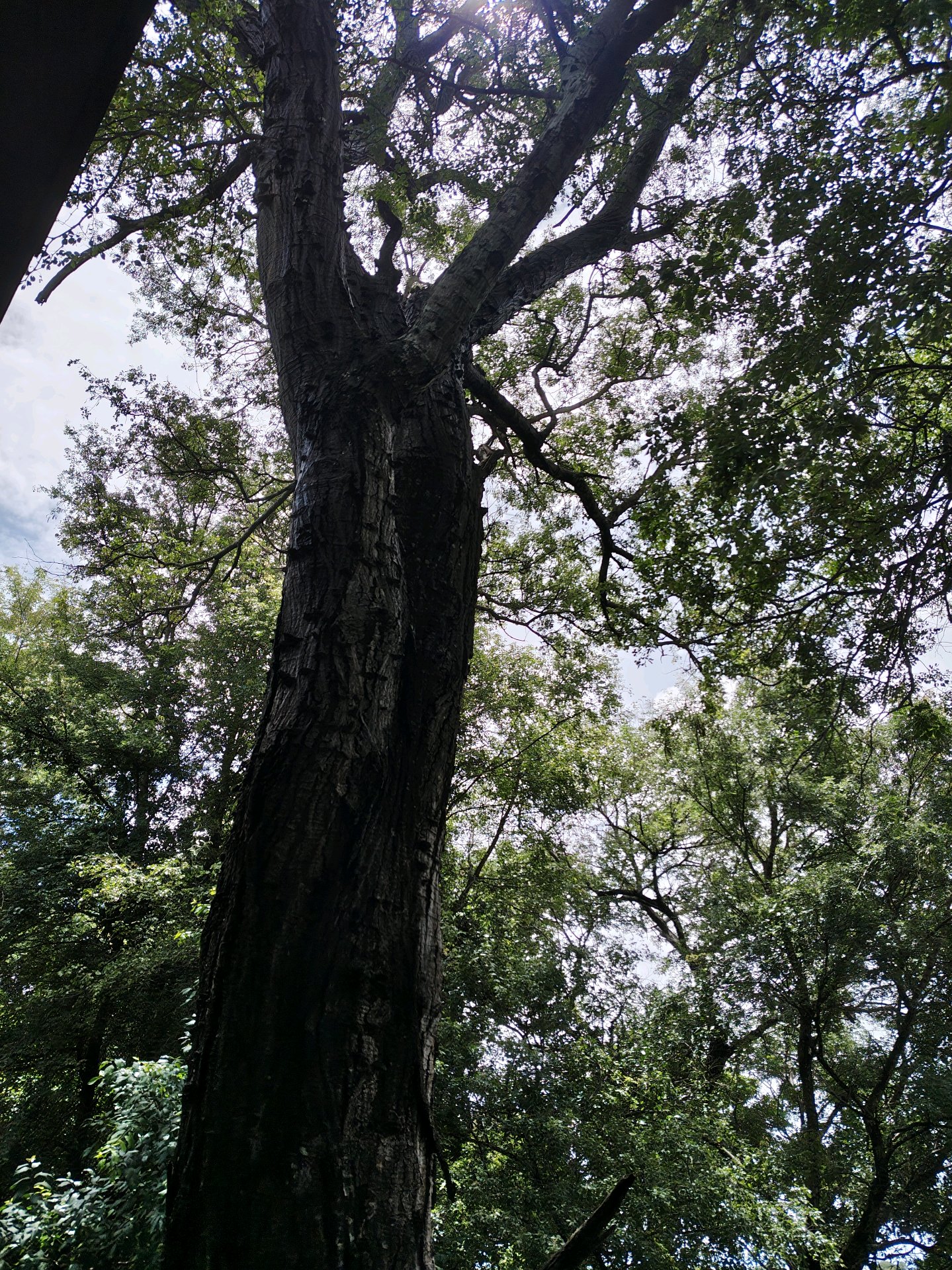
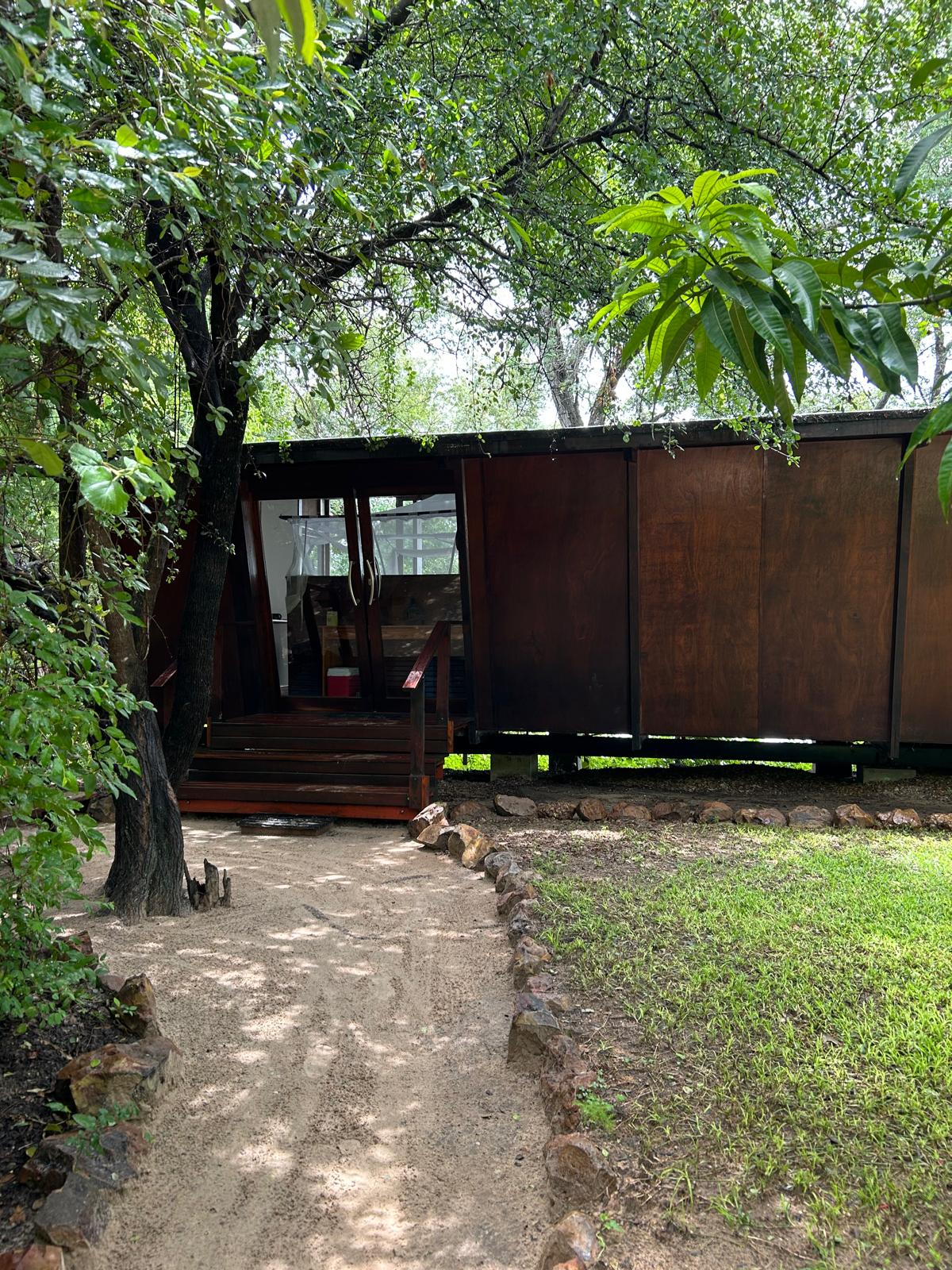
I'm always struck by how they manage to keep lodges immaculate in such remote places. This one was extraordinary, rooms tucked into the dense vegetation on the riverbank. It also had a freestanding bathtub with a view of the bush. Already becoming a Caprivi classic.
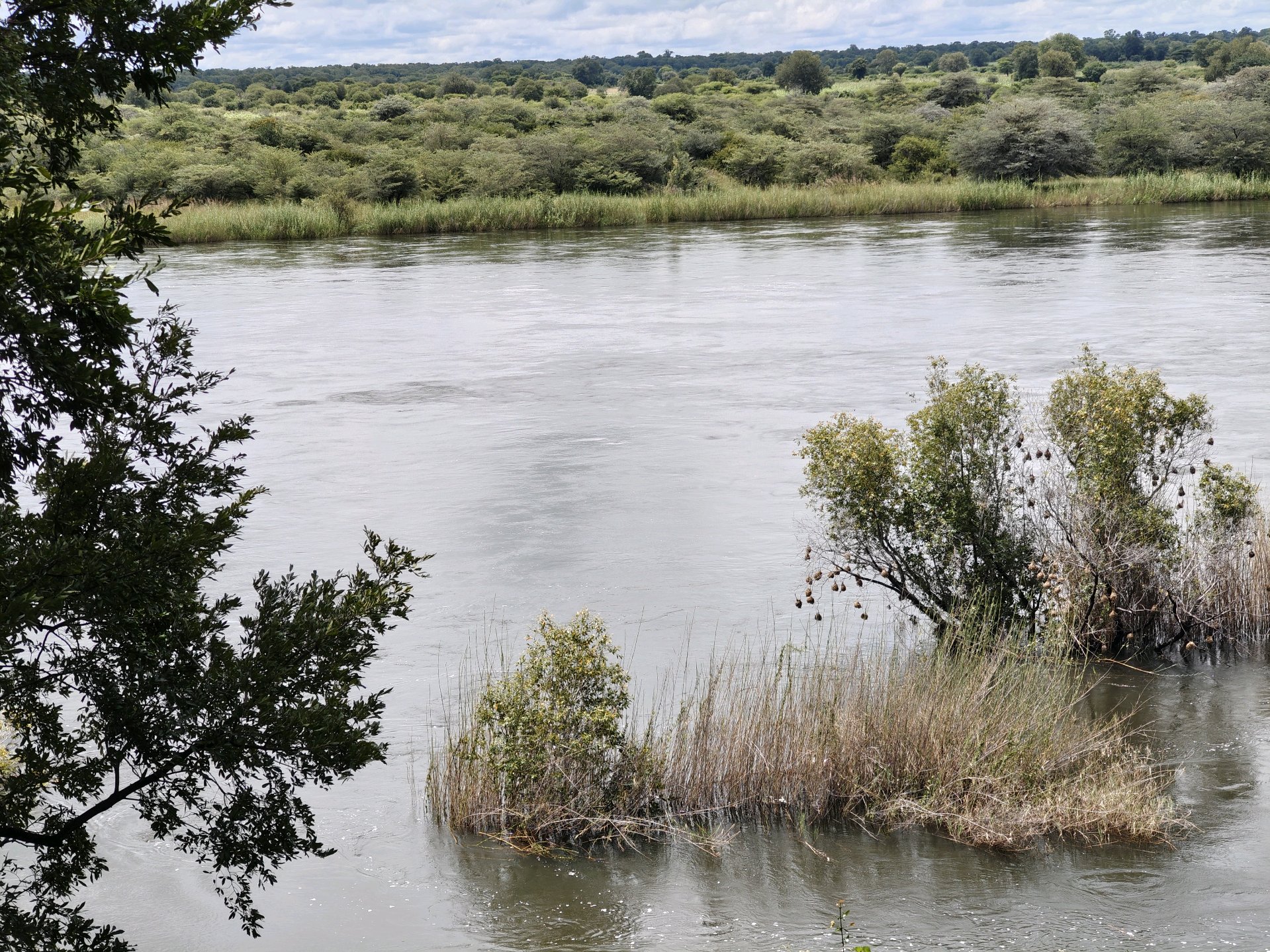
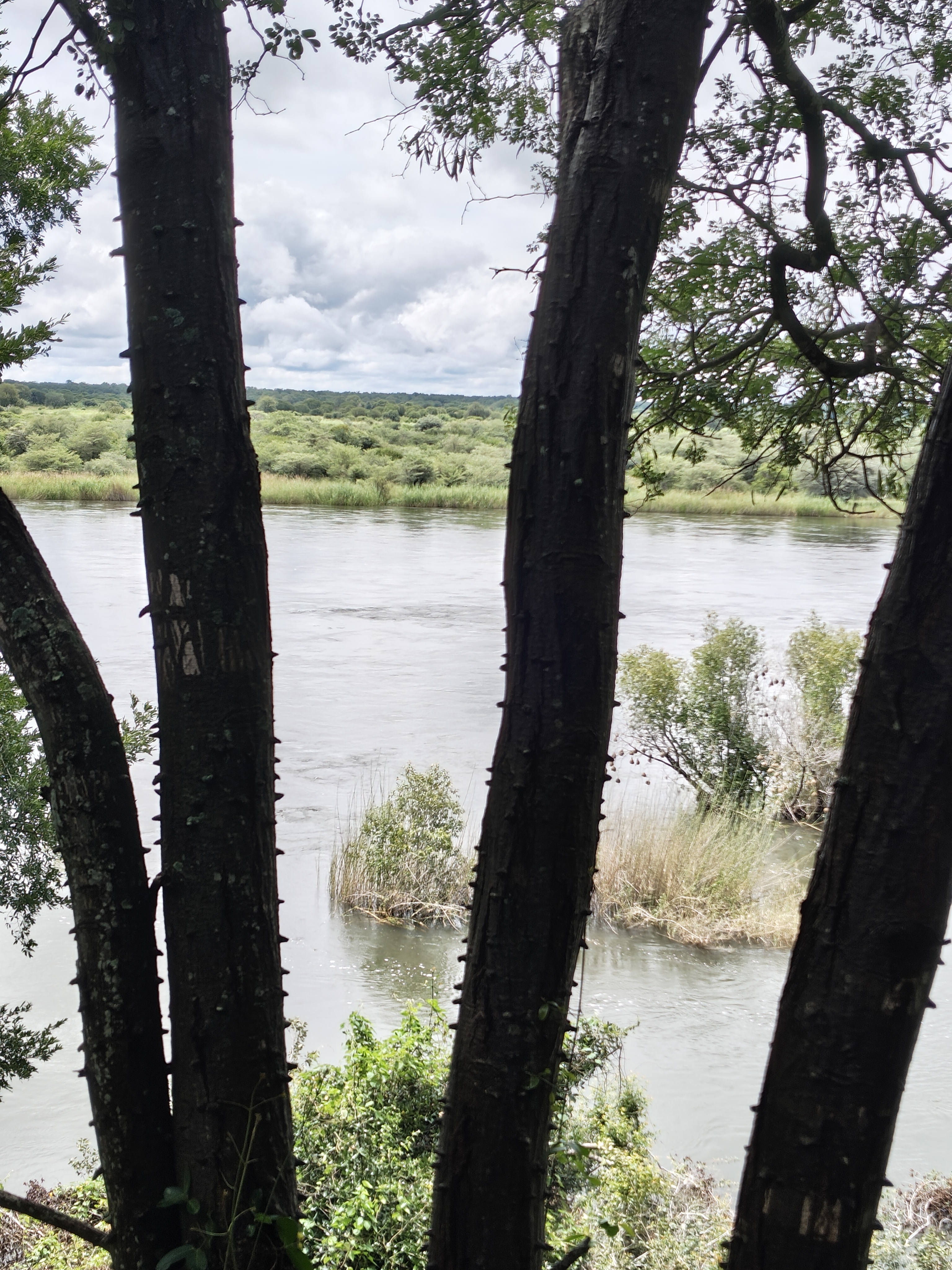
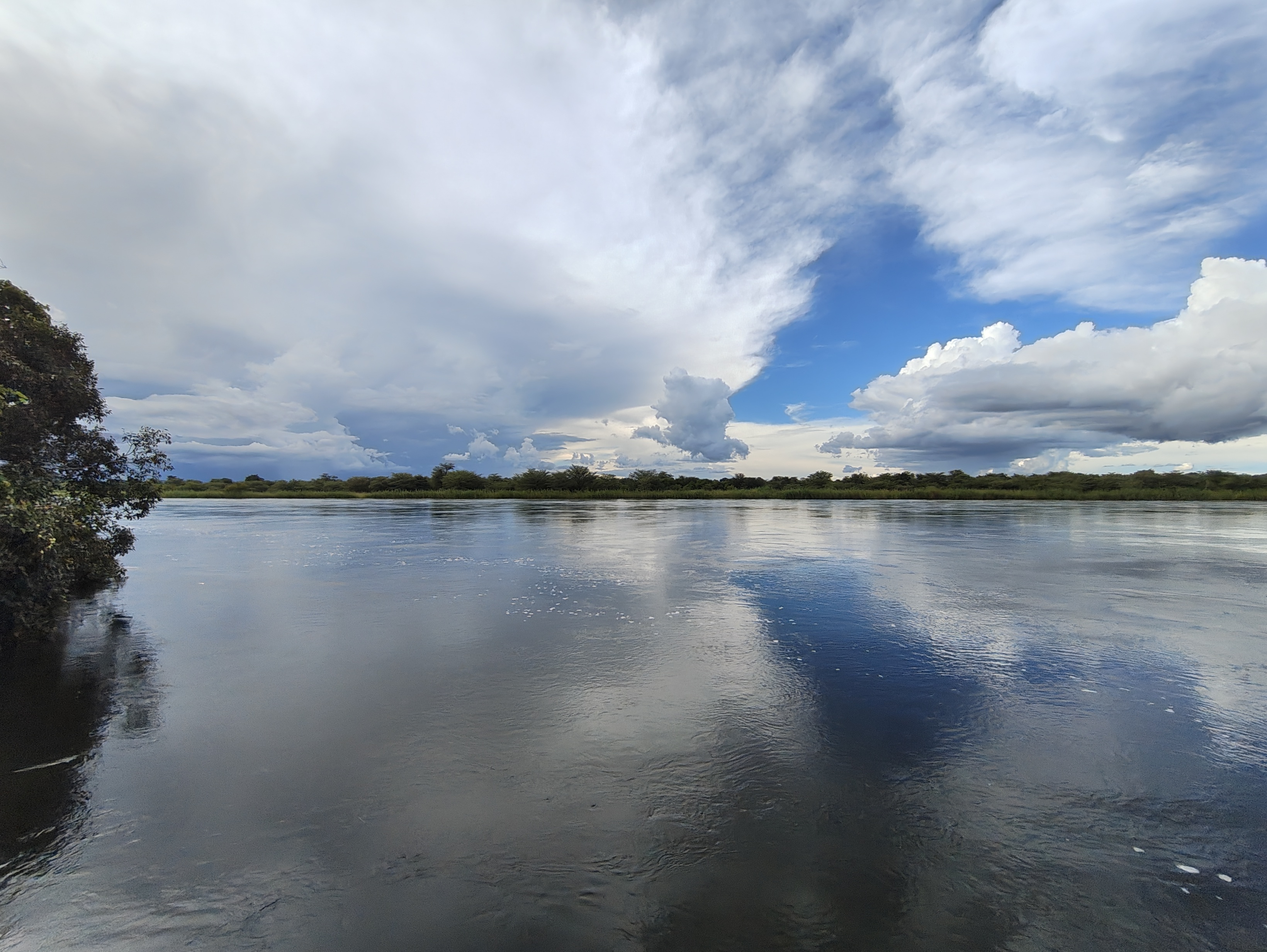
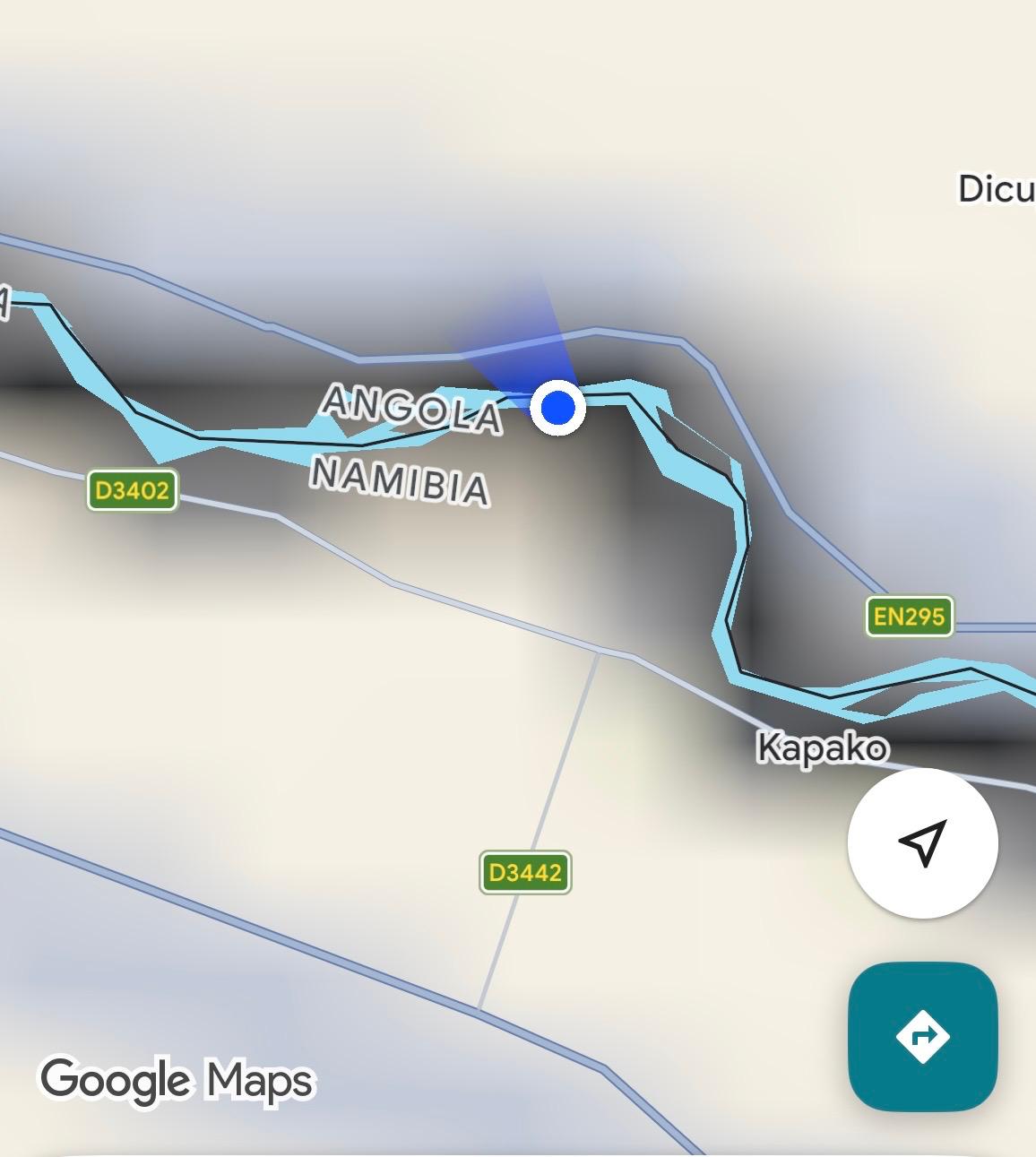
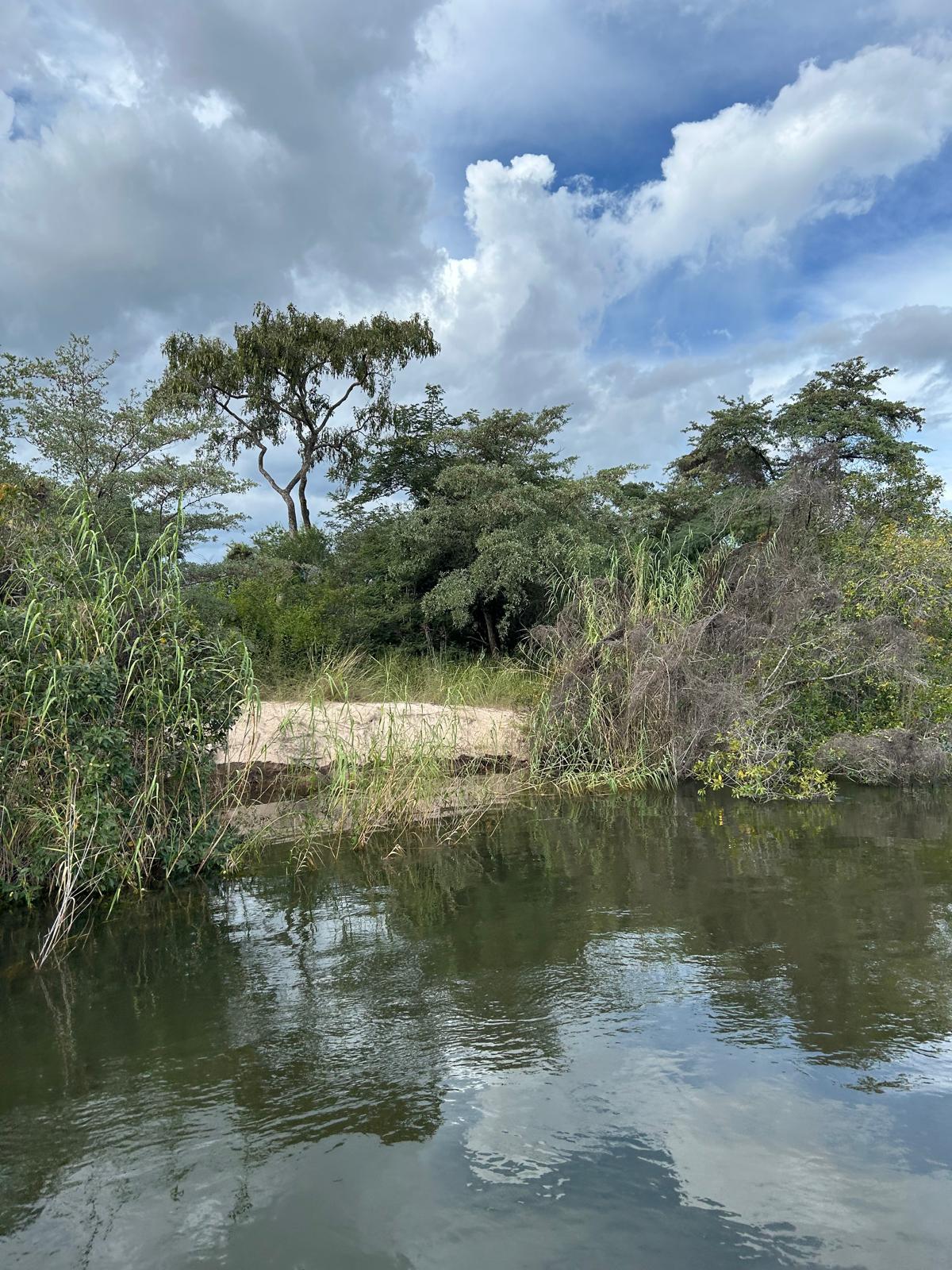
We found out we were the only guests. Absolute silence. Just rain and a veranda looking out over Angola on the far bank. On the Angolan side it's called the Cubango; in Namibia, the Kavango; once it reaches Botswana, it gains an O.
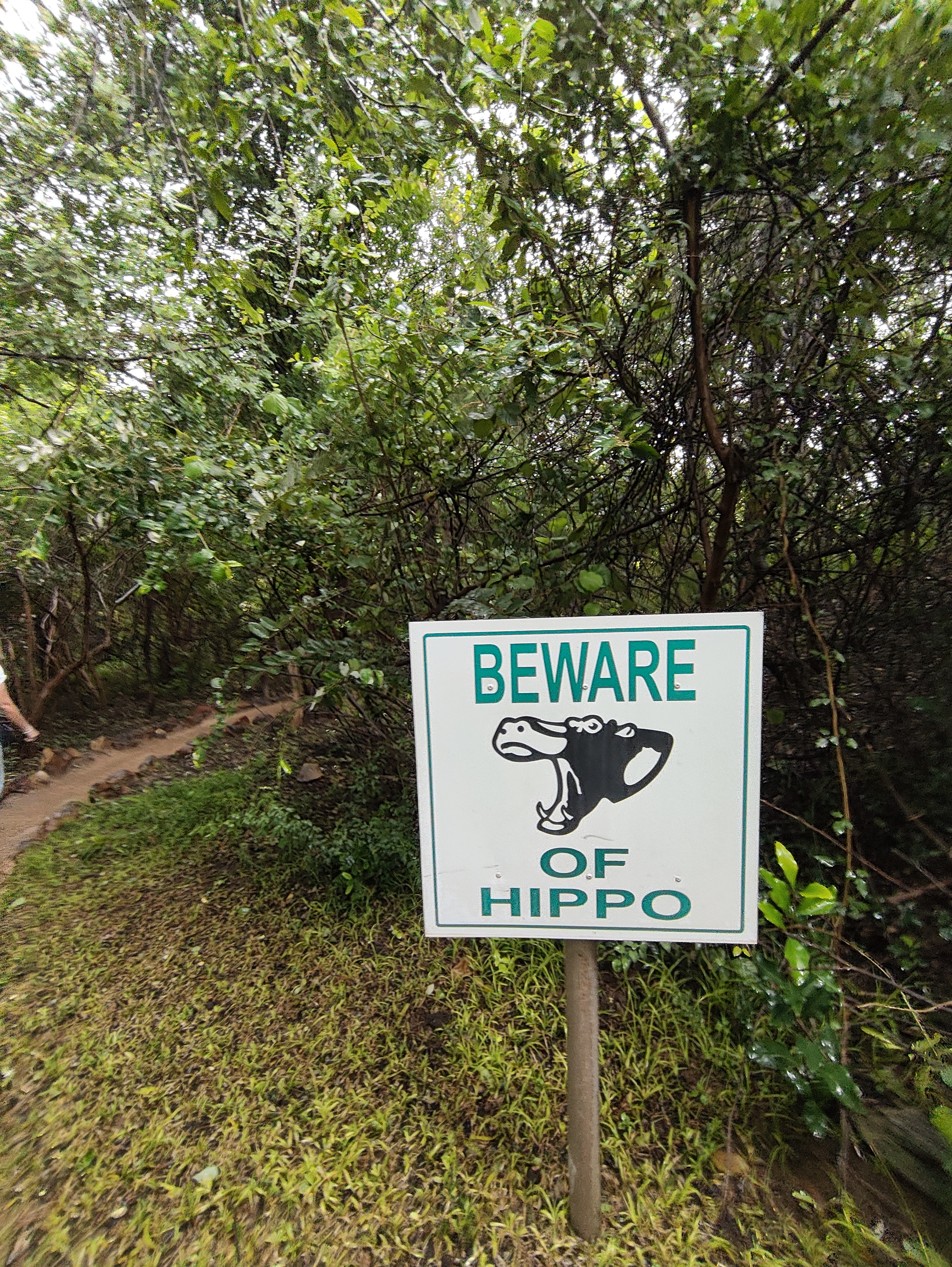
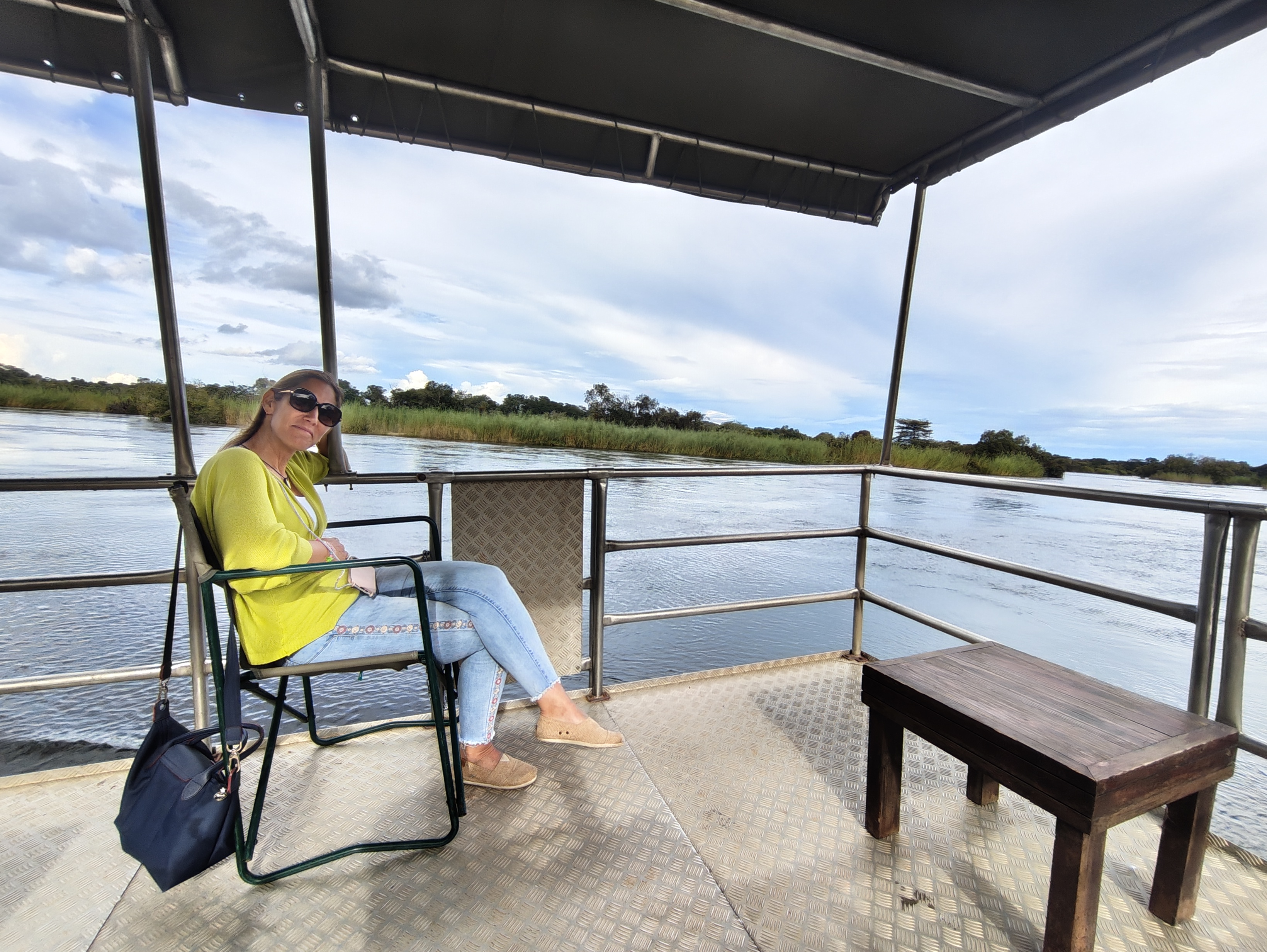
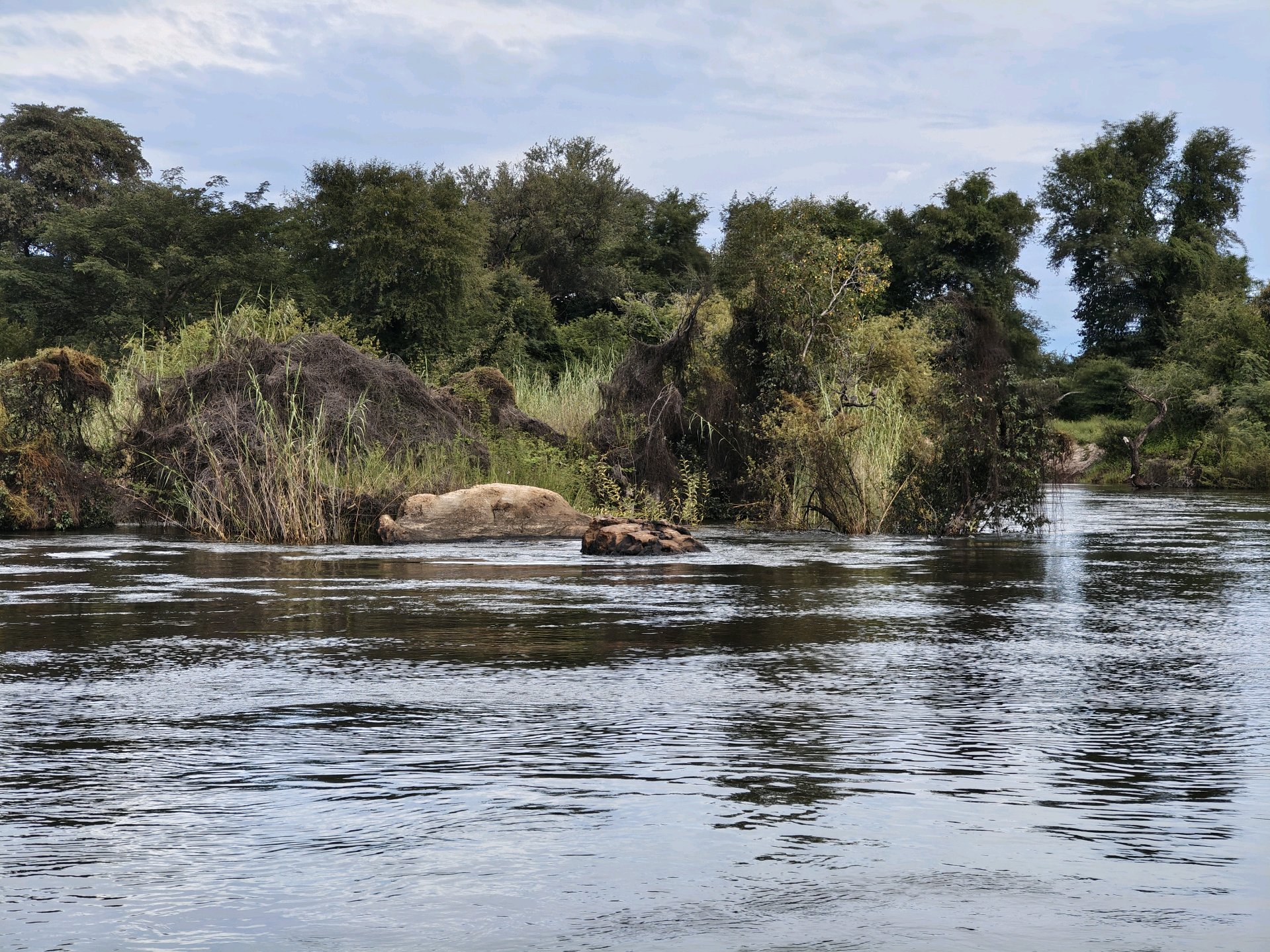
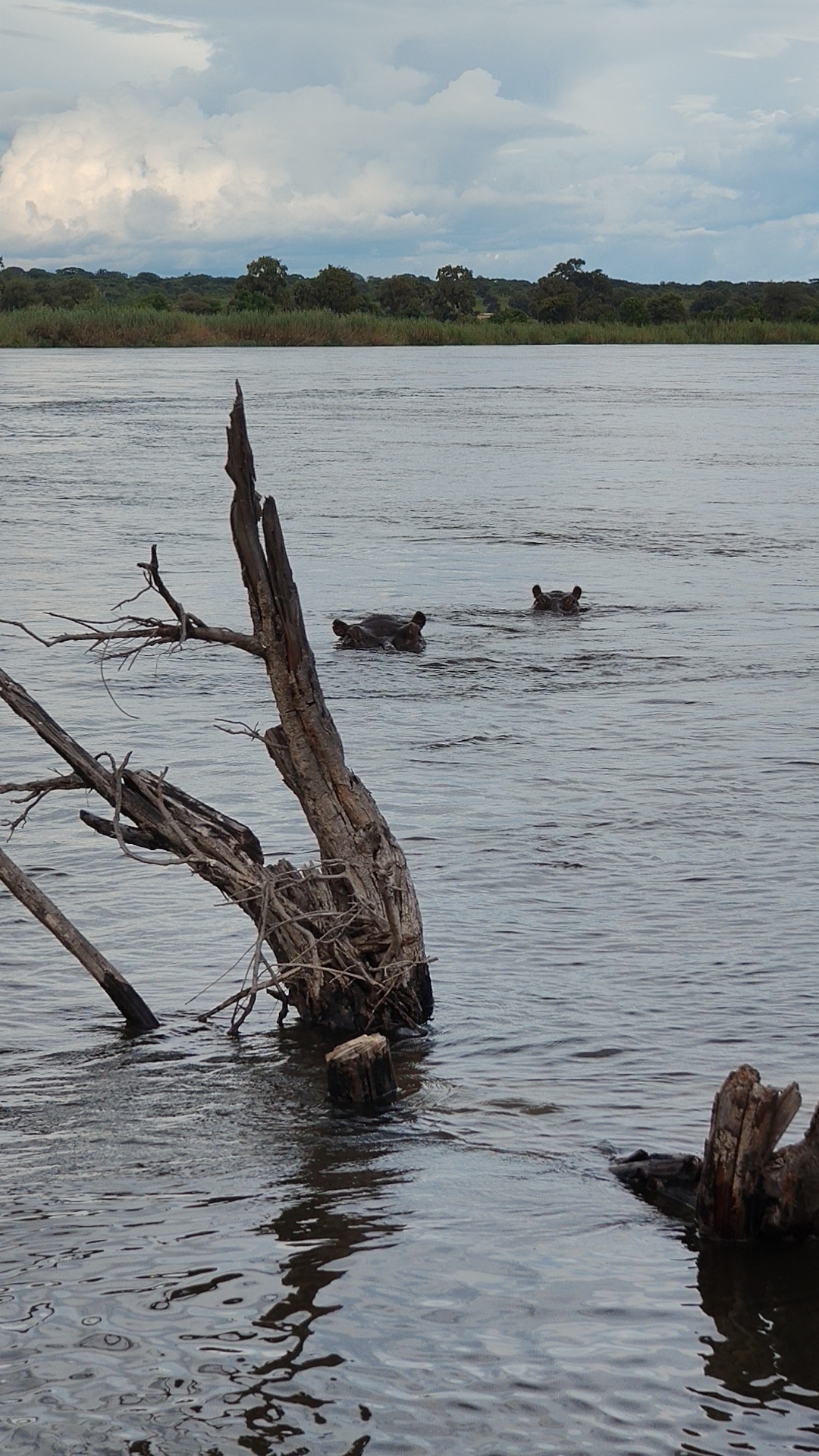
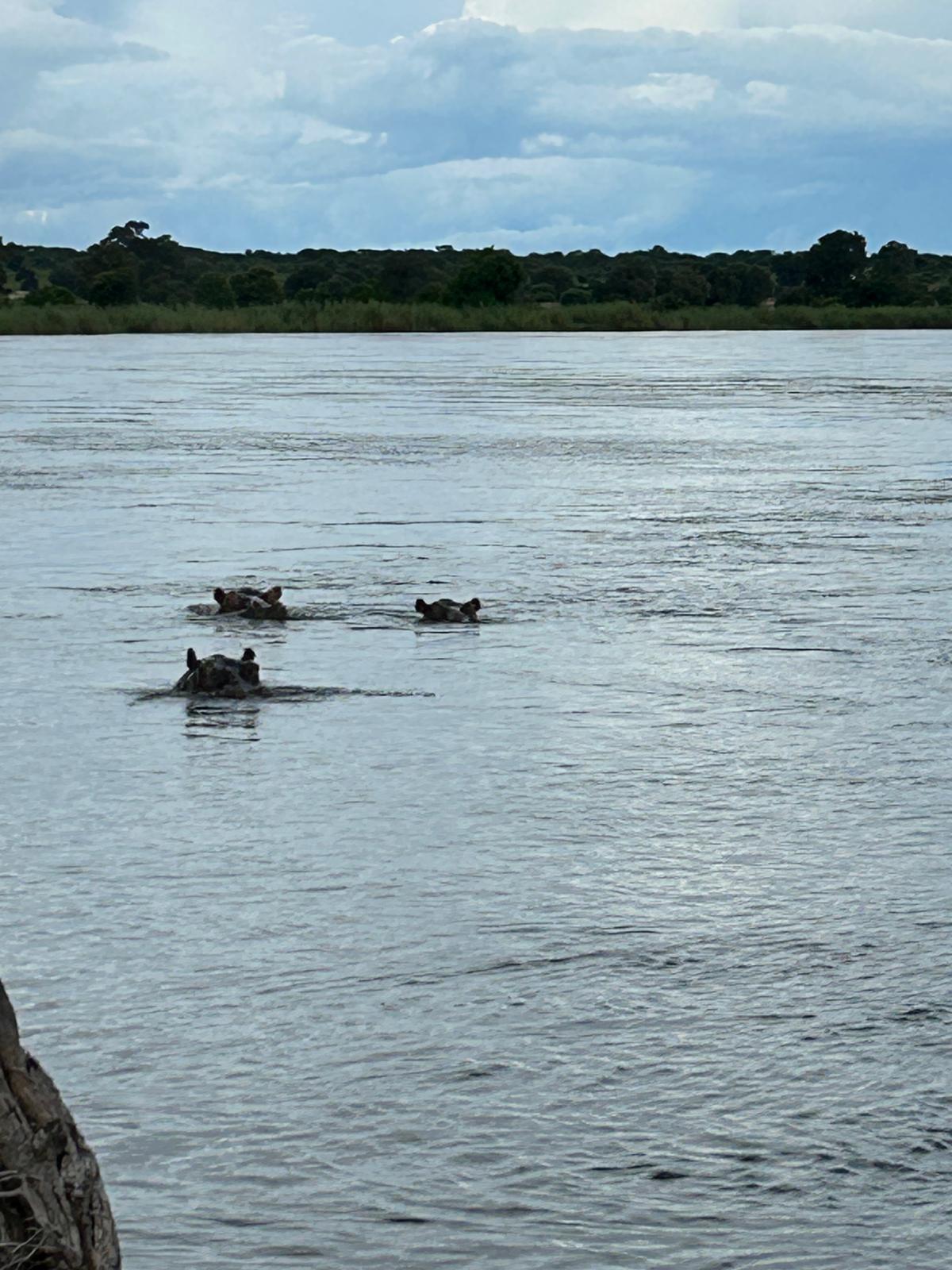
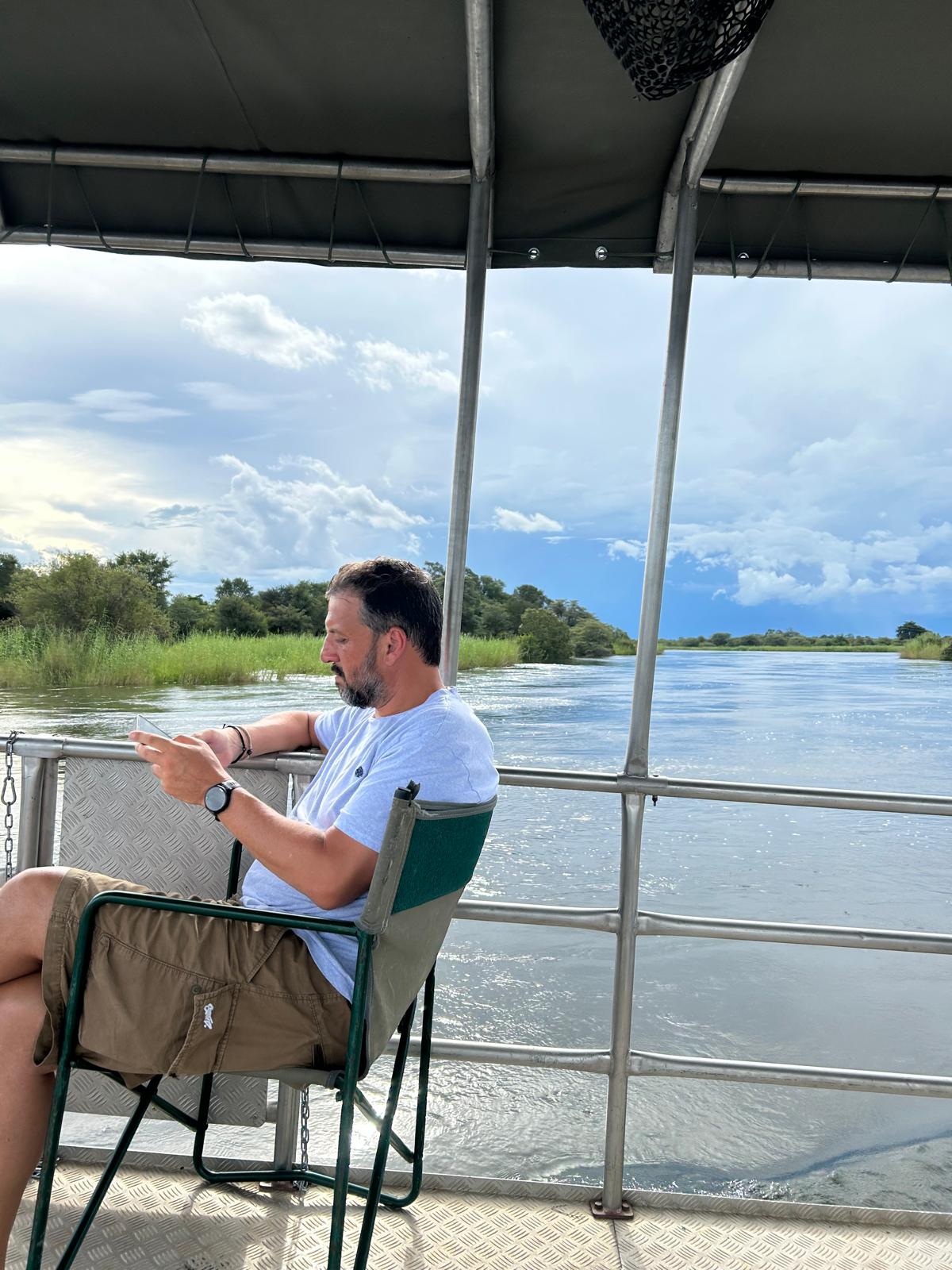
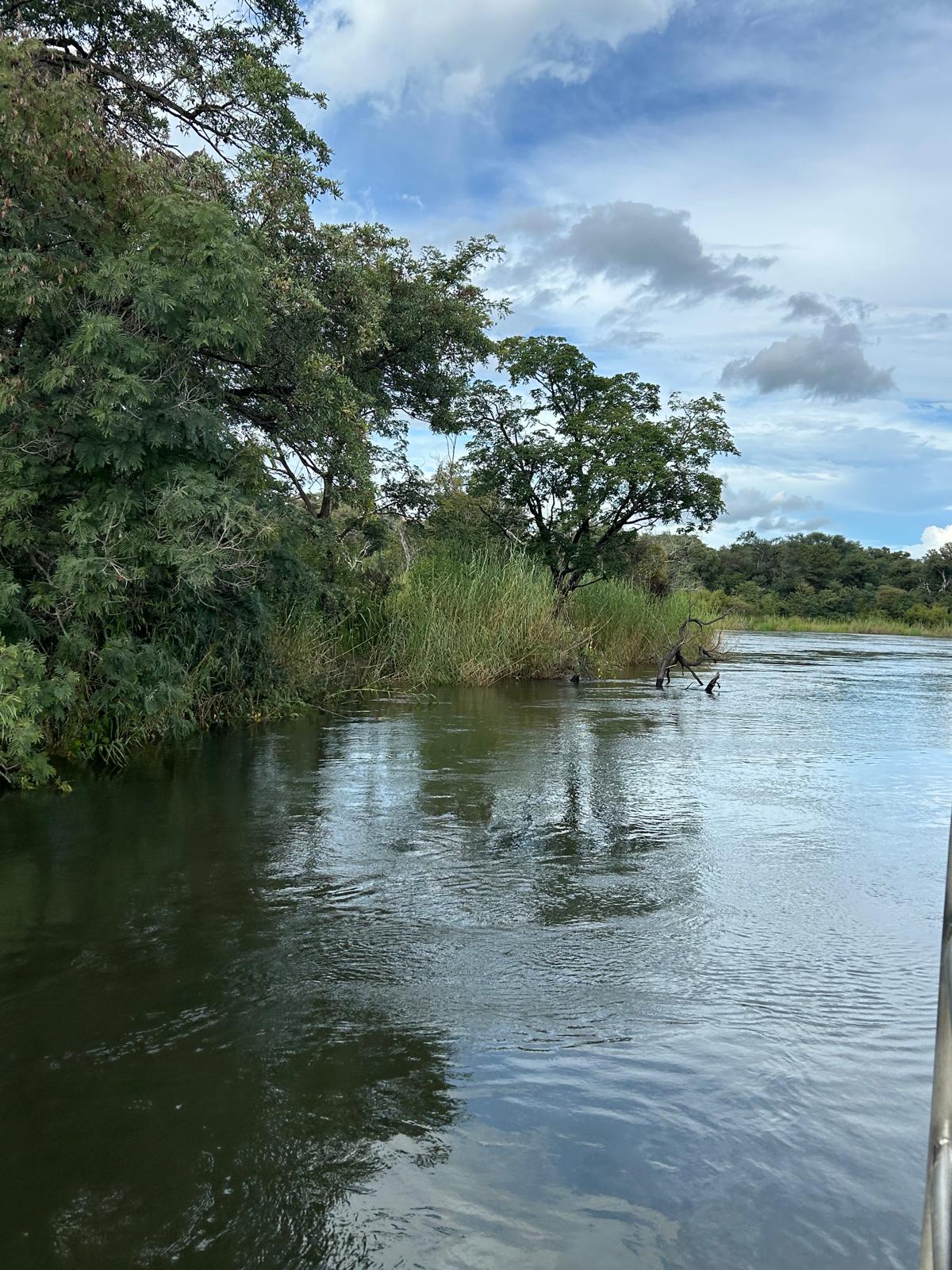
In the late afternoon we did a boat cruise. Half an hour before, the rain had stopped and the sun came out. Lucky. Hippos everywhere, that half-indifferent, half-threatening stare.
Osten, the captain of the boat, told us about the growing conflict between people and animals. Elephants increasing in number, farmland expanding. Space shrinking. When nature recovers, the balance is never simple.
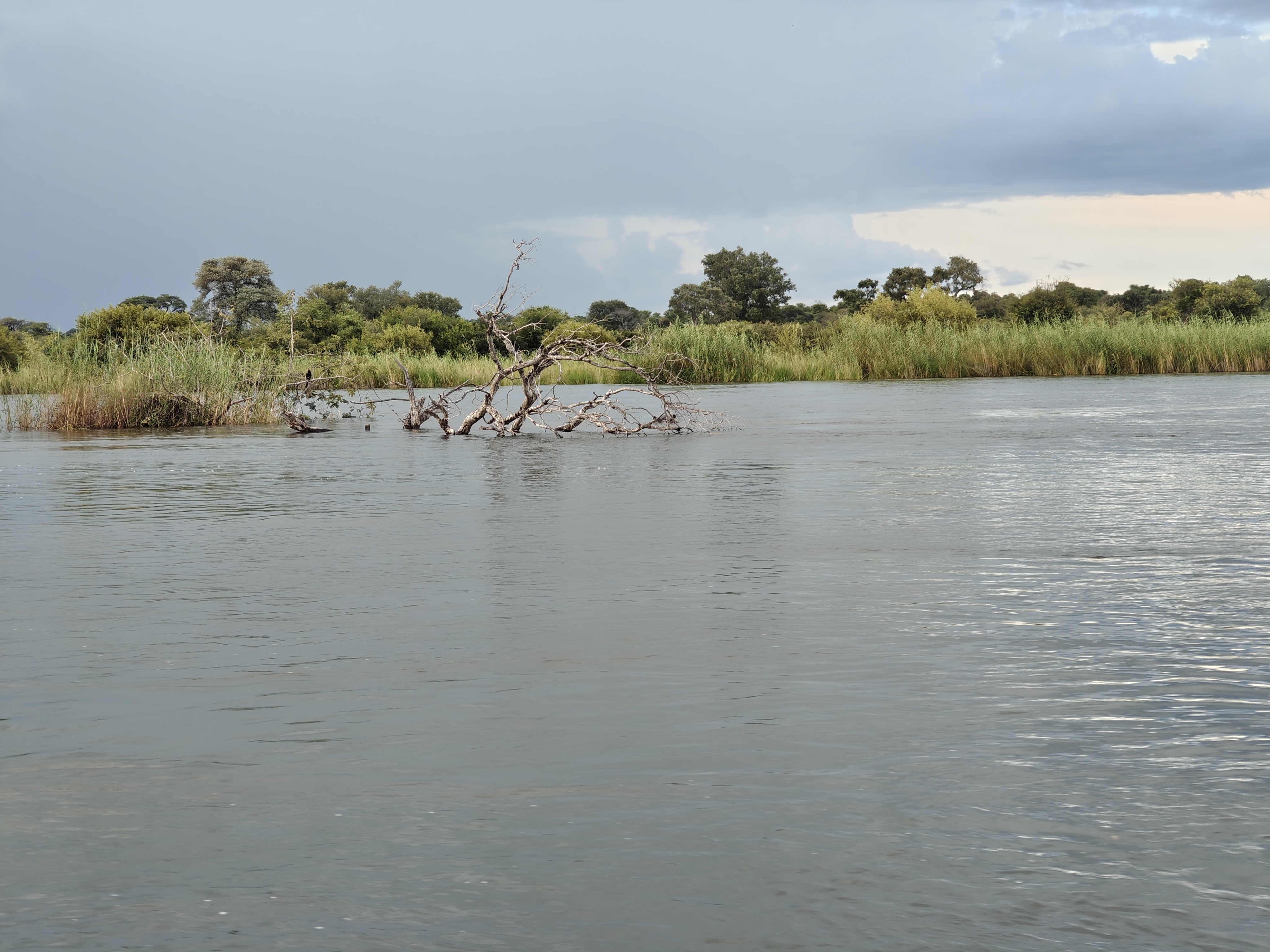
The Okavango here is not the tourist delta of Botswana. Here it's a river, a border, and a coexistence between wildlife and people.
Whenever he could, Osten would cut the engine and we'd drift in silence, carried by the current. I was grateful.
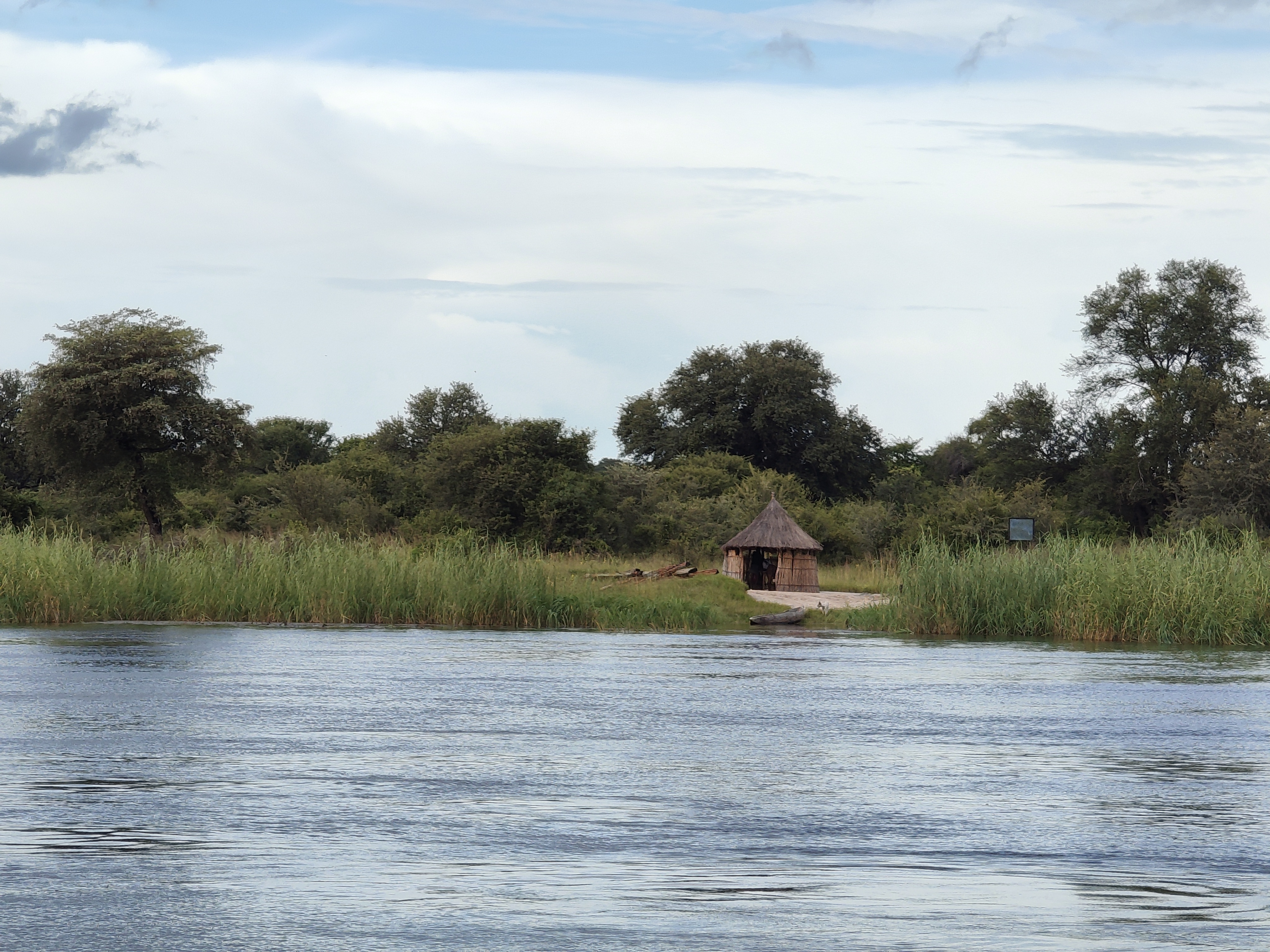
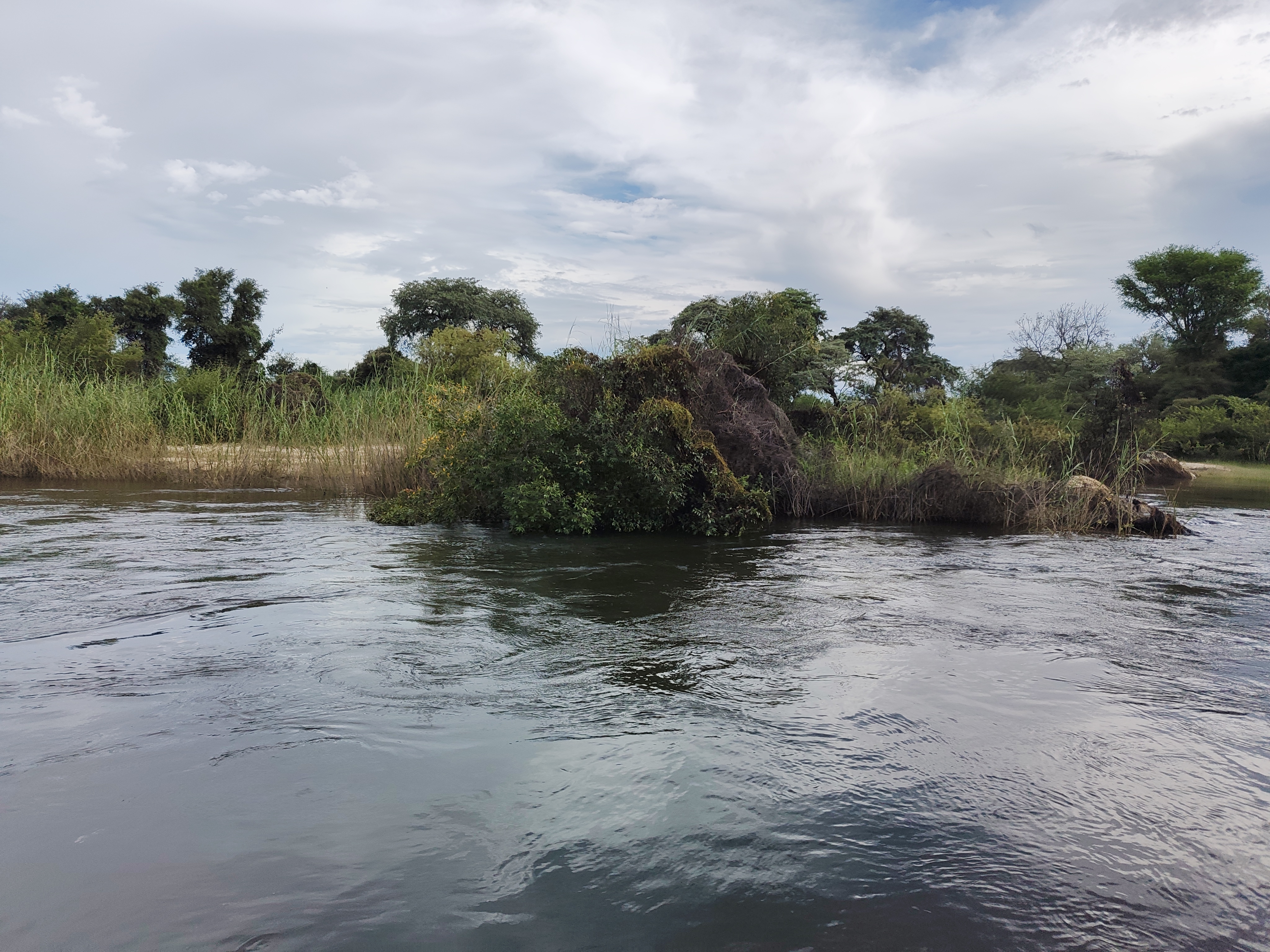
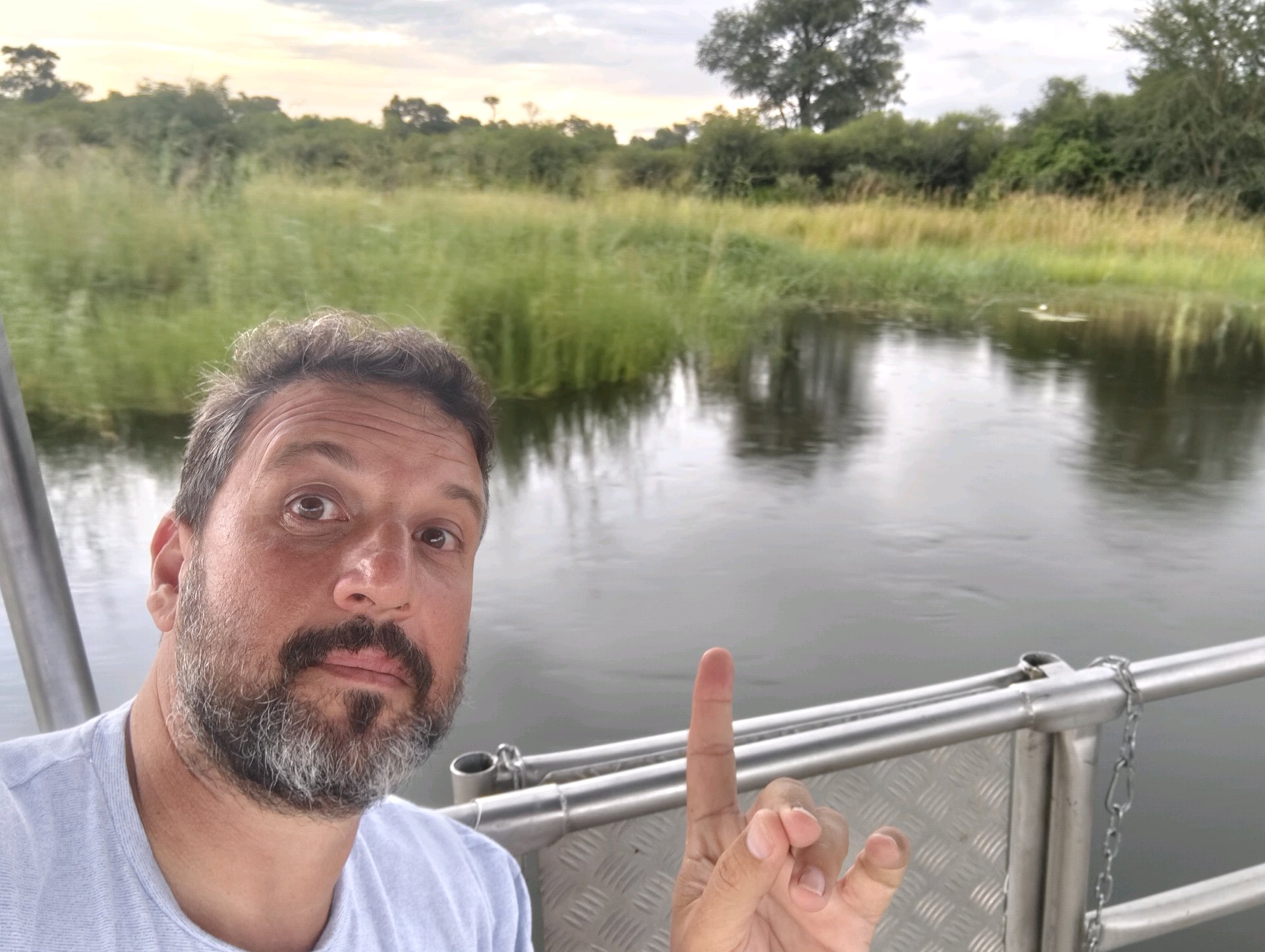
And yes, technically we went to Angola. No visa. All it took was drifting slightly across the channel and brushing against some reeds that spoke Portuguese.
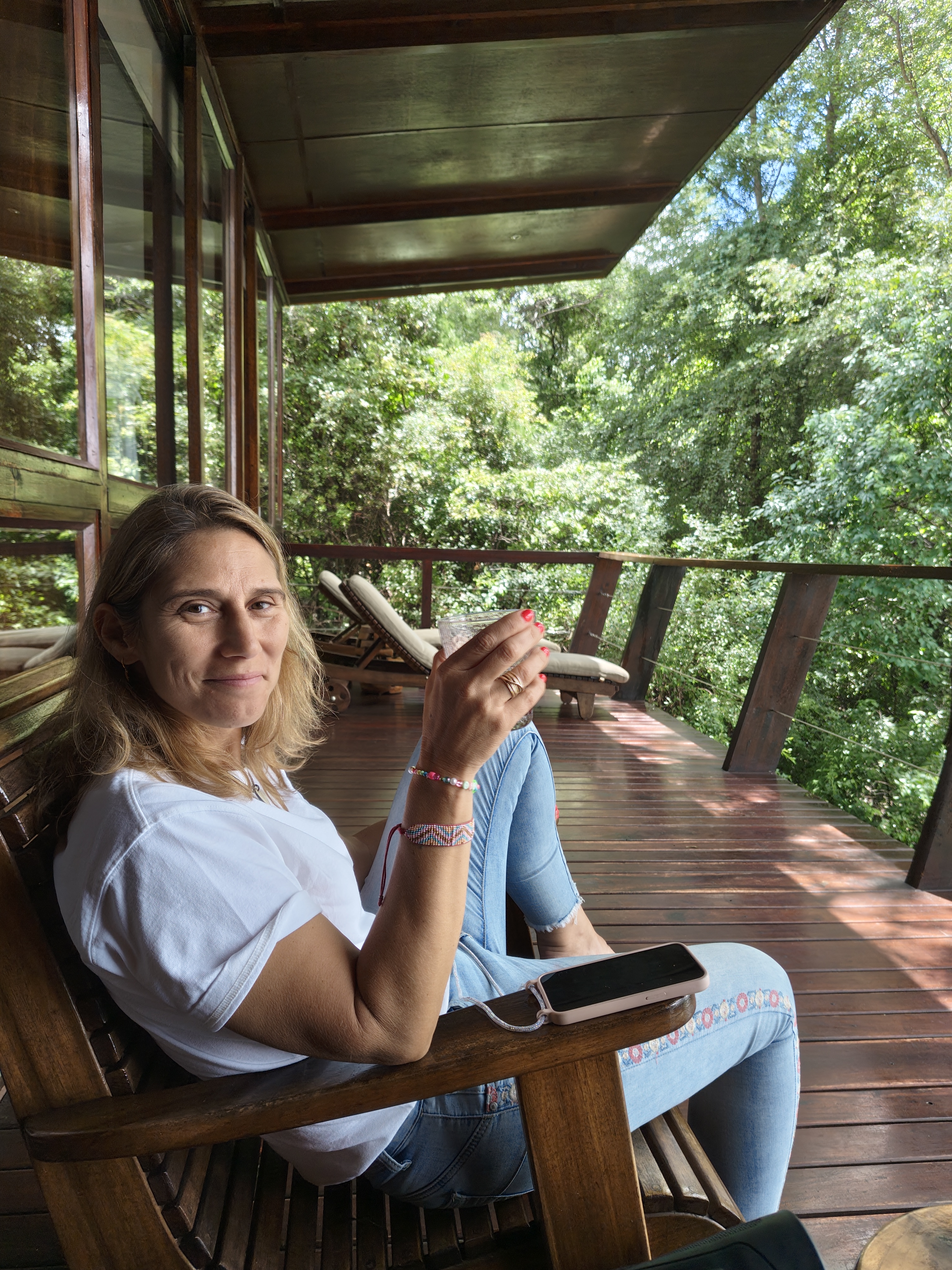
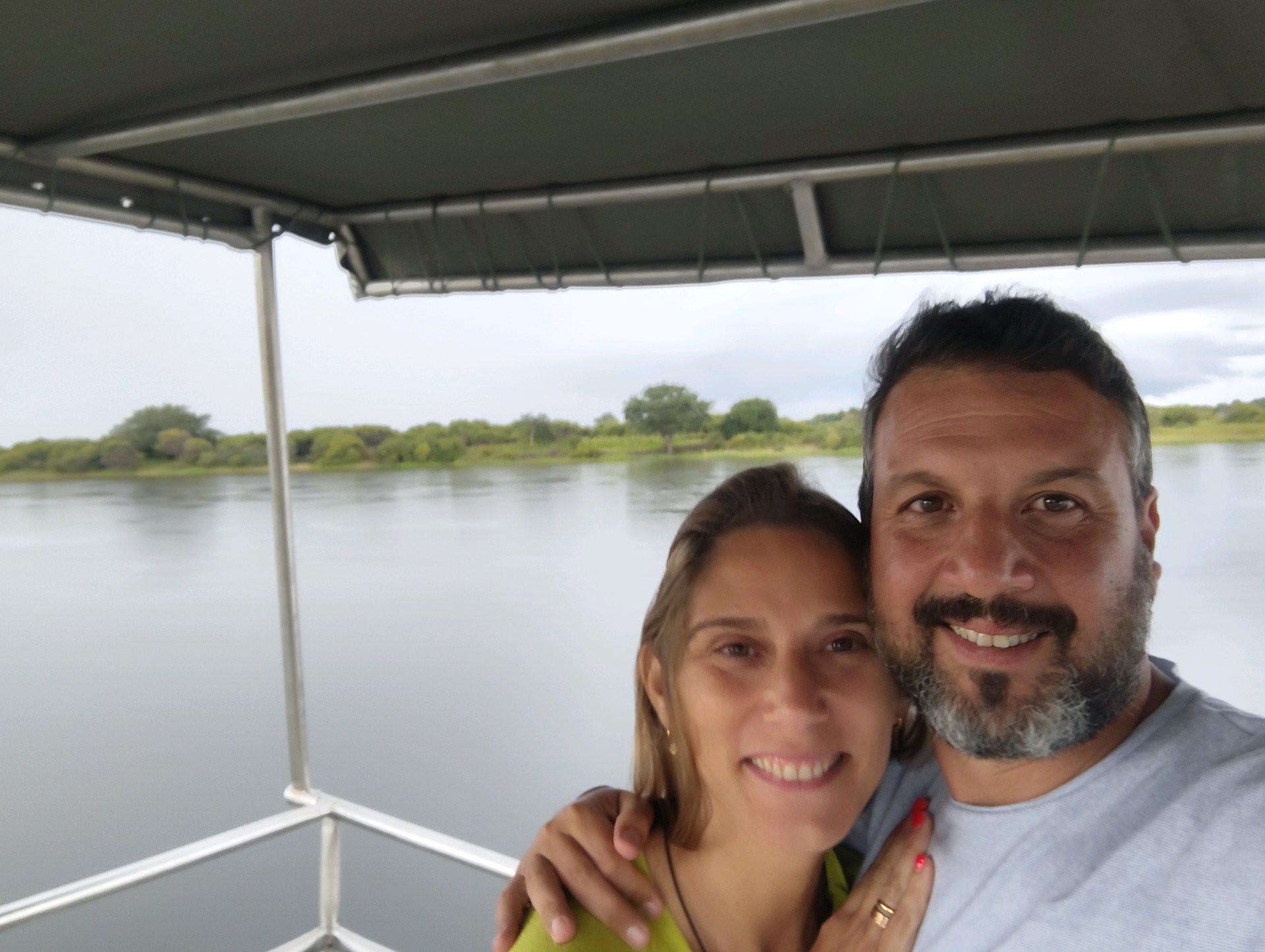
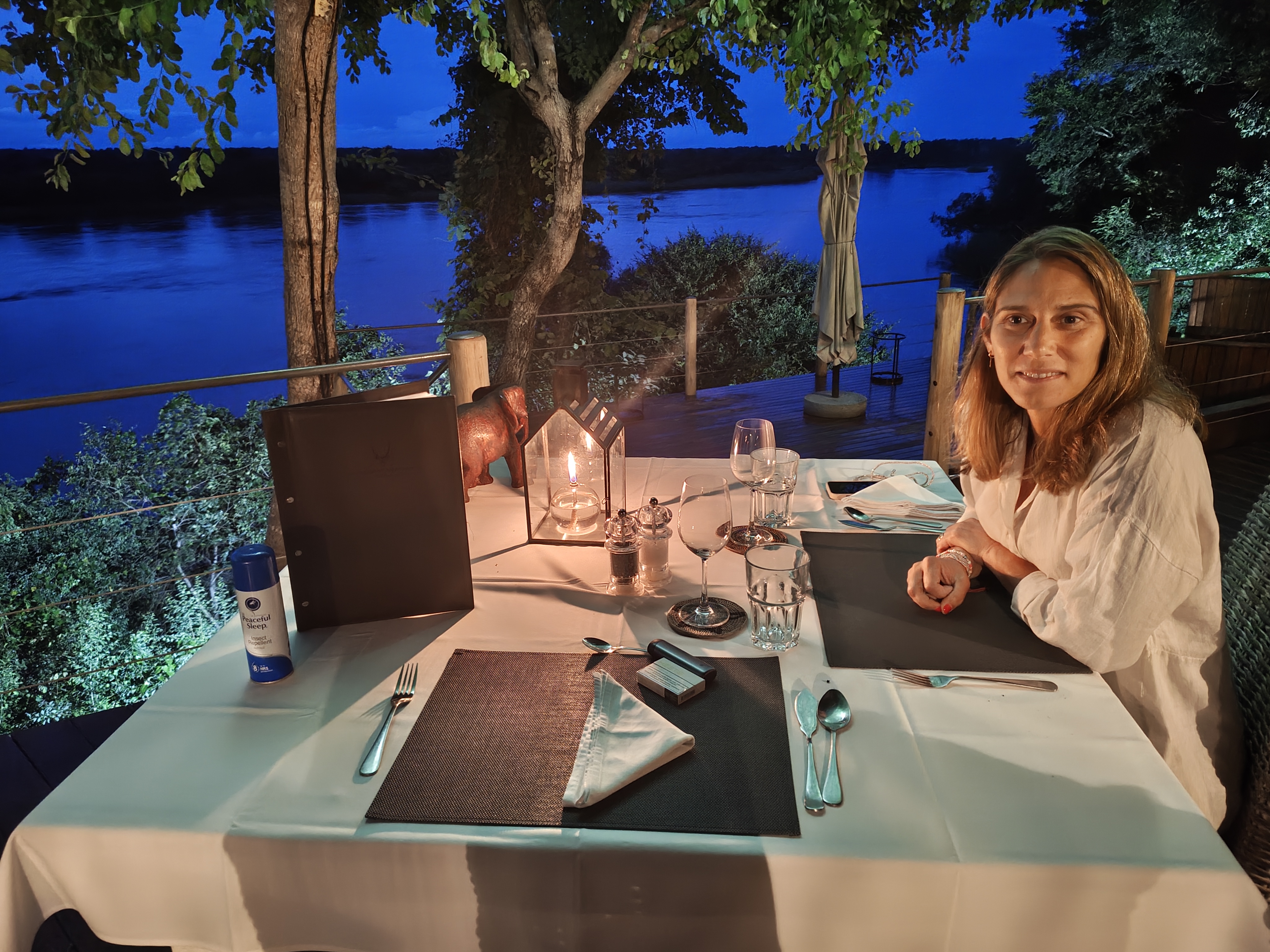
At dinner, by candlelight, we said we were celebrating our wedding anniversary. It's not true. It's 30 years of being together, give or take a day.
And nothing more is needed than this: a little rain, a shelter, a river, silence, and someone by your side for three decades.
A estrada hoje começou a ficar mais verde à medida que entrámos no Caprivi.
A primeira paragem foi, como habitualmente, para abastecer. Fomos atendidos em português: "Bom dia, sou o Paulo", era angolano. "Aqui Paula e Fernando." "Oh, minha xará!" exclamou, estendendo a mão e abrindo um sorriso. "São primos de onde?", perante a nossa hesitação acrescentou, "De Angola? Portugal? Moçambique?" Lembrei-me do Agostinho da Silva, que dizia que a sua pátria era a língua portuguesa.
Deixámos o Paulo depois de dois dedos de conversa que foram três ou quatro, na verdade, porque o depósito é grande e o multibanco não funcionava, "problema de energia" —, e arrancámos com a Paula ao volante para eu ir a escrever.
Parámos num fiscal de linha (acho que já expliquei o conceito, apanhámos vários na África do Sul; se um dia me esquecer, pergunto ao Vasco e ao Raul), e o carro de trás encosta-se ao lado já em modo talheres: "You are driving in the middle of the road." O ralhete foi adoçando ao perceberem que a Paula ia ao volante. Nem respondemos. Eles sorriram, acenaram e voltaram para a fila. Fizeram bem em não se meter com a fera.
No segundo fiscal de linha uma jovem aproxima-se para pedir boleia, mas ela tem um grupo de pelo menos mais seis rapazes com ela. Aponto para o banco de trás, que tem duas geleiras e tralha, e digo: cabem aqui três? Ela diz "Sure we do!", como quem diz que até cabiamos os sete.
Arrumei o banco para receber a Júlia, o Fabian e o Pedrus. Mais um Pedro na minha vida, havia poucos.
Andam no 8.º ano, menos a Júlia, que anda no 9.º, talvez por isso lhe tenha calhado o papel de porta-voz. Quer ser piloto de aviões e sabe que há um curso em Windhoek. A casa fica a 20 km da escola, mas são residentes, ficam num "hostel" como ela disse. Só têm o problema da comida, é pouca e má. Estão a ir para casa porque o tal problema de energia que havia na bomba de combustível também chegou à escola e cancelaram as aulas. Assim, hoje, vão comer bem em casa.
A Júlia explicou-nos que tem nove disciplinas, incluindo uma de Empreendedorismo. Os rapazes confirmaram que também têm. Também aprendem Rumanyo além de inglês, mas a língua local é o Thimbukushu, essa não se aprende na escola.
A chuva parou mesmo na altura deles saírem do carro, e nós continuámos até ao lodge. O plano era ir lá ver se existia (porque não respondiam às mensagens) e seguir para Mahango para um safari.
Chegámos ao Riverside Lodge. Começou a chover mal estacionámos. O lodge é provavelmente o melhor onde ficámos até agora. Quarto com vista directa para o Okavango, e do outro lado, Angola. A razão pela qual não respondiam às mensagens era porque não havia rede consistente, só dava para algumas mensagens de WhatsApp. "Problema de energia."
Decidimos ficar. Mahango fica para amanhã. Não fazia sentido sair dali.
Ficámos simplesmente a olhar para o rio. A ler. A escrever. A não fazer nada.
Sem rede. Sem internet. O telefone mudou de hora porque deixou de apanhar rede namibiana e começou a flirtar com Angola. Se já parecia que o tempo tinha parado, ficou ainda mais mágico quando percebemos que o tempo tinha de facto andado para trás, uma hora.
Fico sempre impressionado com a forma como conseguem manter lodges impecáveis em zonas tão remotas. Este então era extraordinário, com os quartos metidos dentro da vegetação densa na margem do rio. Também tinha uma banheira isolada com vista para a natureza. Já começa a ser um clássico no Caprivi.
Ficámos a saber que éramos os únicos hóspedes. Silêncio absoluto. Só chuva e uma varanda com vista para Angola, que ficava na margem de lá do rio. Do lado de Angola chama-se Cubango; na Namíbia, Kavango; assim que chega ao Botswana, ganha um O.
Ao fim da tarde fizemos um boat cruise. Meia hora antes deixou de chover e apareceu o sol. Sorte. Hipopótamos por todo o lado, aquele olhar meio indiferente, meio ameaçador.
O Osten, o capitão da barcaça, contou-nos sobre o conflito crescente entre pessoas e animais. Elefantes a aumentar em número, campos agrícolas a expandir. Espaço que encolhe. Quando a natureza recupera, o equilíbrio nunca é simples.
O Okavango ali não é o delta turístico do Botswana. Ali é rio, é fronteira, e é convivência entre vida selvagem e populações.
Sempre que podia, o Osten desligava o motor e íamos à deriva, em silêncio, corrente abaixo. Eu agradecia.
E sim, tecnicamente fomos a Angola. Sem visto. Bastou cruzar ligeiramente o canal e tocar numas canas que falavam português.
Ao jantar, à luz de velas, dissemos que estávamos a celebrar o nosso aniversário de casamento. Não é verdade. São 30 anos de namoro, mais dia menos dia.
E não é preciso mais do que isto: alguma chuva, um abrigo, rio, silêncio, e alguém ao nosso lado há três décadas.