The Day We Said Goodbye to Namibia
Dia de nos despedirmos da Namíbia
📍 Livingstone, ZambiaMy expectations for Namibia were high, but it ended up being better than I imagined — especially Caprivi and Sossusvlei. Today was the day to say goodbye.
We had breakfast without rushing. The shower at Kazondwe turned out not to be as bad as it seemed, and hot water was not a myth after all.
At breakfast, Suzanne called us over to see the remains of a snake that had been hunted by birds during the night. Paula's coffee suddenly didn't taste the same.
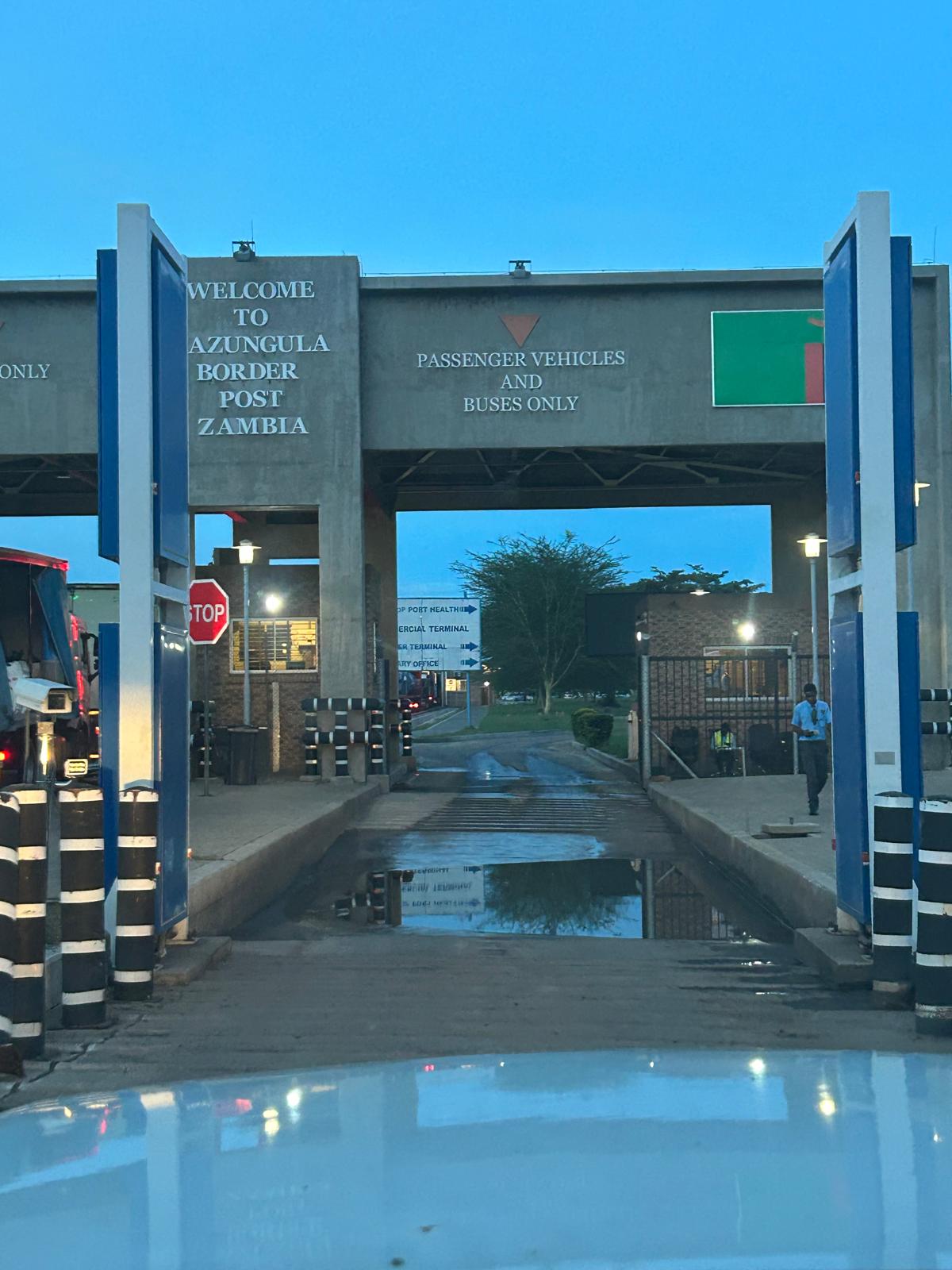
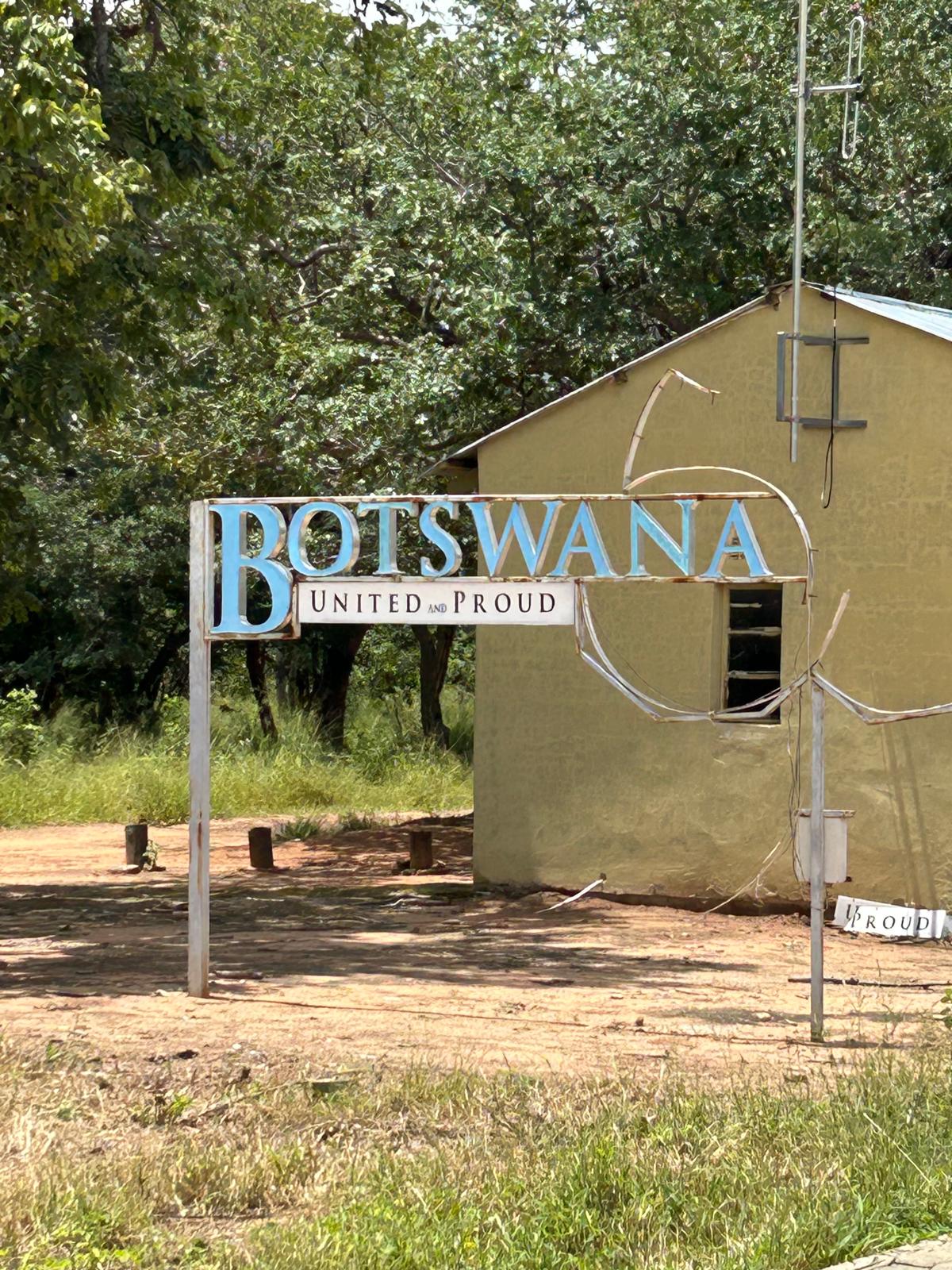
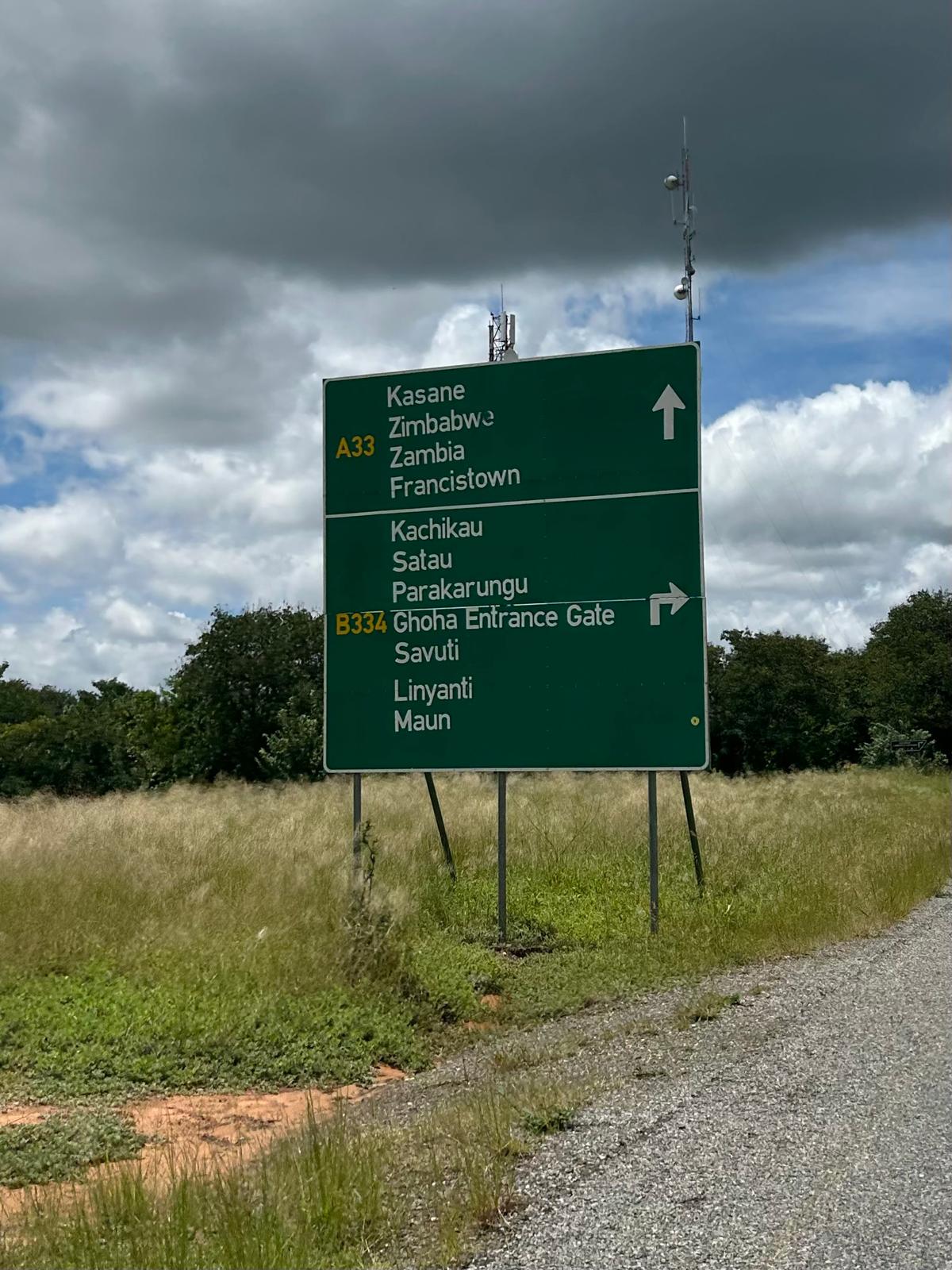
The day before, we had decided to stick to the plan and head to Chobe National Park — meaning we'd sleep in Zambia, but first passing through Botswana, which meant crossing two borders in the same day: Ngoma into Botswana, then Kazungula into Zambia.
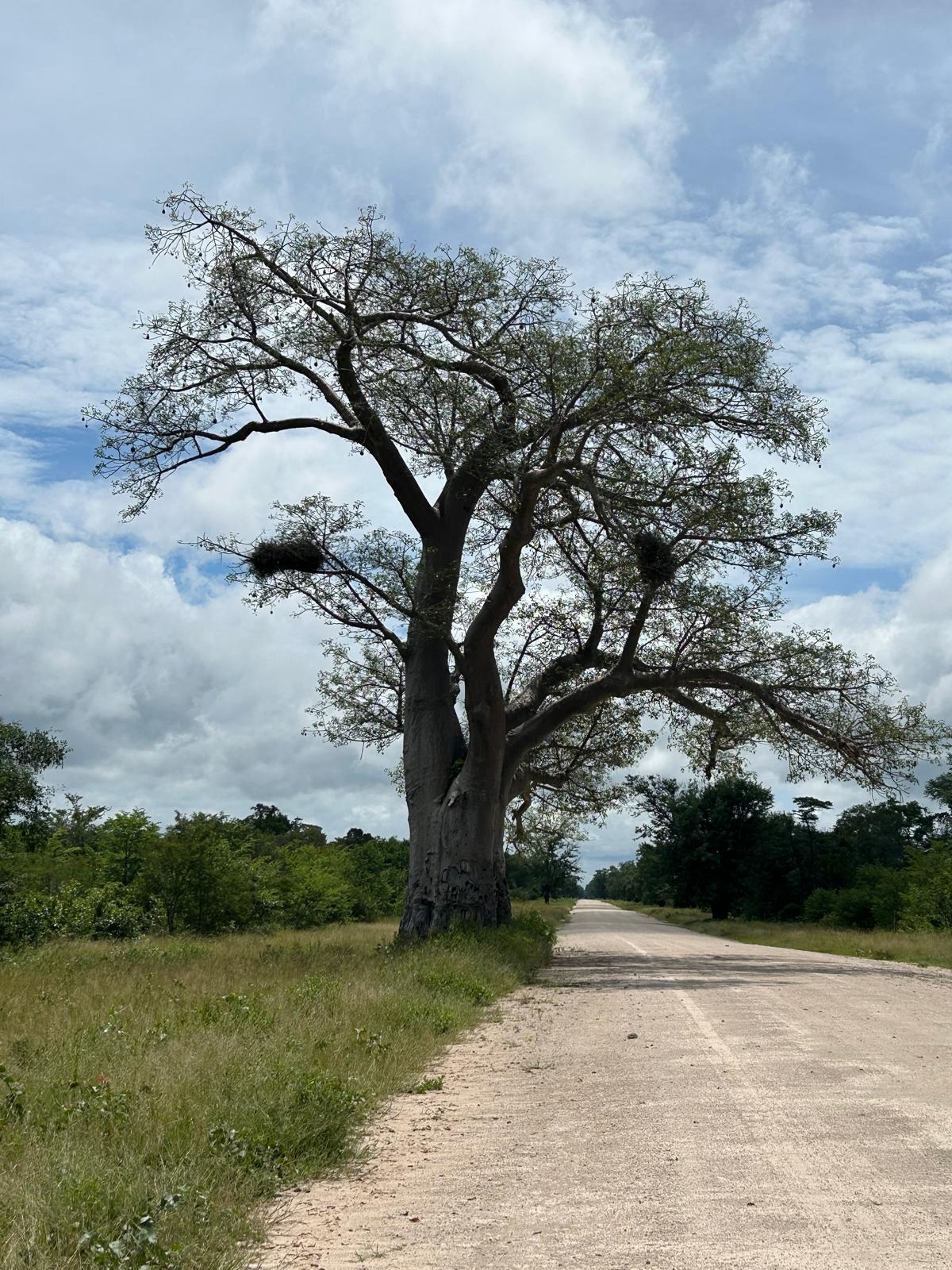
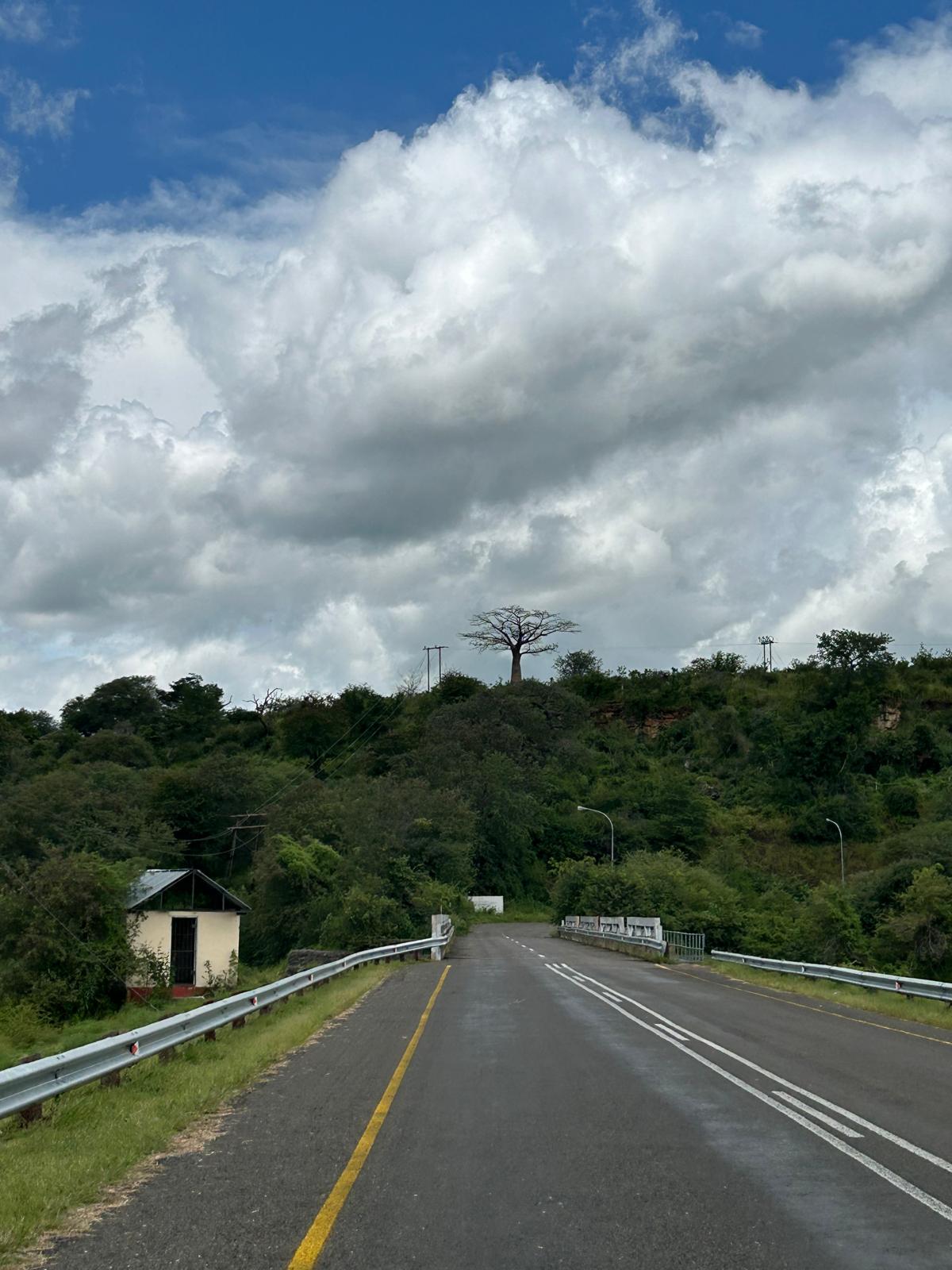
The Namibia–Botswana border crossing took no more than ten minutes and, as soon as we entered, we were already inside the park on a roughly 60 km road leading to Kasane, the epicentre of Chobe National Park activities.
There was a chance of animals on the road, so the speed limit was 80 km/h. Paula really wanted to see an elephant — we hadn't spotted any in Etosha or Caprivi.
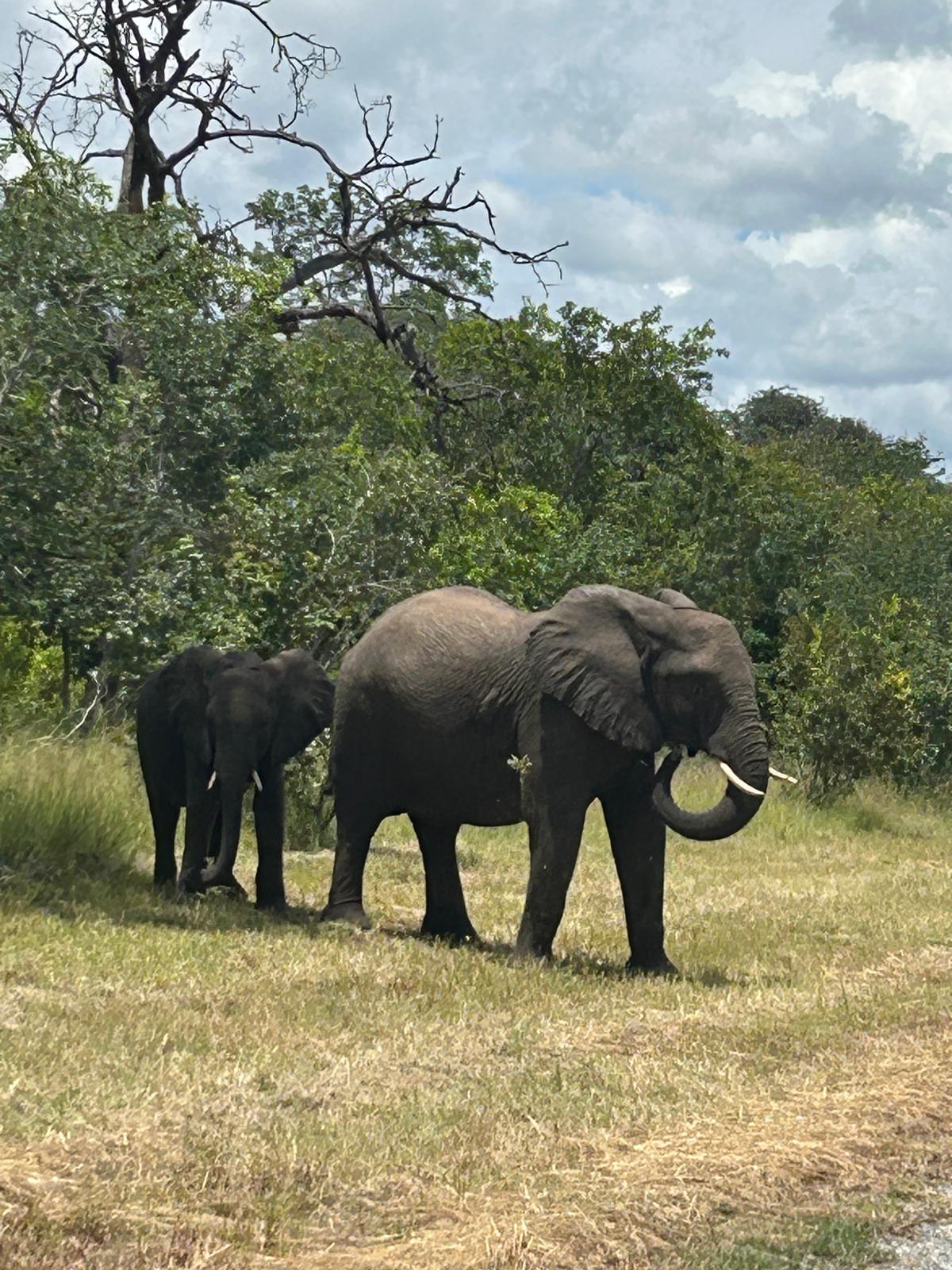
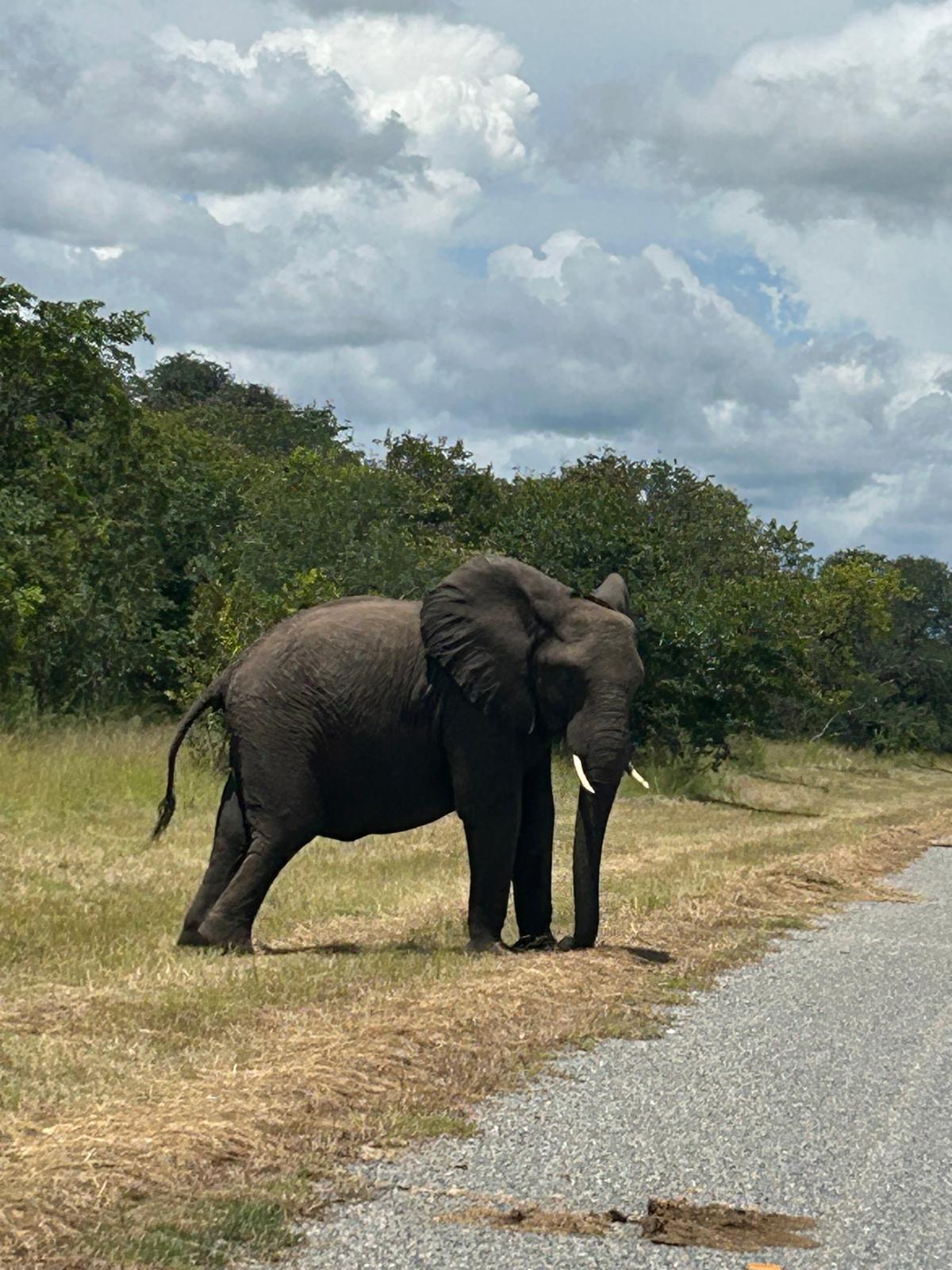
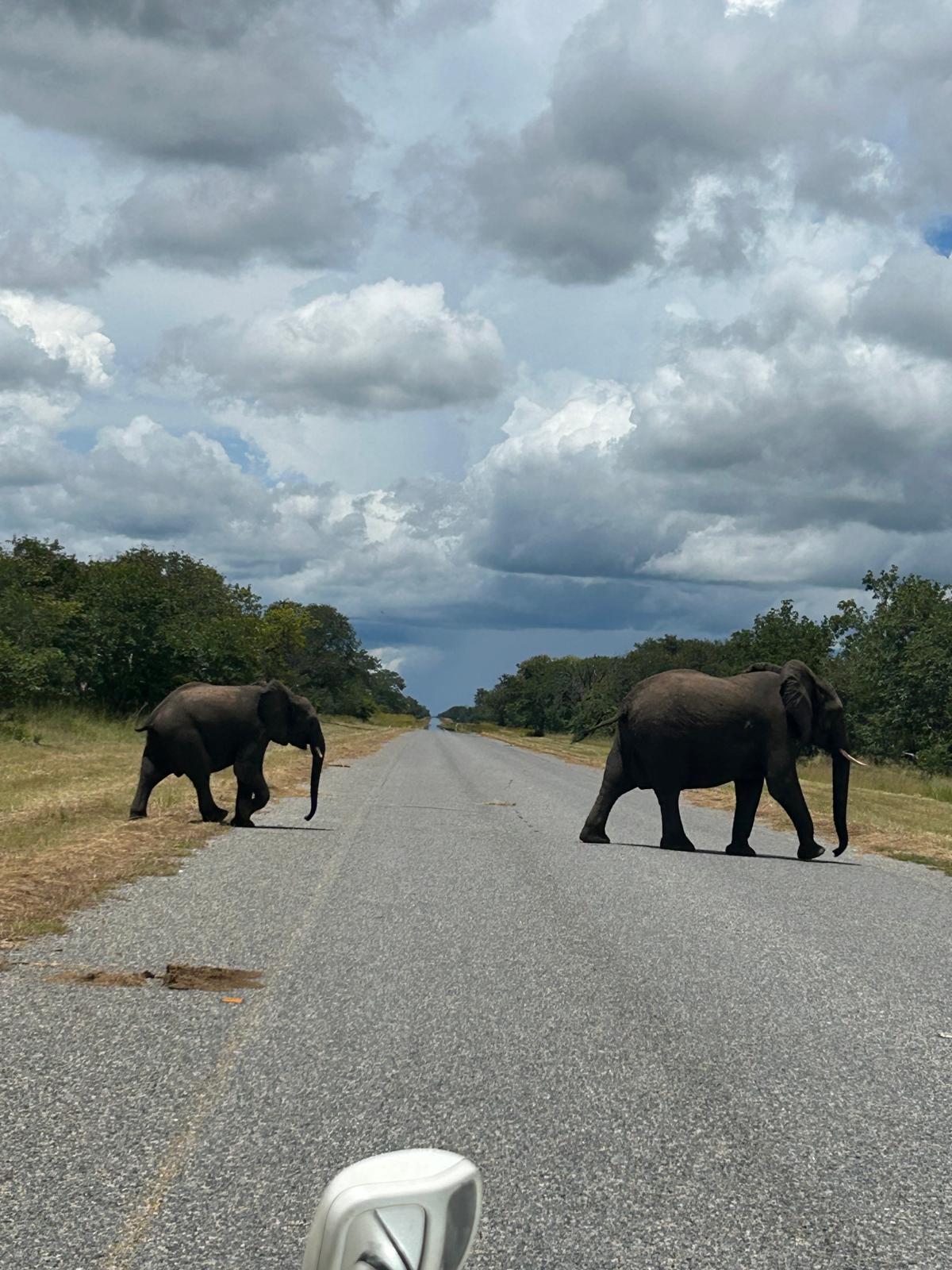
And so it happened, like a song request: I spotted an elephant crossing the road, then a smaller one. We stopped about 20 metres away, turned off the engine, and watched an entire family cross slowly from one side to the other.
We stayed still for a good ten minutes. The detour to Chobe had already been worth it.
We then headed to Kasane. We had a boat cruise at 3 pm.
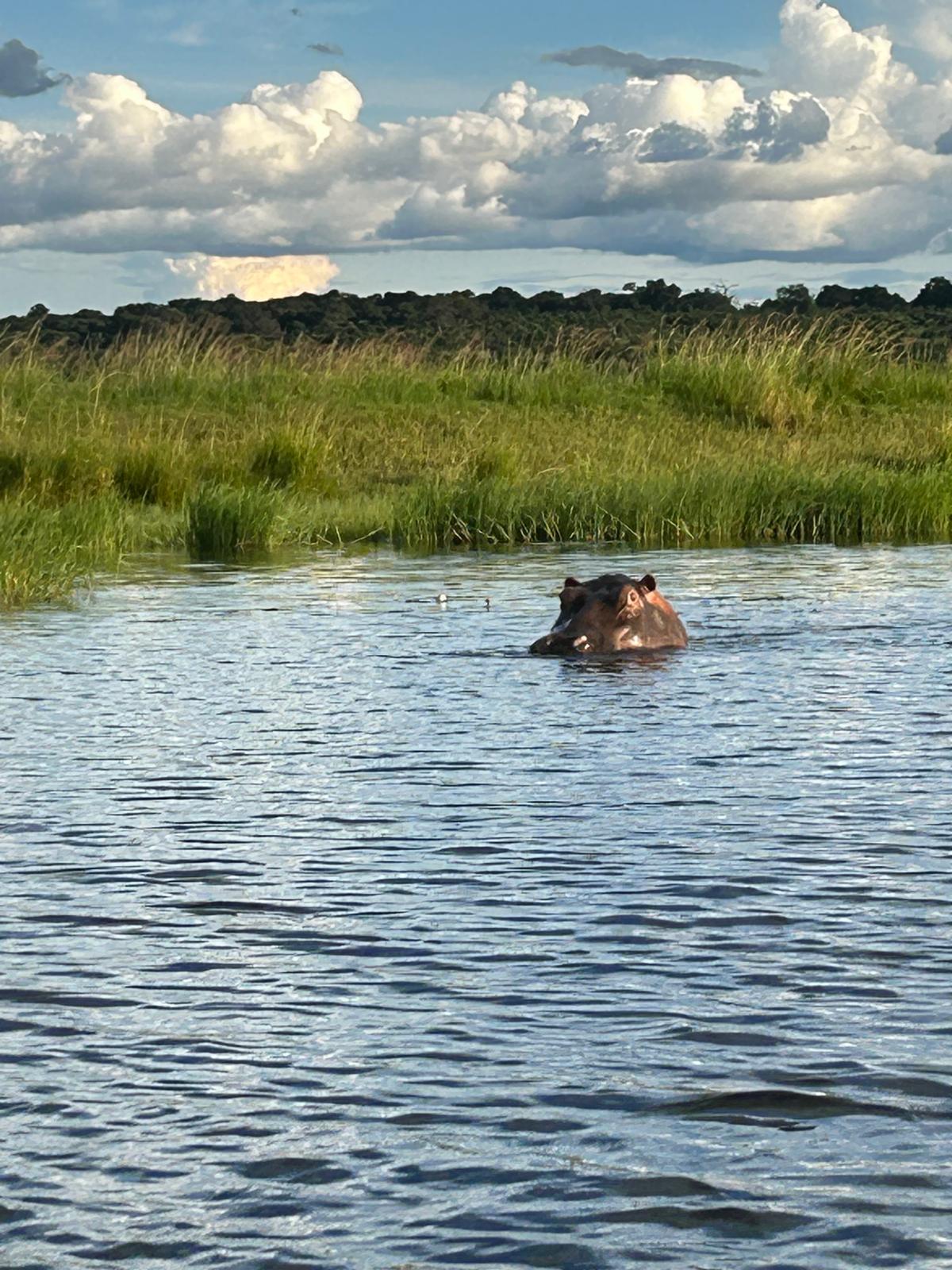
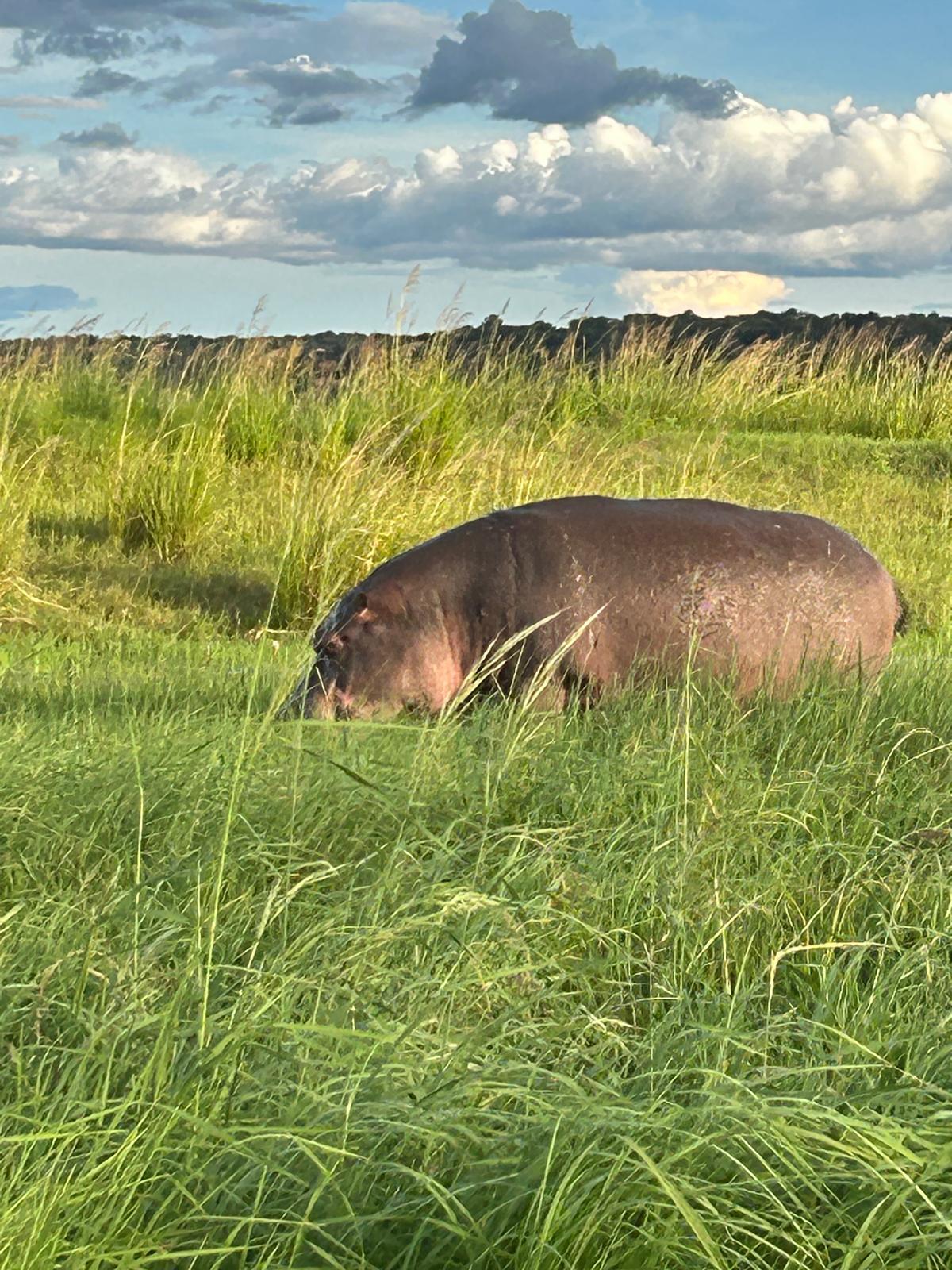
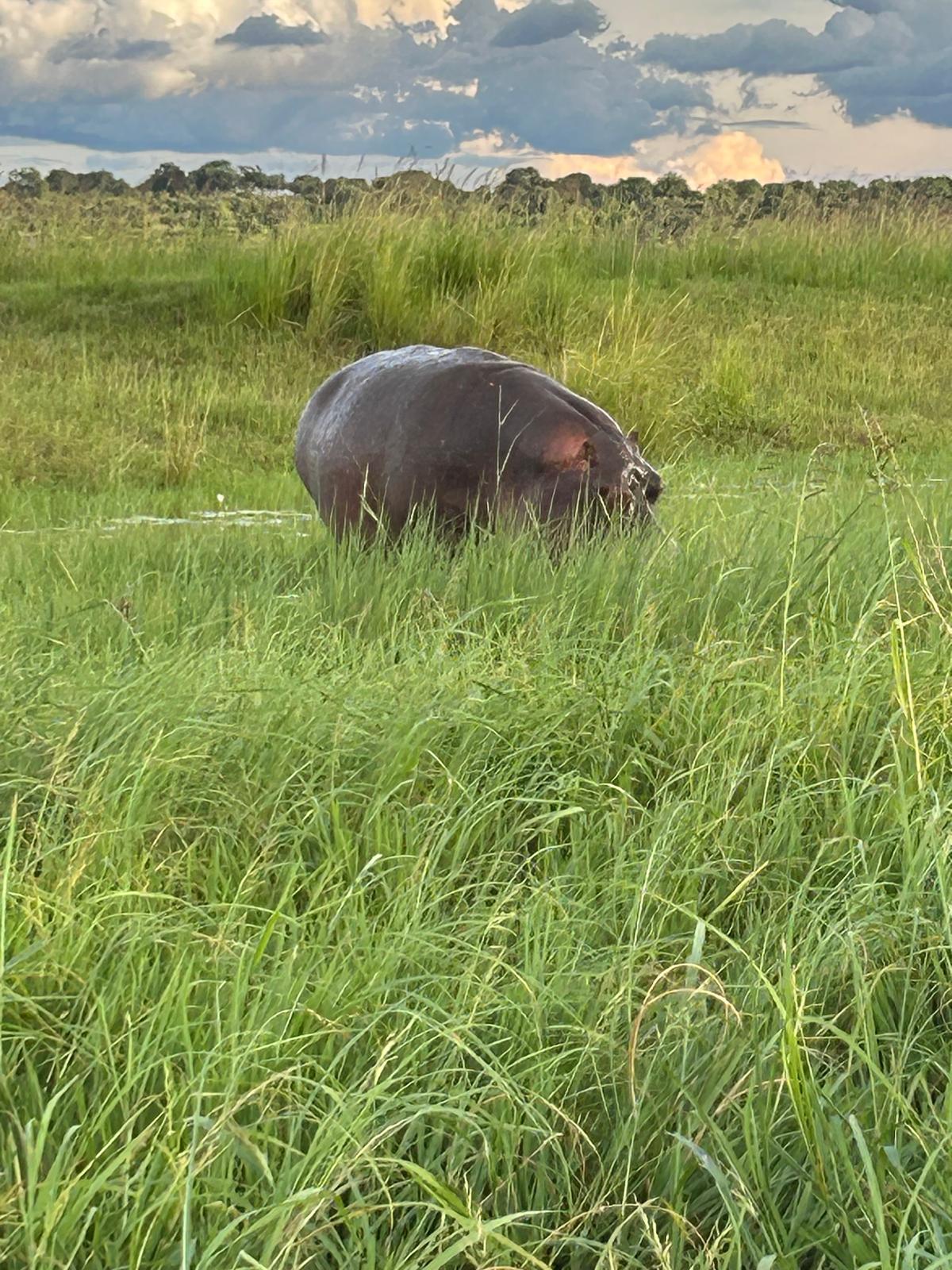
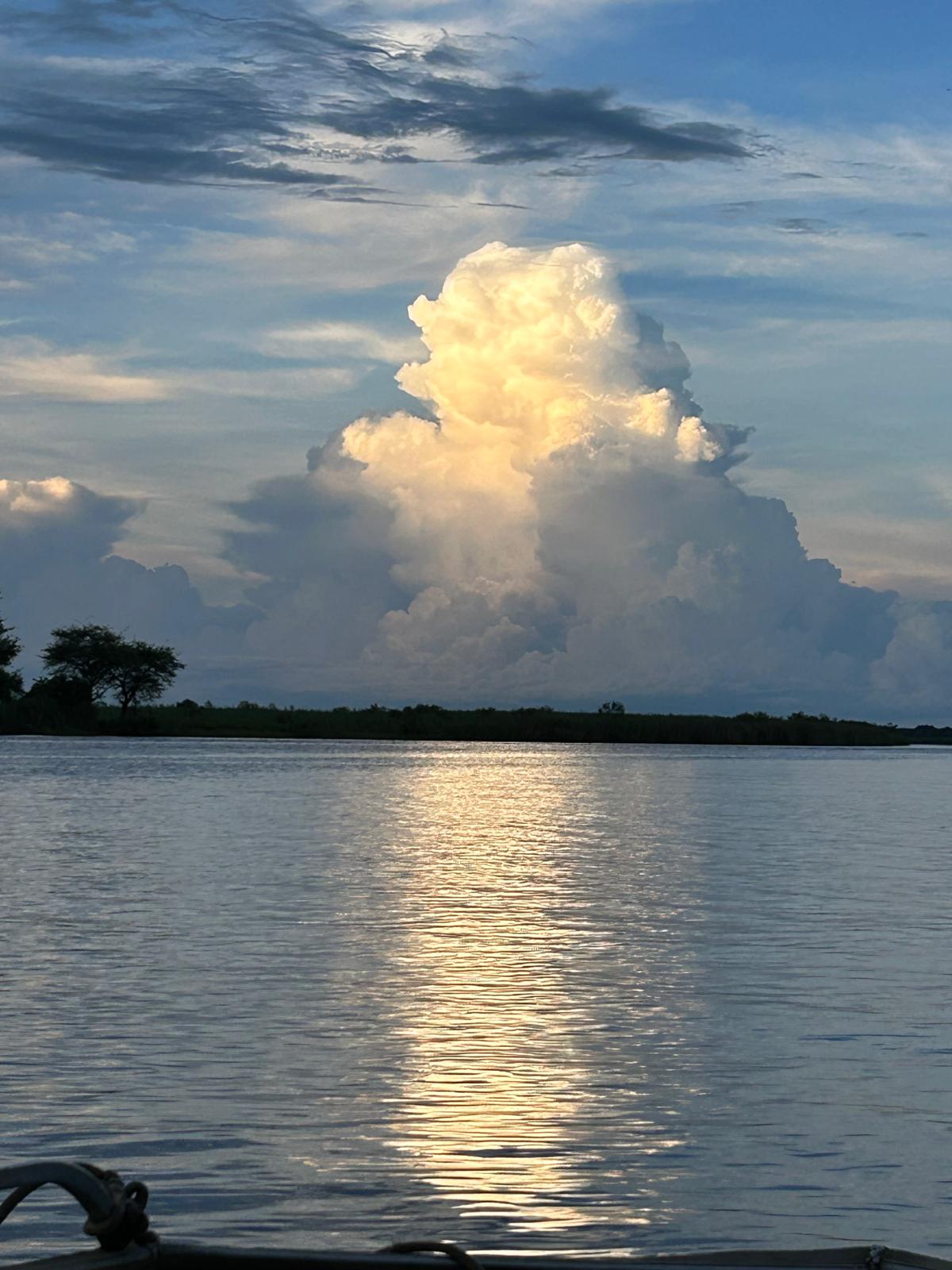
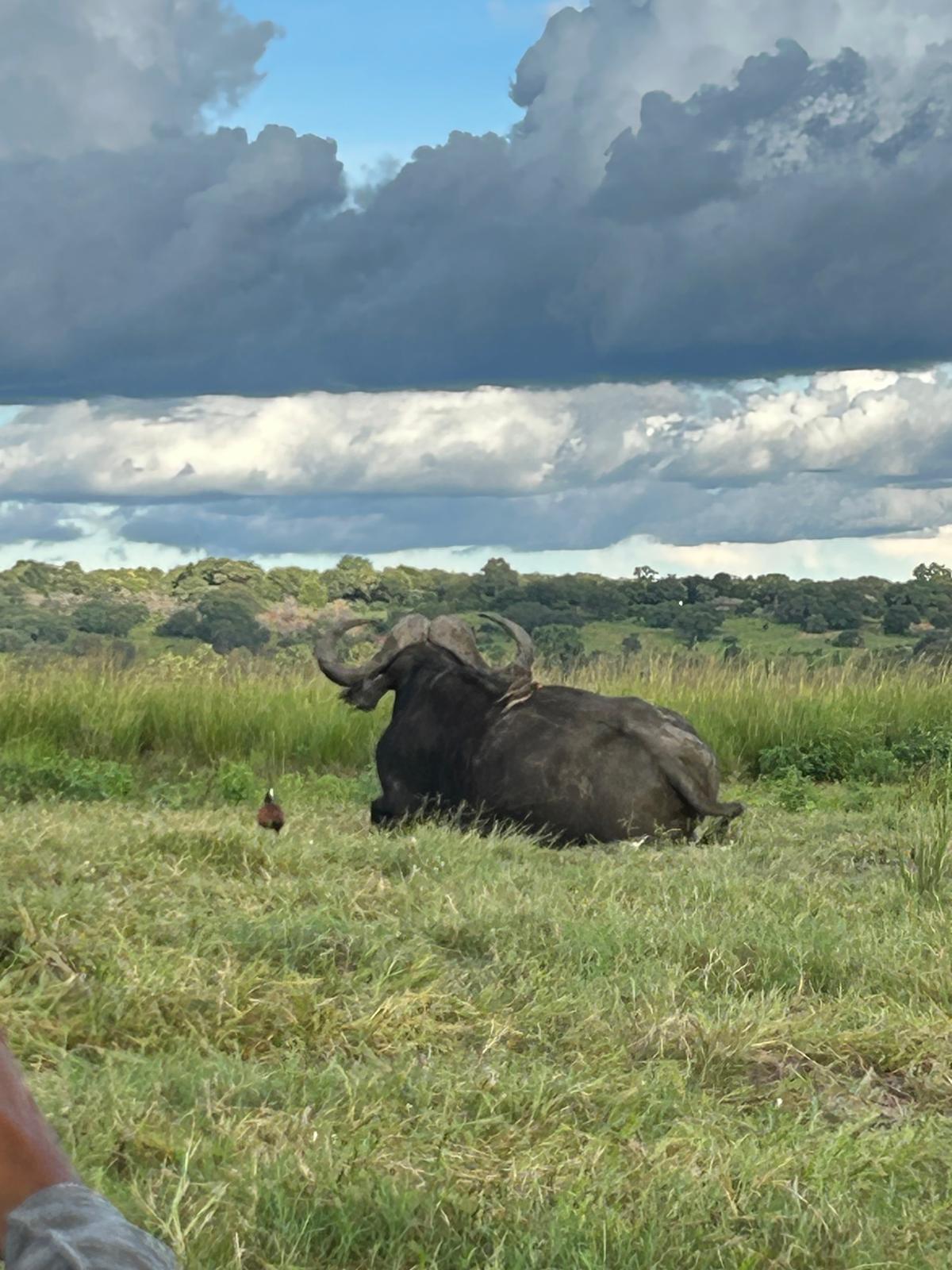
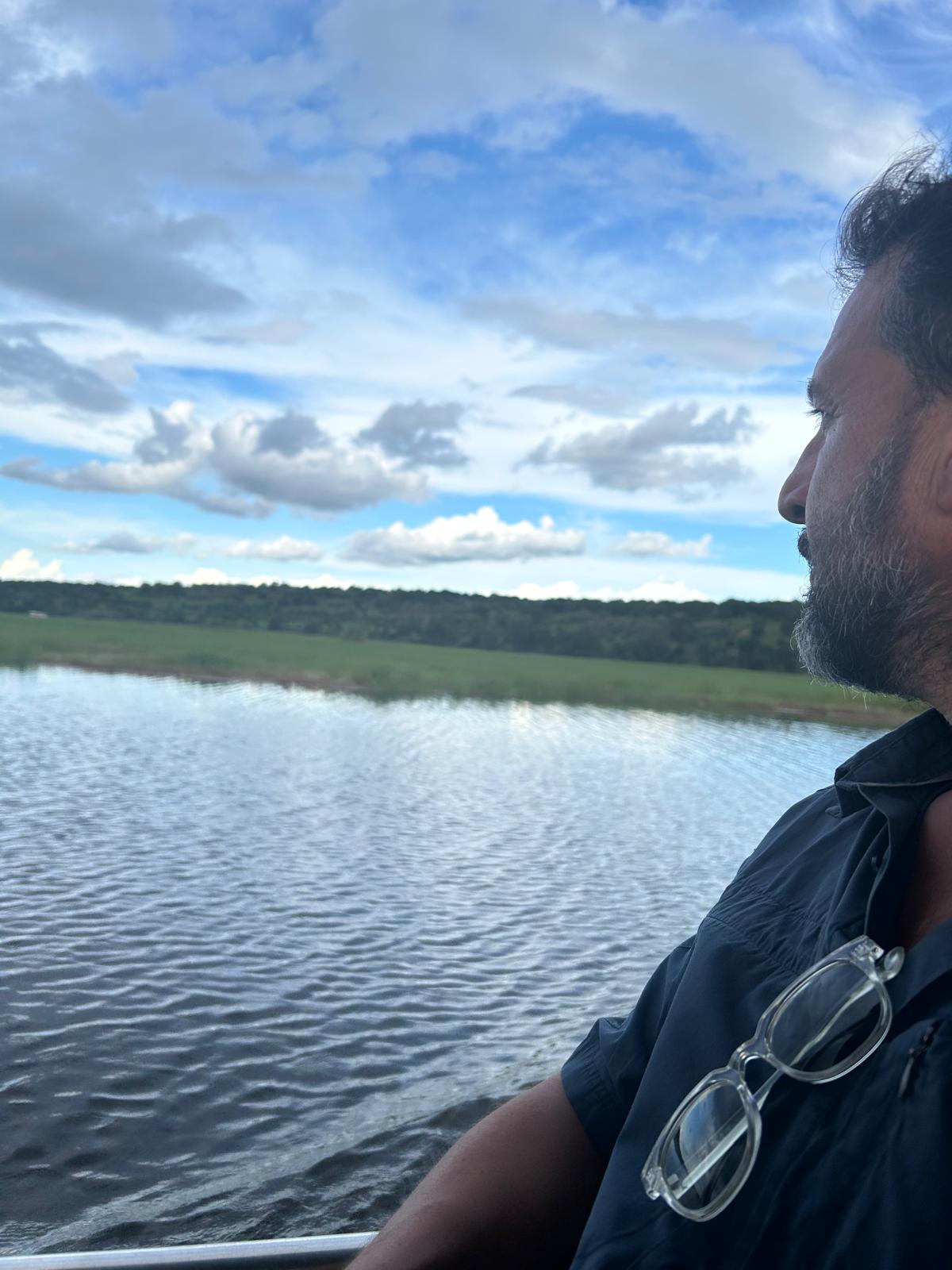
The boat waiting for us was full and with a curious mix of people: from two couples who brought two cool boxes and quietly polished off a bottle of whisky in two hours, to a guy who went alone and slept through at least half the trip, plus a kid who just screamed and scared all the wildlife.
We were saved by Félix, the guide — a true professional, funny, knowledgeable, and with a sharp eye. Almost as good as Paula's, who also had her moments today… but I won't keep picking on the visually challenged.
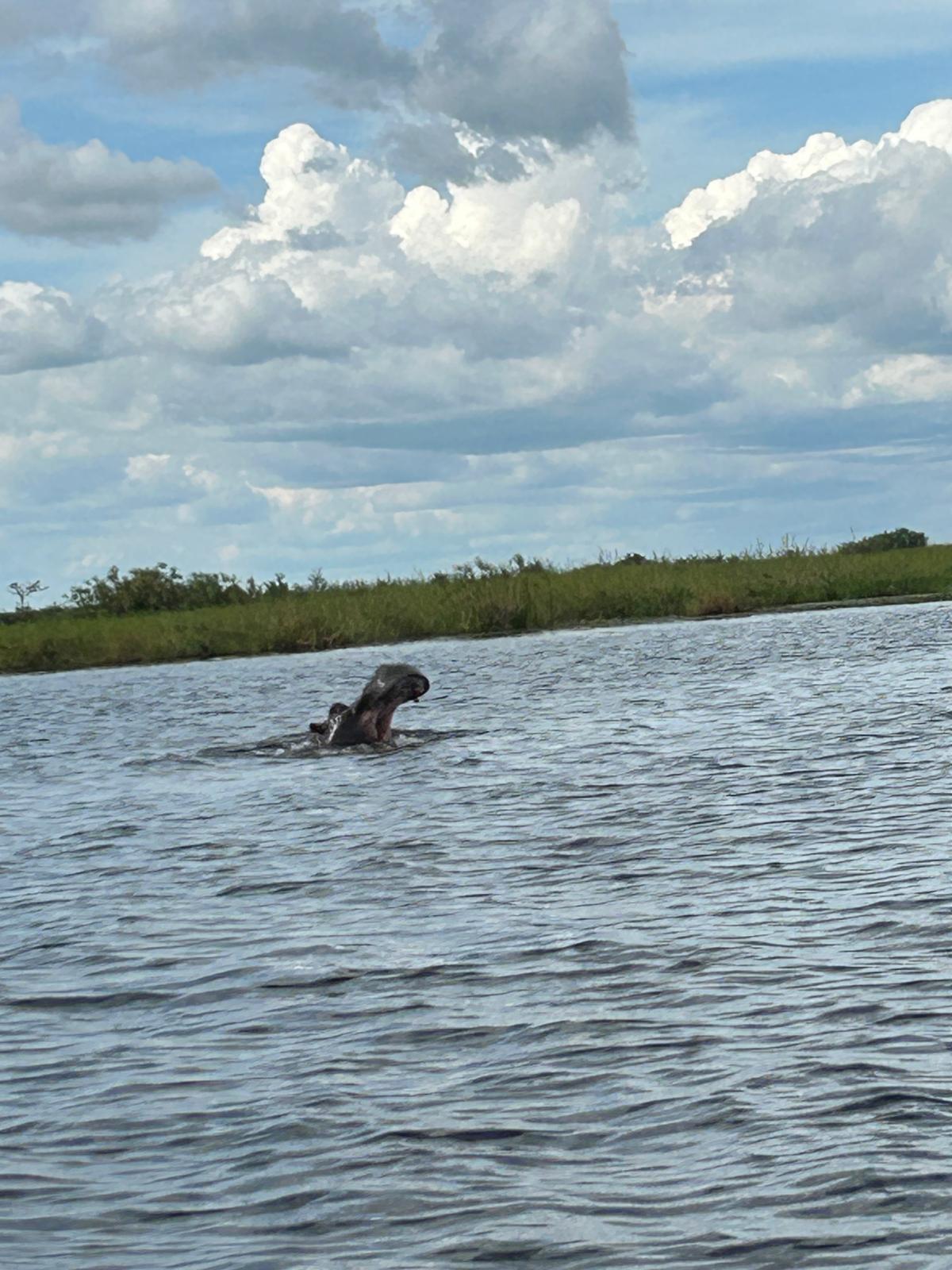
At 6 pm we were still watching hippos and crocodiles when I remembered to check what time the Botswana–Zambia border closed.
6 pm, says ChatGPT.
I ask it to confirm. It confirms: 6 pm.
We started looking for hotels near the border, but that would have thrown our plans off a bit.
Meanwhile, Félix kept finding crocodiles and seemed determined to extend the tour past 6:30 pm.
I decided to consult the older brother of the chat: Google.
Border closing time: 8 pm. There's hope. We're the first off the boat, jumping over cool boxes, and we run to the car.
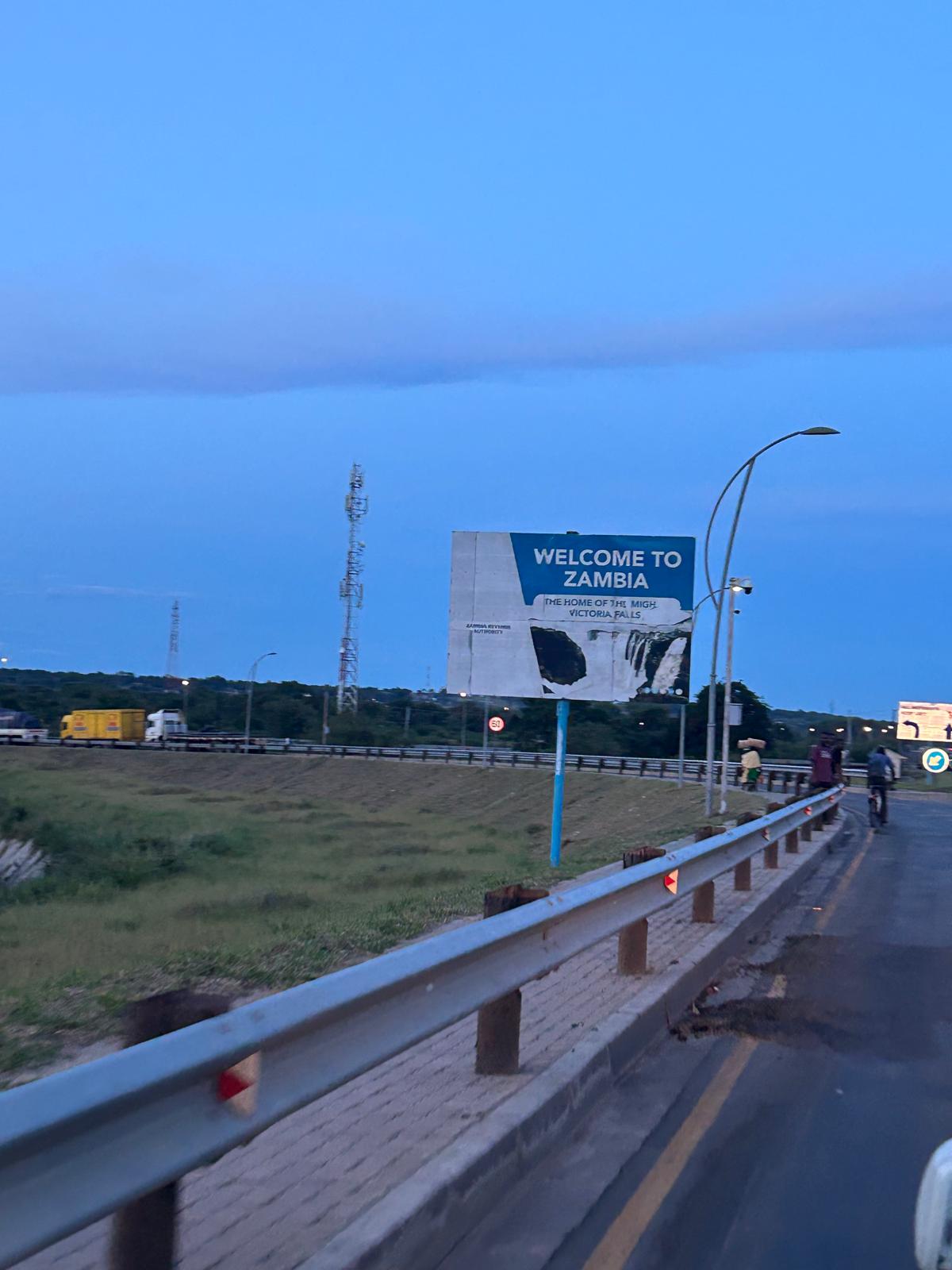
We arrived at the border at 7 pm, it was open, and an hour and a half later we heard "You may proceed, and welcome to Zambia" with a big smile. What happened between 7 pm and 8:30 pm was the Monty Python sketch of "the form, which form?" — but in English it takes longer.
We were so relieved the border was open that we endured the painful 90 minutes of meticulous bureaucracy in good spirits.
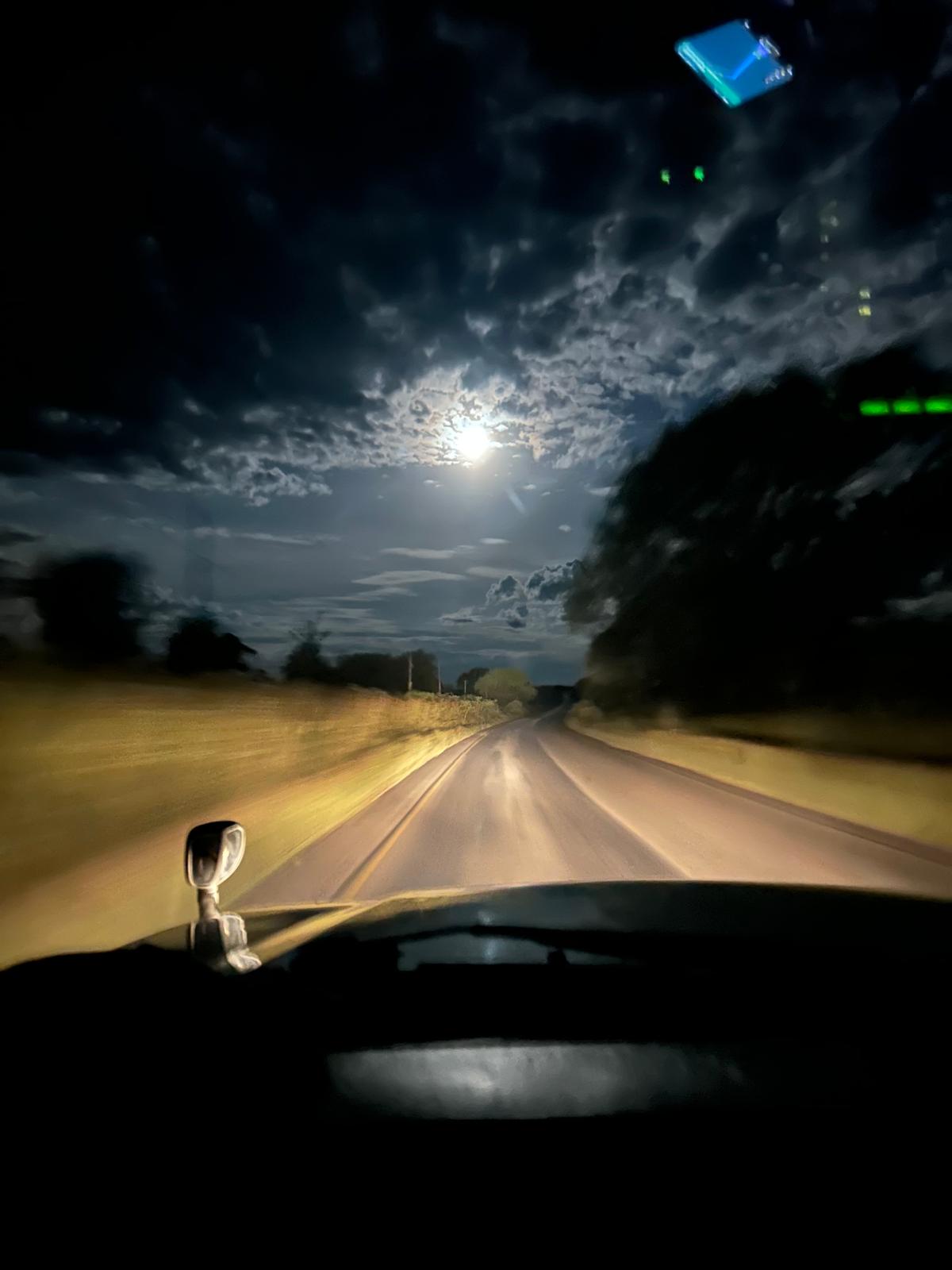
The most annoying part of the delay was driving the 70 km to Livingstone at night, on a road with no street lighting. We made it though — it was 9:30 pm — despite two quick and friendly stops at Zambian police checkpoints.
Tired, but certain the Botswana detour was worth it, Paula celebrated her three new countries on this trip: Namibia, Botswana, and Zambia.
Tomorrow we meet Tomek and Diego, and begin the transition to the next stage. Ahead of us: two days to discover Victoria Falls.
Em relação à Namíbia, as minhas expectativas eram altas, mas acabou por ser melhor do que imaginei, sobretudo Caprivi e Sossusvlei. Hoje era o dia da despedida.
Tomámos o pequeno-almoço sem pressa. O chuveiro do Kazondwe afinal não era tão mau como parecia e a água quente não era um mito.
Ao pequeno-almoço, a Suzanne chama-nos para vermos os restos de uma cobra que tinha sido caçada por pássaros durante a madrugada. O café da Paula já não lhe soube ao mesmo.
Tínhamos decidido no dia anterior manter o plano e ir ao Chobe National Park, ou seja, ir dormir à Zâmbia, mas passando primeiro pelo Botswana, o que significava atravessar duas fronteiras no mesmo dia: Ngoma para o Botswana e depois Kazungula para a Zâmbia.
O processo na fronteira Namíbia–Botswana não demorou mais de dez minutos e, assim que entrámos, já estávamos dentro do parque numa estrada de cerca de 60 km que vai dar a Kasane, o epicentro das actividades do Chobe National Park.
Havia possibilidade de haver animais na estrada, por isso o limite era 80 km/h. A Paula queria muito ver um elefante, não tínhamos visto nenhum nem no Etosha nem em Caprivi.
E assim foi, tipo discos pedidos: vejo um elefante a atravessar a estrada, e depois outro mais pequeno. Parámos a uns 20 metros, desligámos o carro e ficámos a contemplar uma família inteira a atravessar vagarosamente de uma margem para a outra.
Ficámos seguramente uns bons dez minutos parados. O desvio para o Chobe já tinha valido a pena.
Seguimos então para Kasane. Tínhamos o boat cruise às 15h.
O barco que nos esperava estava cheio e com uma diversidade curiosa: desde dois casais que levaram duas geleiras e emborcaram tranquilamente uma garrafa de whisky em duas horinhas, até um tipo que foi sozinho e que dormiu pelo menos metade do percurso, passando por um miúdo que só gritava e assustava a bicharada.
Valeu-nos o Félix, o guia, um profissional de mão cheia, com graça, muito saber e um olho de lince. Quase tão bom como o da Paula, que também hoje fez das suas… mas eu não vou bater mais no ceguinho(a).
Às 18h ainda estávamos a ver hipopótamos e crocodilos quando me lembrei de verificar a que horas fechava a fronteira Botswana–Zâmbia.
18h, diz o ChatGPT.
Peço para confirmar. Confirma: 18h.
Começámos a procurar hotéis perto da fronteira, mas isso estragava-nos um bocado (muito) os planos.
Entretanto o Félix continuava a descobrir crocodilos e parecia determinado a prolongar o tour para lá das 18h30.
Resolvi consultar o irmão mais velho do chat: o Google.
Hora de fecho da fronteira: 20:00. Há esperança. Somos os primeiros a sair do barco, saltando por cima das geleiras, e corremos para o carro.
Chegámos à fronteira às 19h, estava aberta, e hora e meia depois ouvíamos "Pode prosseguir, e bem-vindos à Zâmbia" com um sorriso bem rasgado. O que se passou entre as 19h e as 20h30 foi o sketch dos Gatos Fedorentos do "papel, qual papel?", mas em inglês e bastante mais longo.
Ficámos tão felizes com o facto da fronteira estar aberta que suportámos os penosos 90 minutos de minuciosa burocracia com bom humor.
O mais chato deste atraso foi fazer os 70 km até Livingstone já de noite, numa estrada sem iluminação pública. Ainda assim chegámos, eram 21h30, apesar das duas paragens, rápidas e simpáticas, em checkpoints da polícia zambiana.
Cansados, mas com a certeza de que valeu a pena ter feito o desvio pelo Botswana, a Paula celebrava os seus três novos países nesta viagem: Namíbia, Botswana e Zâmbia.
Amanhã encontramos o Tomek e o Diego, e começamos a transição para a nova etapa. Pela frente temos dois dias para descobrir as Cataratas Vitória.