Nampula → Gurué — Evaristo, Carlota, and Castigo
Nampula → Gurué — O Evaristo, a Carlota e o Castigo
📍 Gurué, MoçambiqueAt the reception, the night before, they had told me that breakfast started at 6:00 AM, and there we were, both of us, ready at 6 on the dot.
"We only start serving at 7:00 AM," Dona Alzira said, annoyed. "Those at reception mess up the communication of times a lot." I agreed, what could I do?
I asked for some Ricoré to take to the room to make coffee. Dona Alzira promised fruit for the trip.
We came down 15 minutes later and she had a feast waiting for us with fruits, yogurt, eggs, sausage, french fries... "I couldn't let you leave without eating."
We had 6 hours ahead of us until Gurué. We wanted to arrive by 1:00 PM to have lunch with João, Pedro's friend who was waiting for us.
We passed through a warm town with an unusual number of children wearing Benfica jerseys; it was Cazuzu, a note to investigate this phenomenon in the future.
Stopped twice by the police but without losing much time, everything was in order, with a slight attempt at confusion because my license, being from the Emirates, didn't qualify me to drive in Mozambique, but it passed with a "no, it doesn't" and a smile.
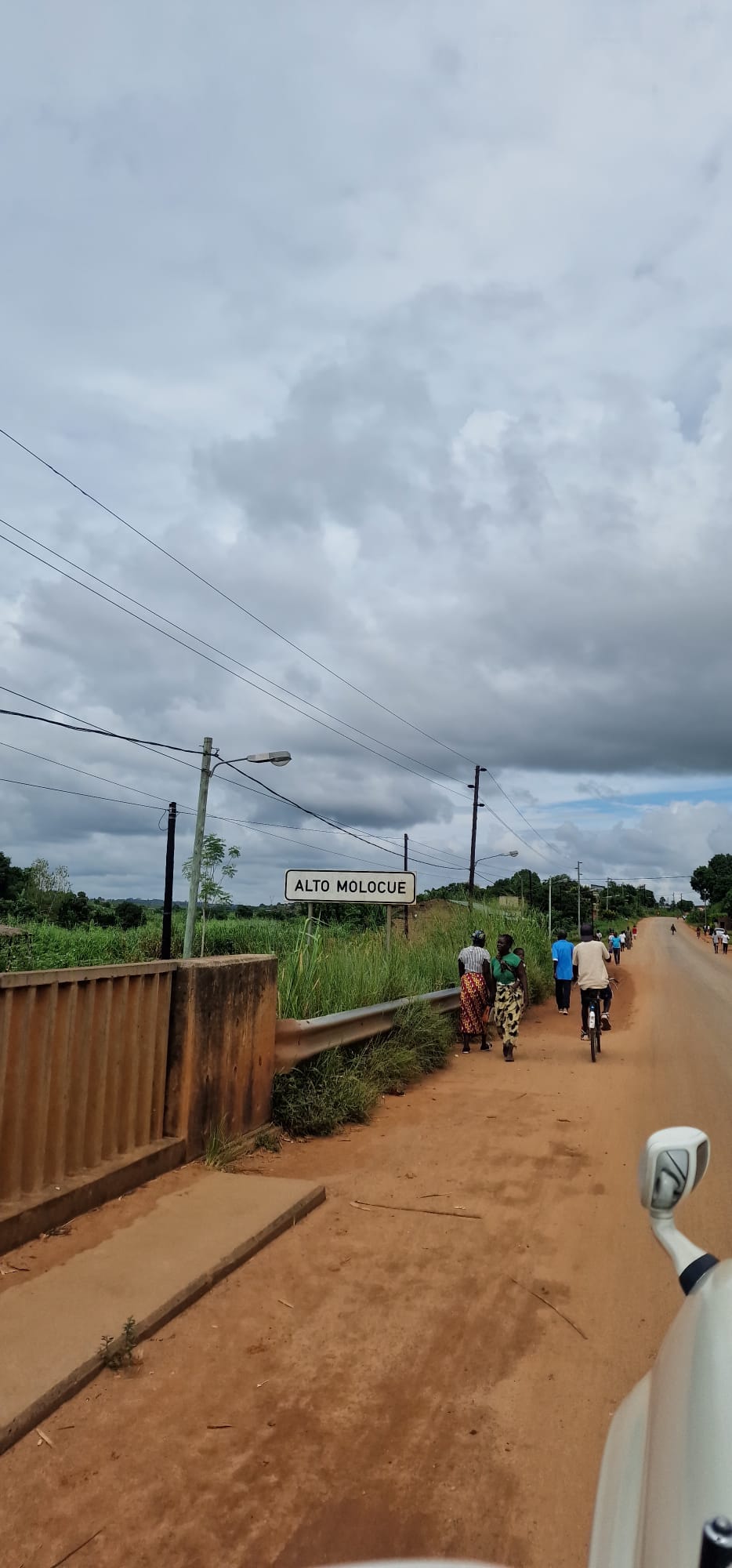
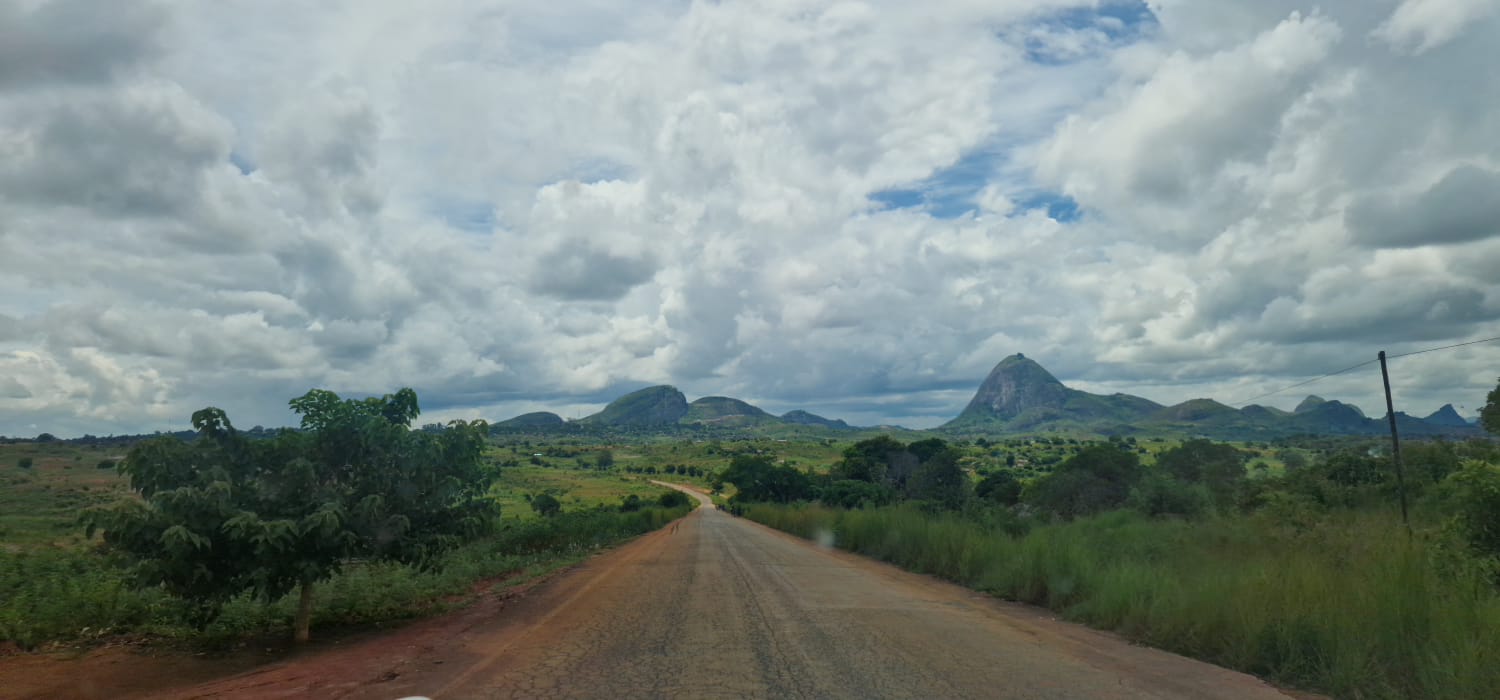
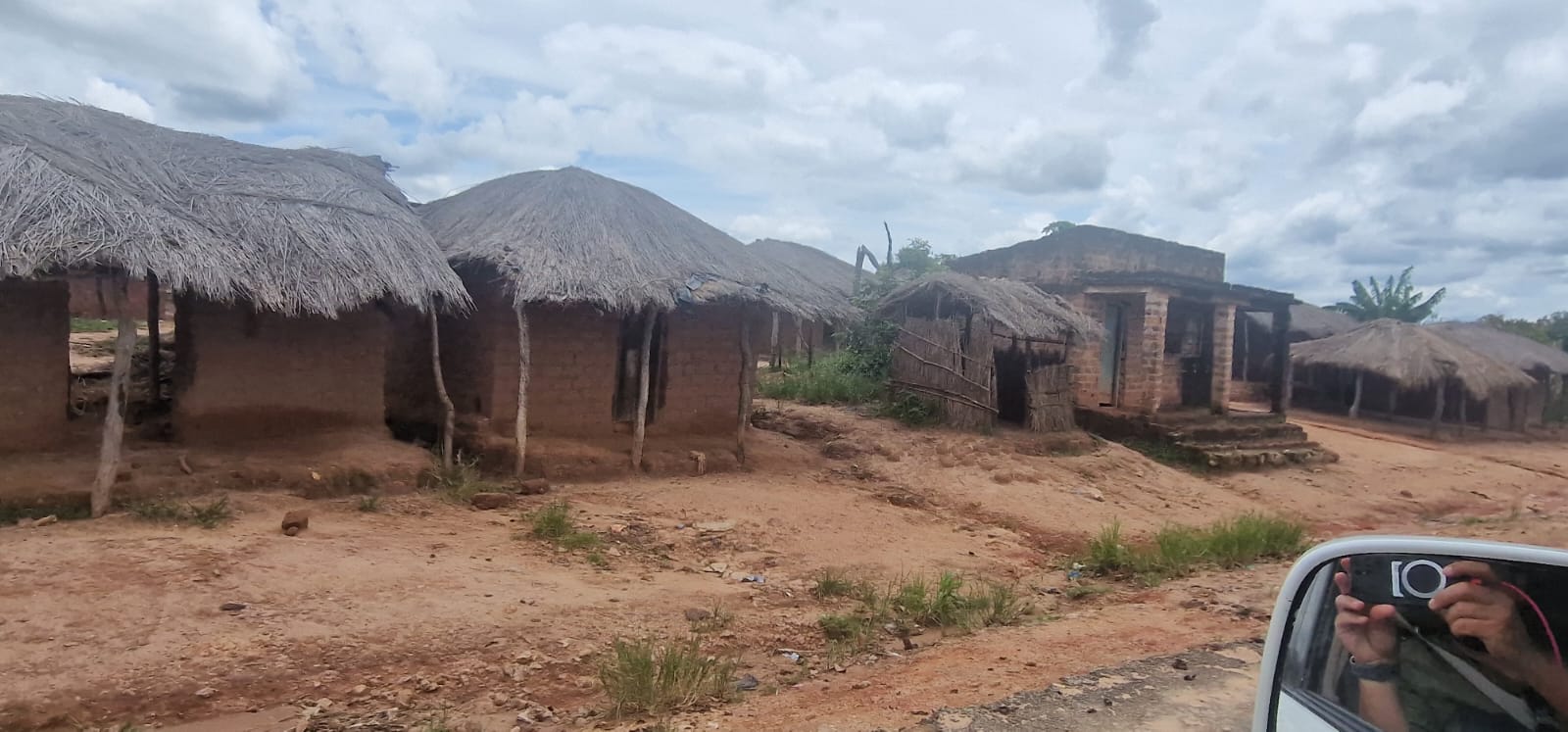
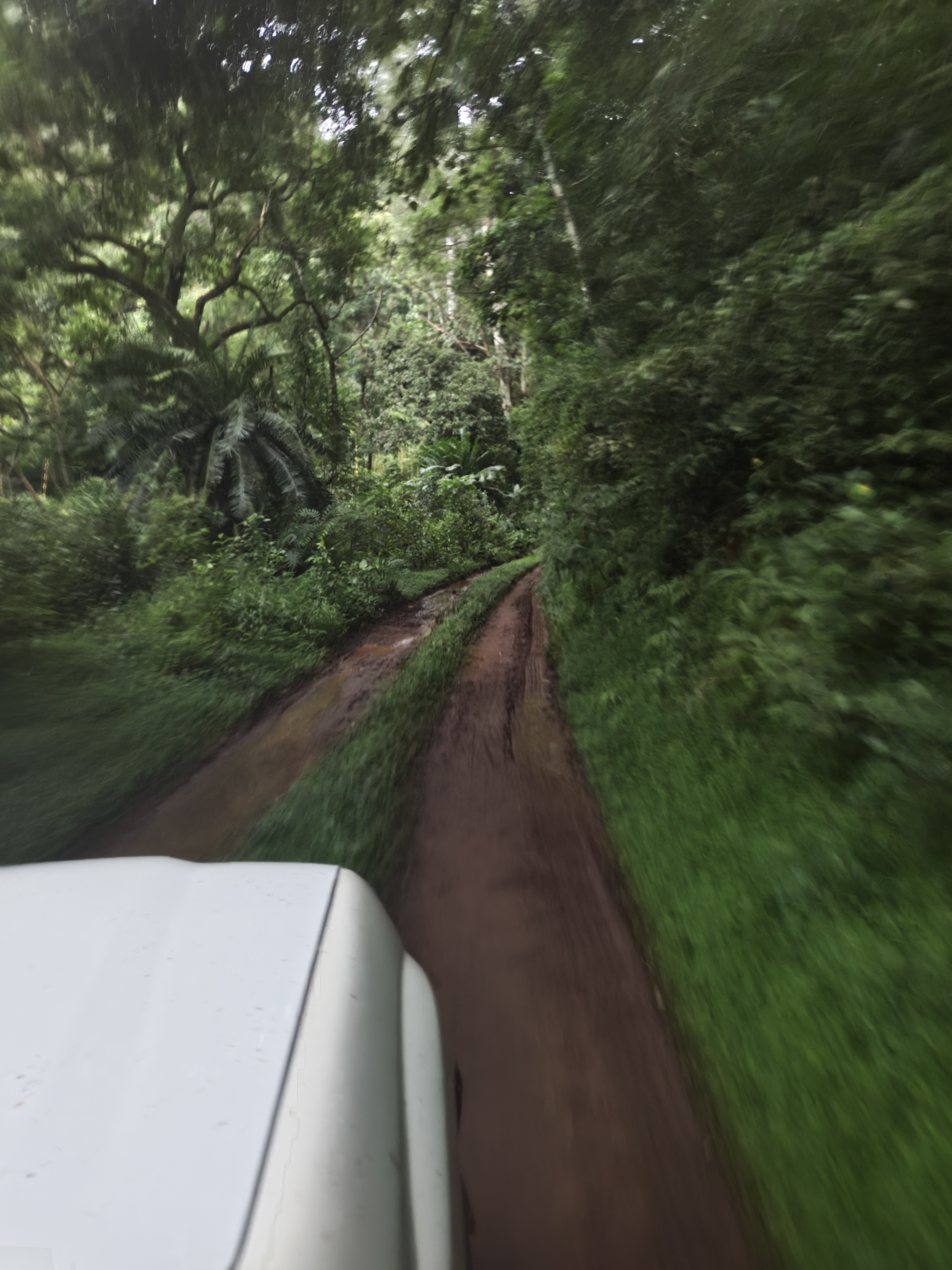
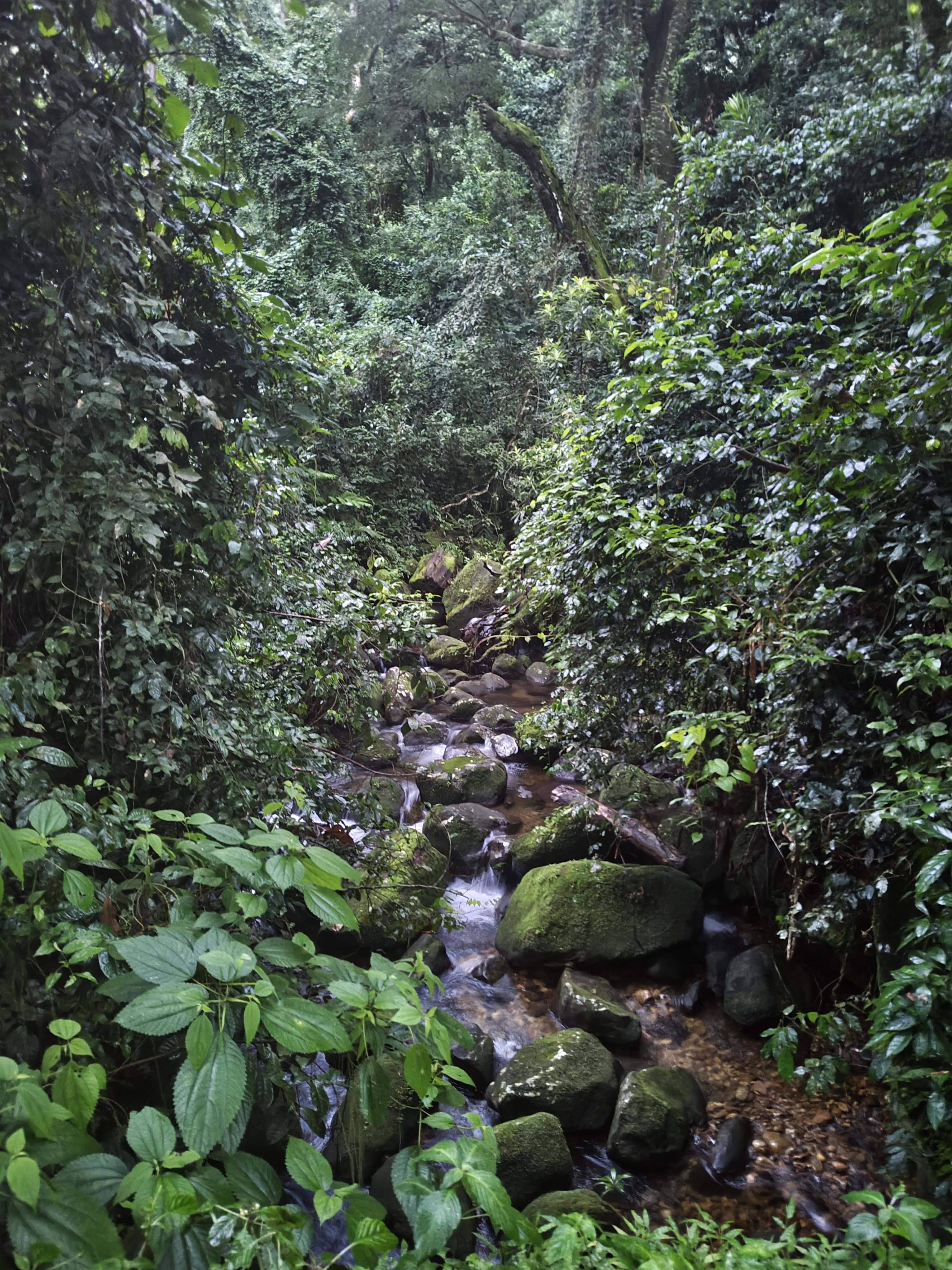
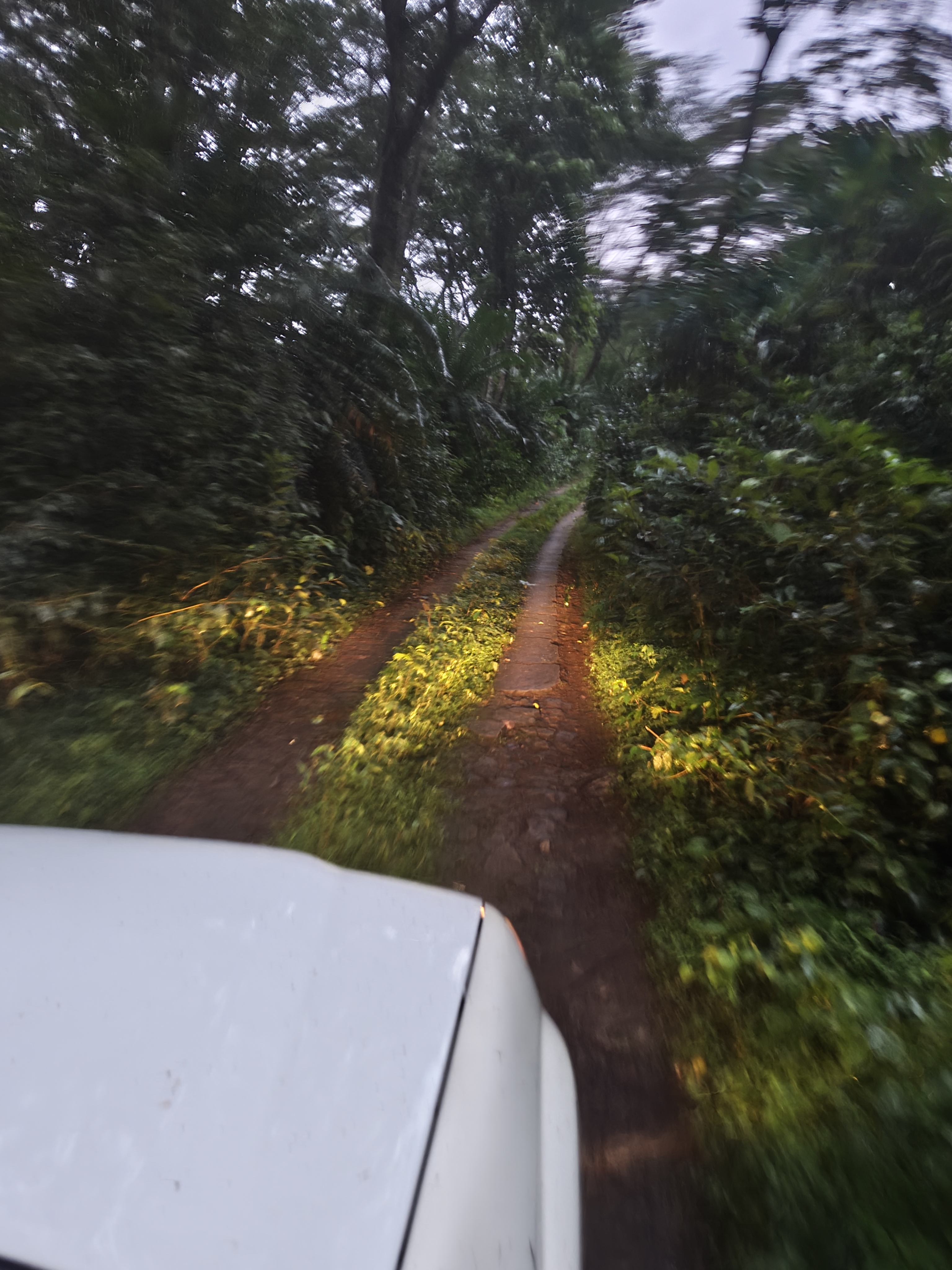
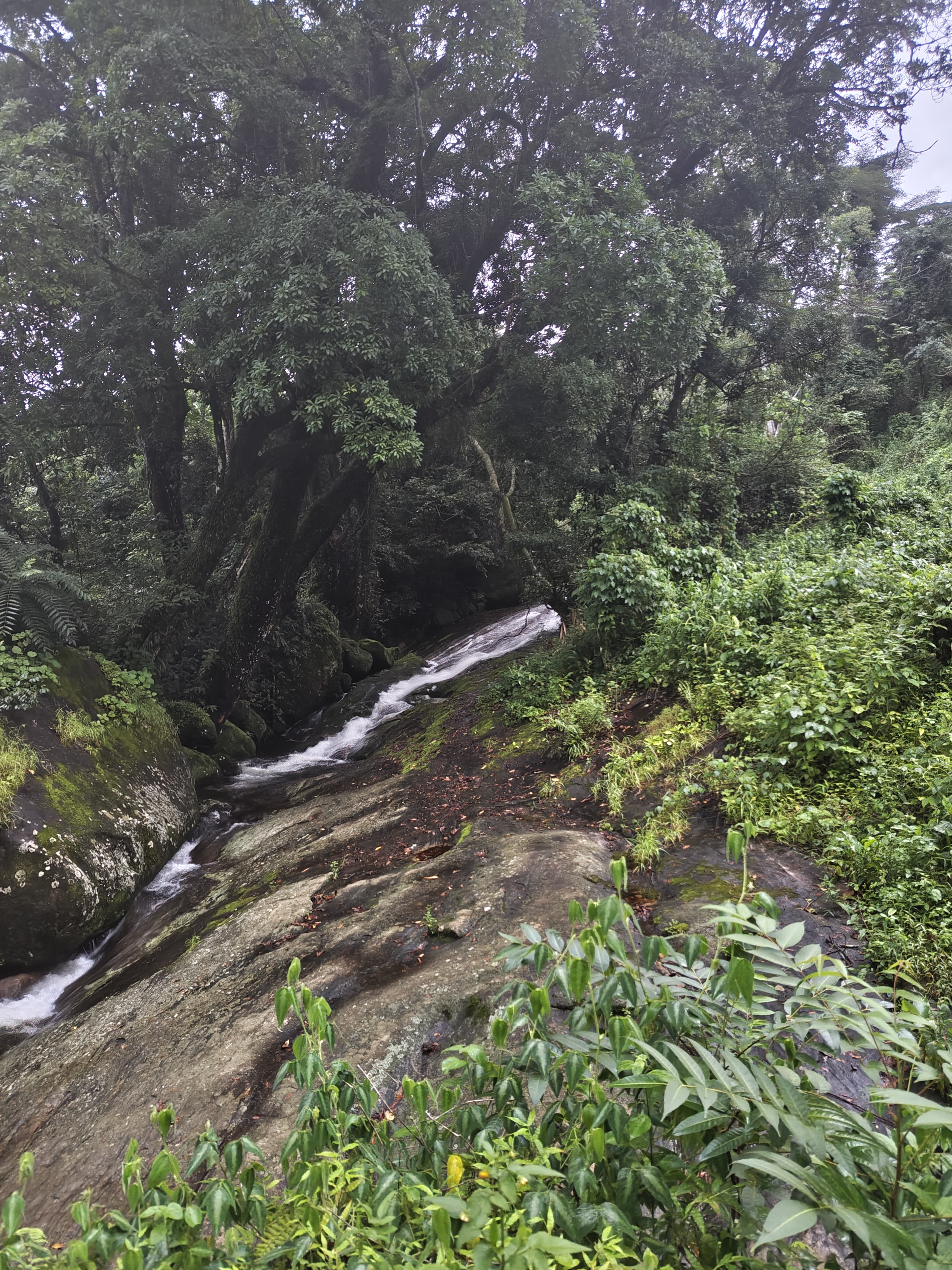
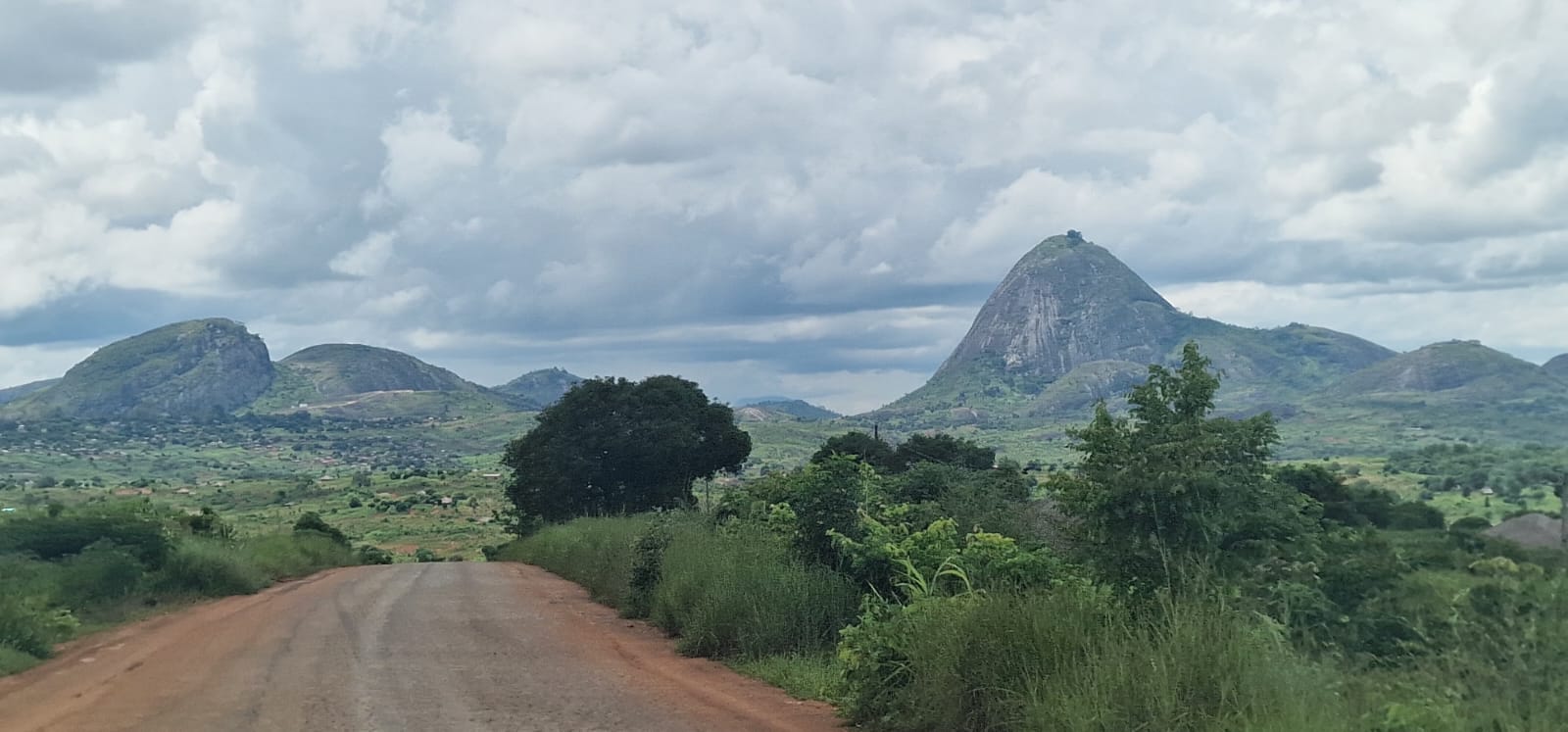
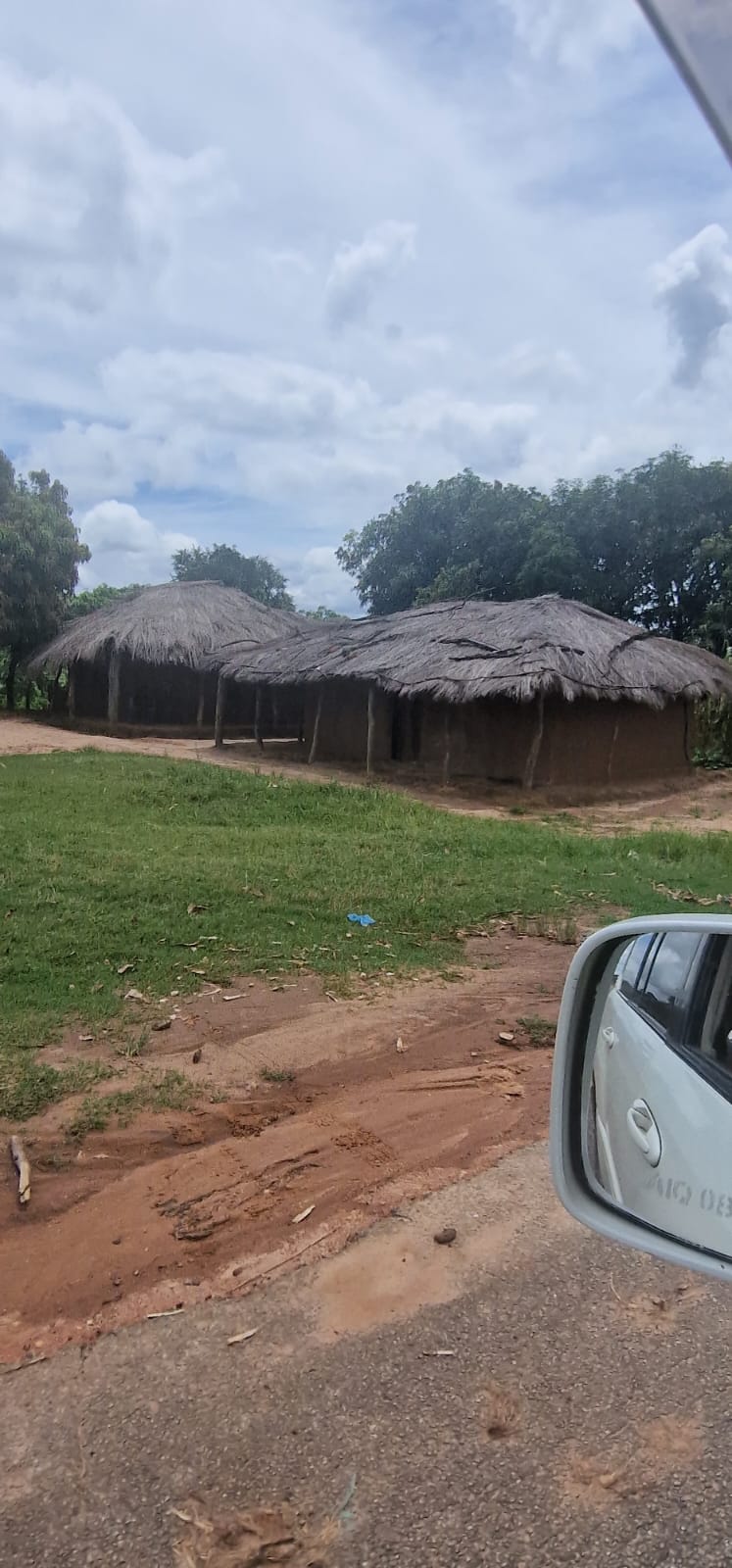
After leaving the N1, the road to Gurué has extraordinary landscapes. Nampula's rock formations continue there, but bigger and greener. The earth is redder, and almost all houses are made of mud brick.
We keep climbing. We are close to Monte Namúli, the second highest in Mozambique at 2400 meters of altitude.
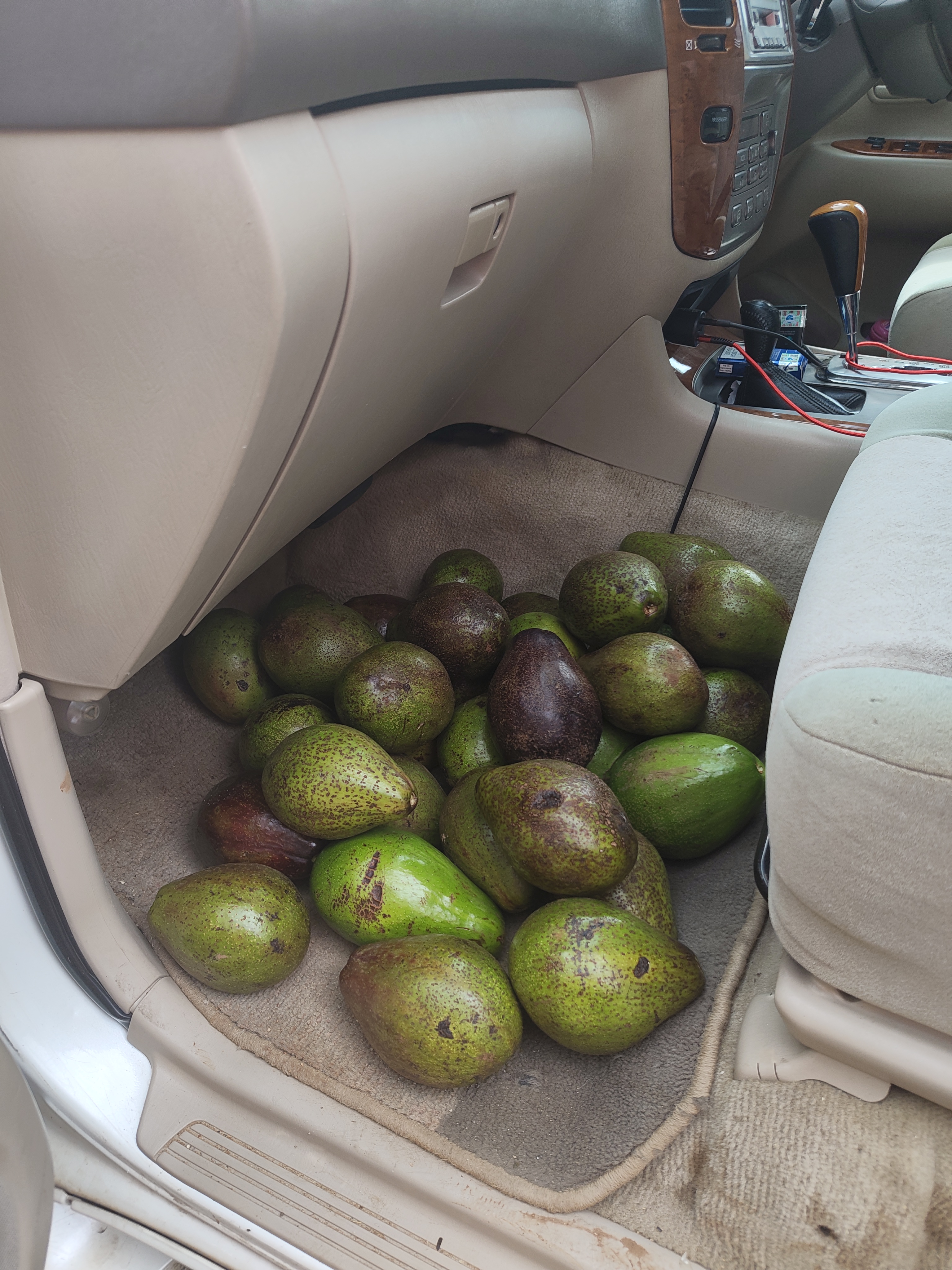
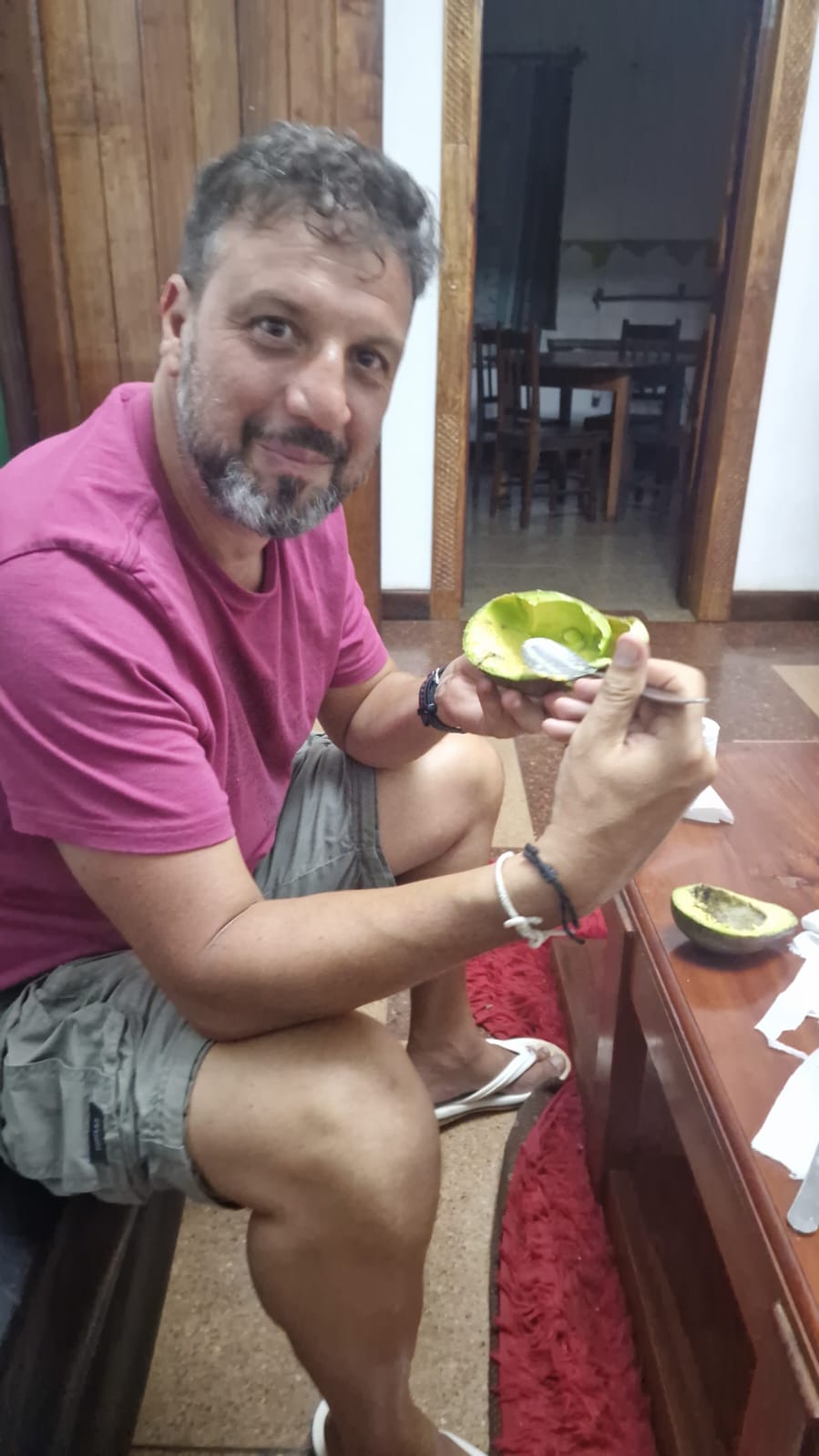
In the villages we pass through, there is an abundance of fruit. We stopped to buy avocado, a full basin for 100 meticais. It's possible we overdid the quantity.
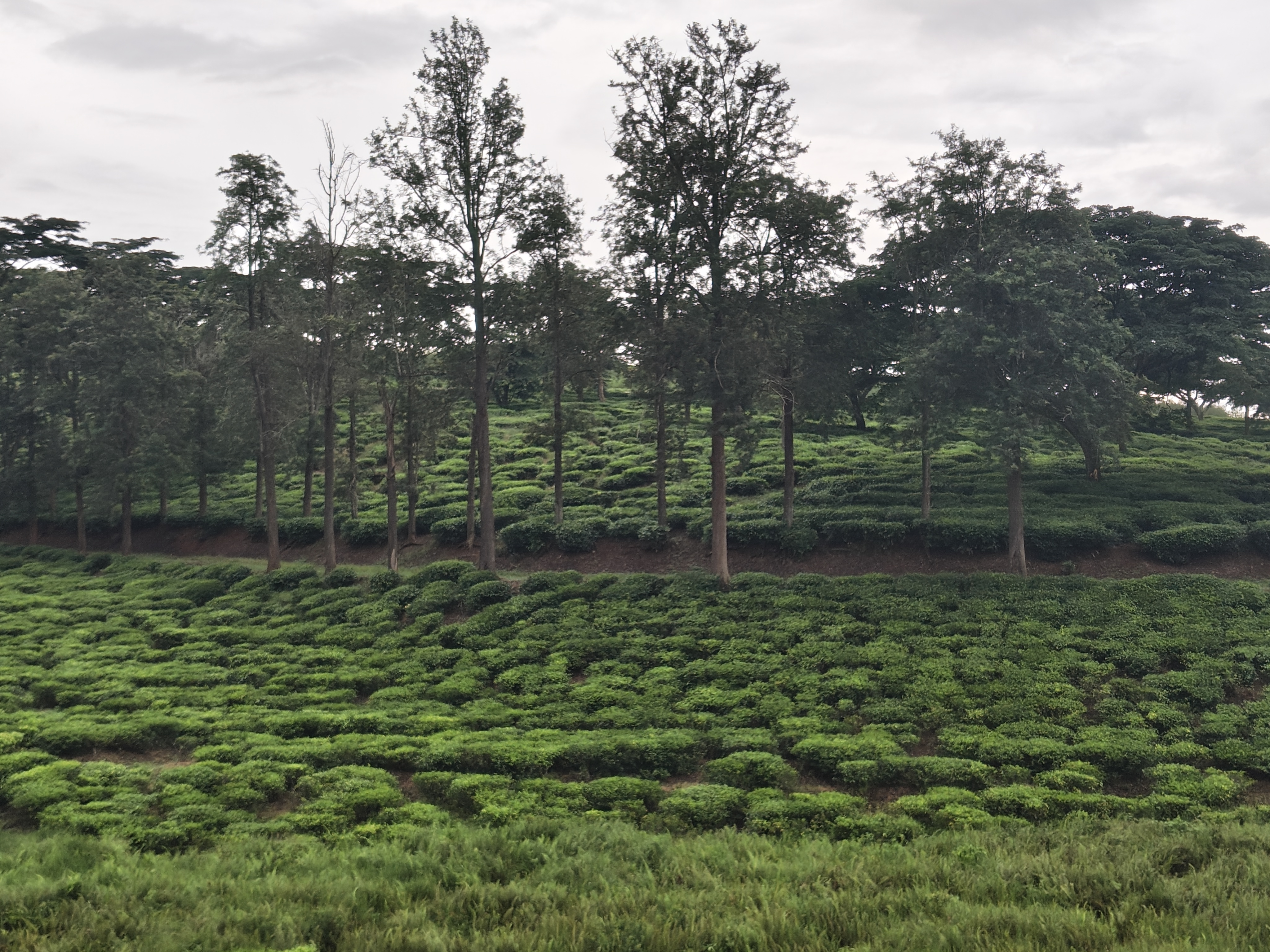
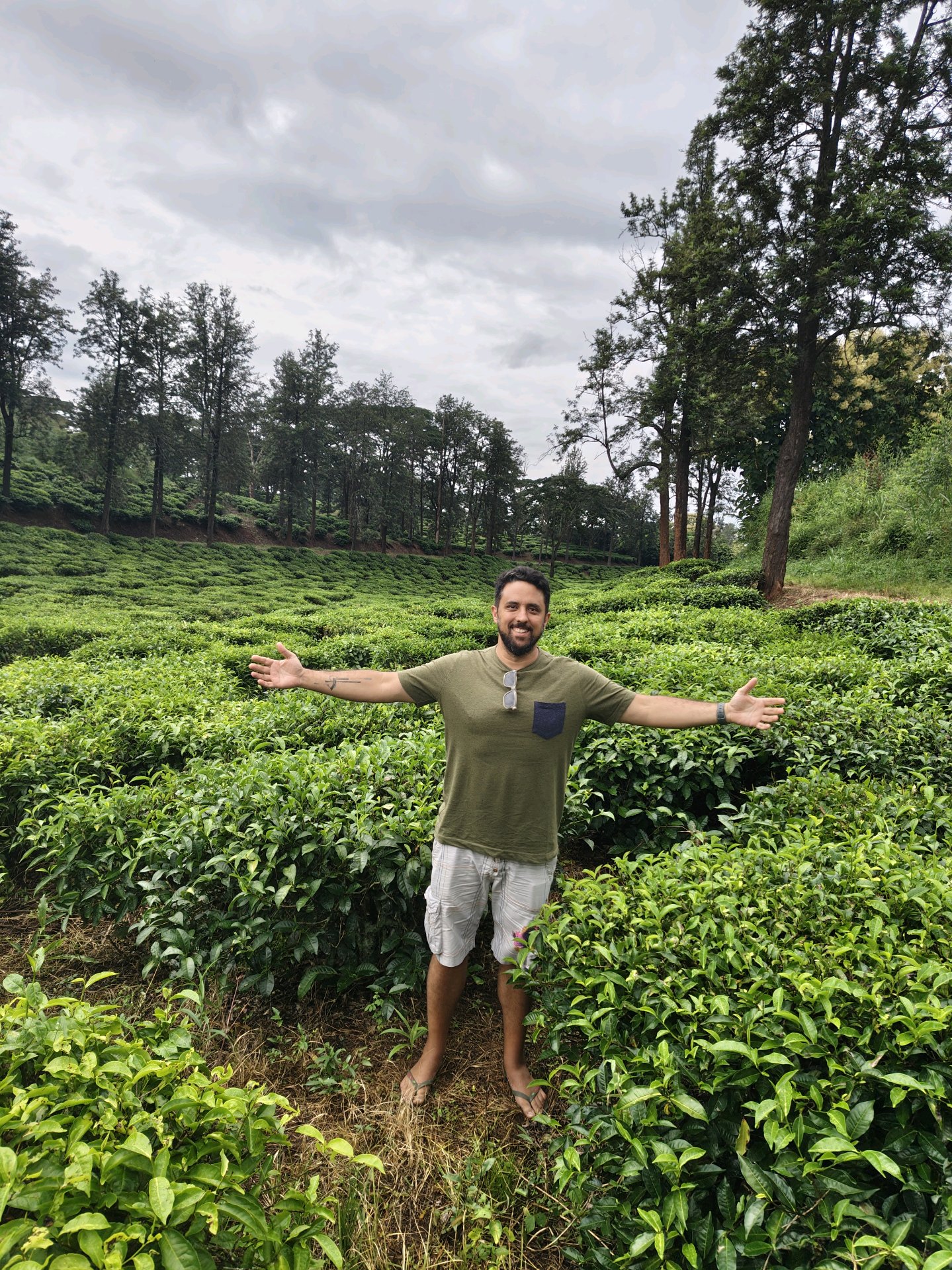
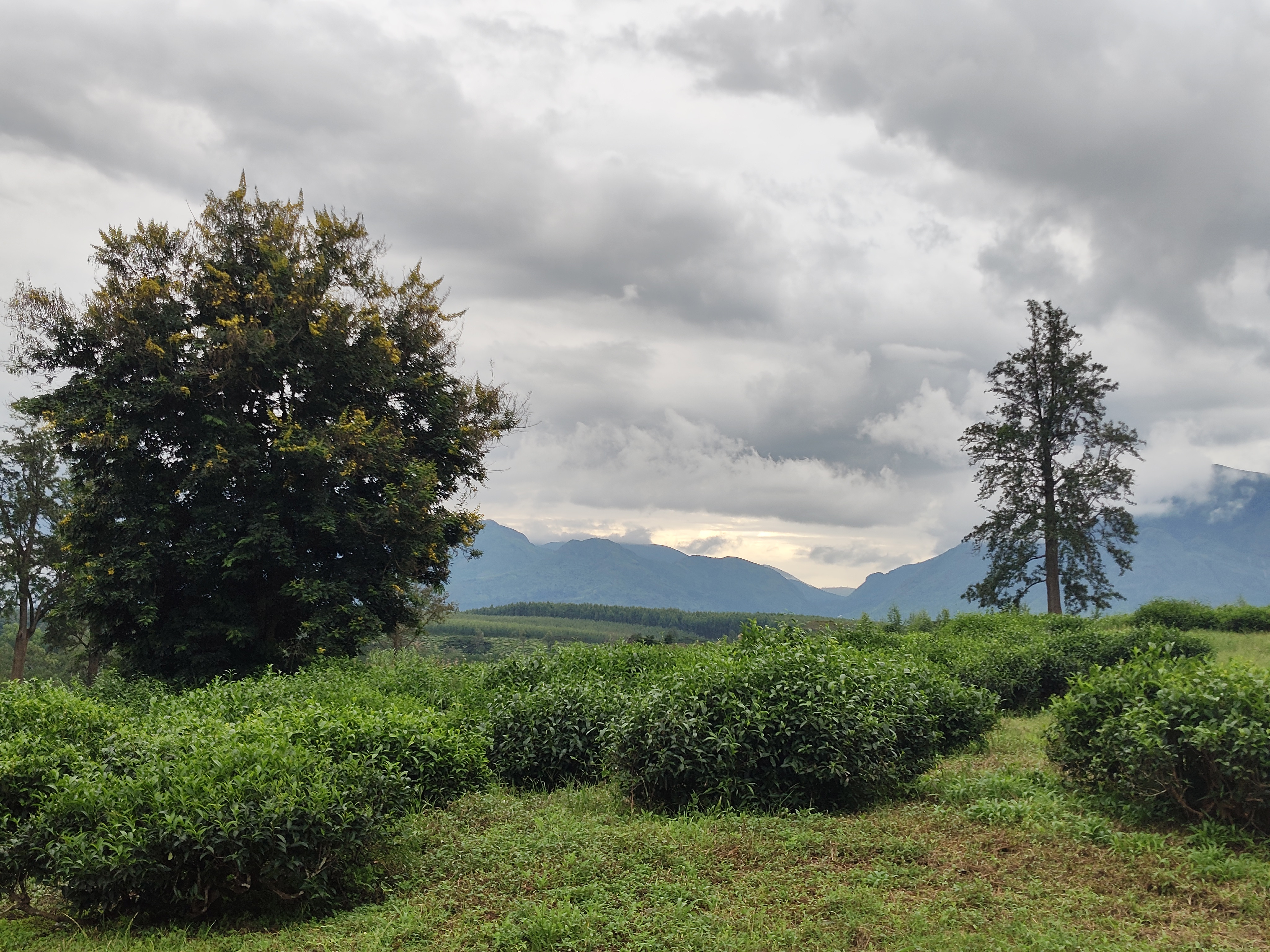
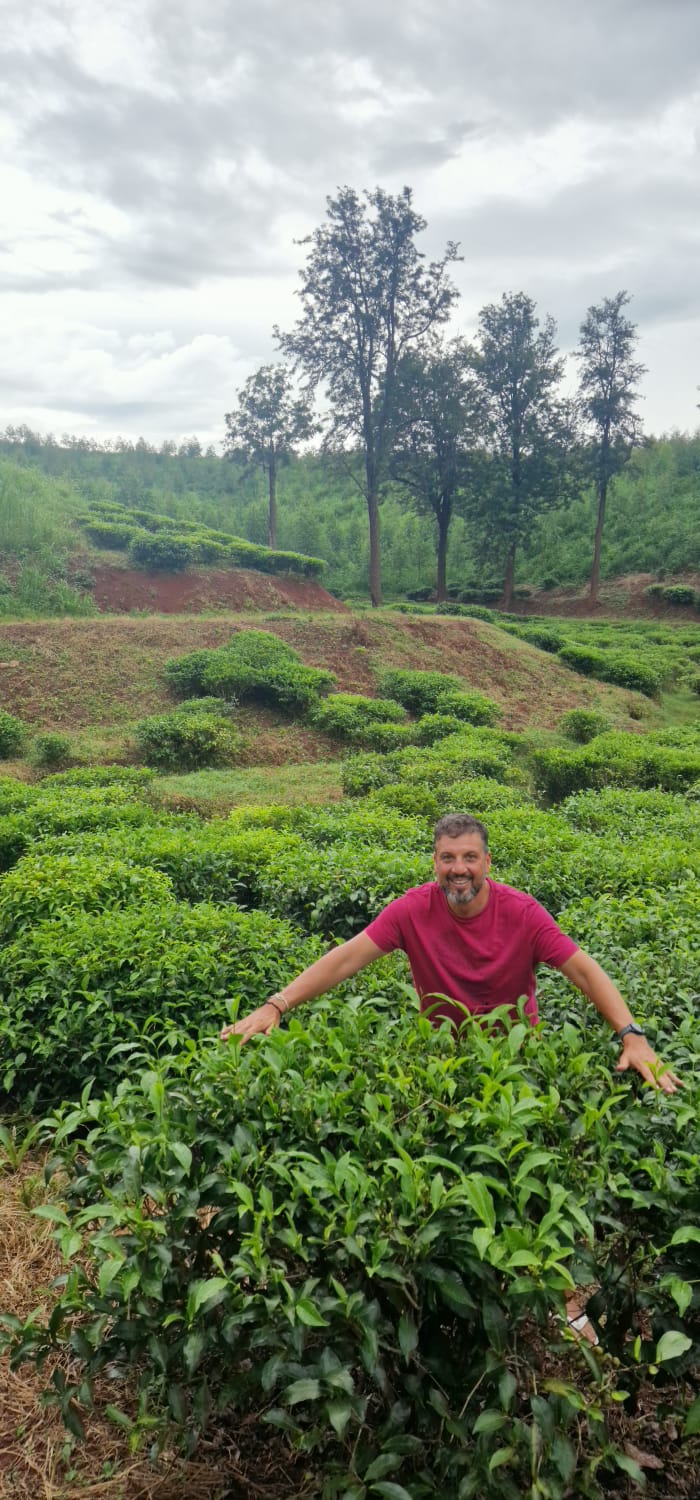
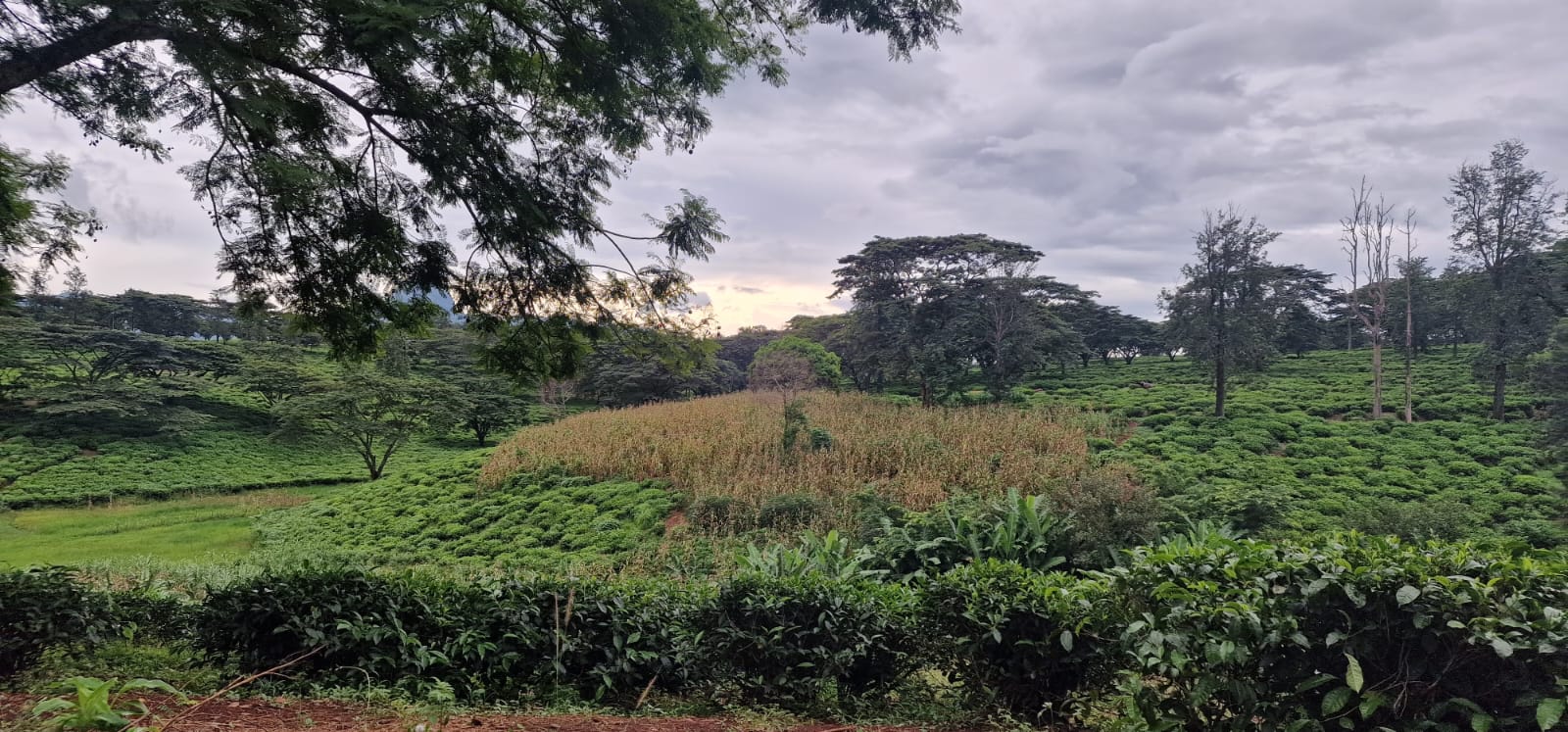
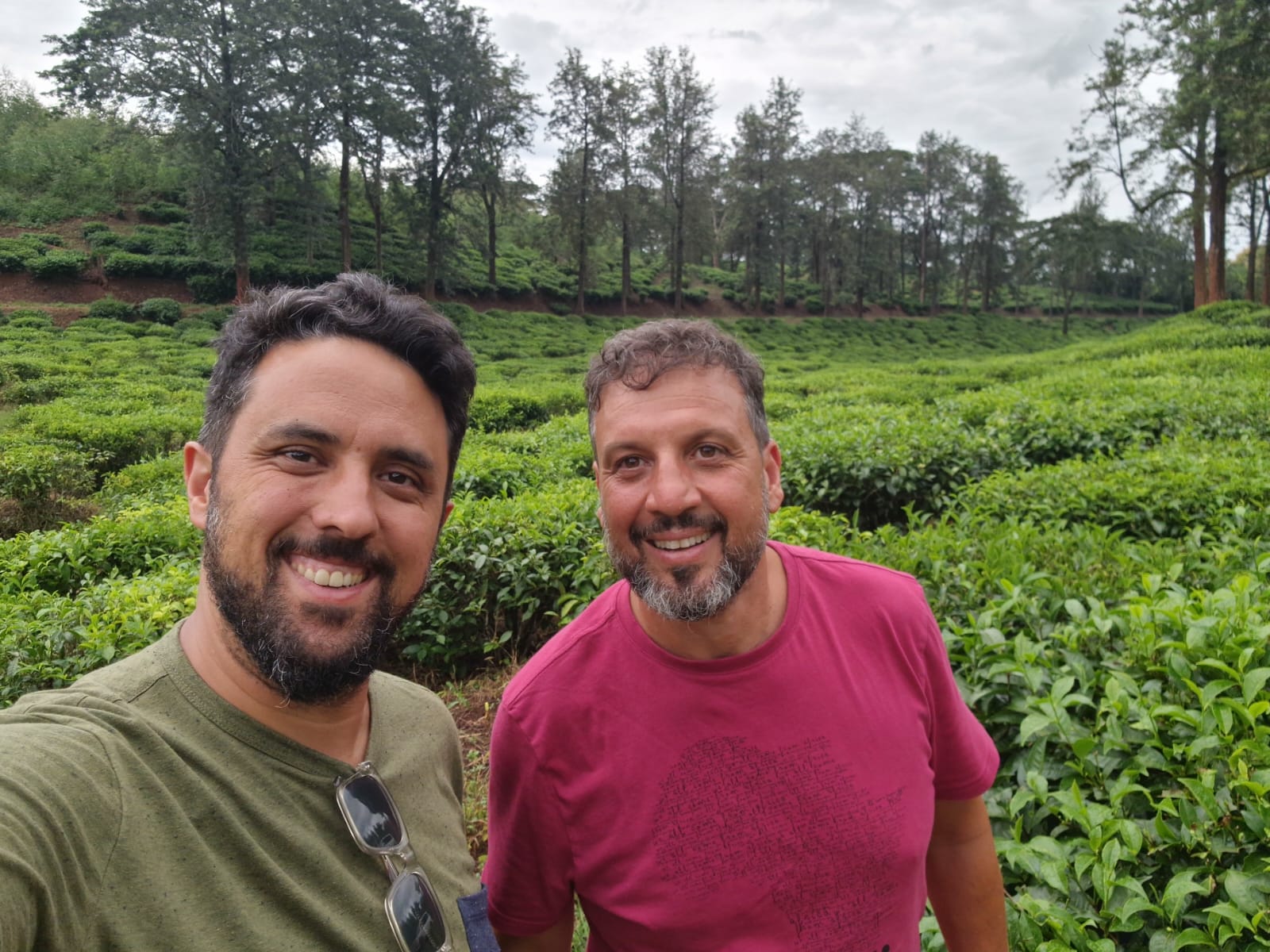
We arrived in Gurué and started seeing the tea plantations. João is, as promised, a great guy, and not only did he invite us for lunch, but he already had a guide to take us to the plantations in the afternoon, Castigo, with a capital C, is his name.
Castigo is 30 years old, he is the ambulance driver for the Gurué hospital and as such knows everyone, or almost everyone.
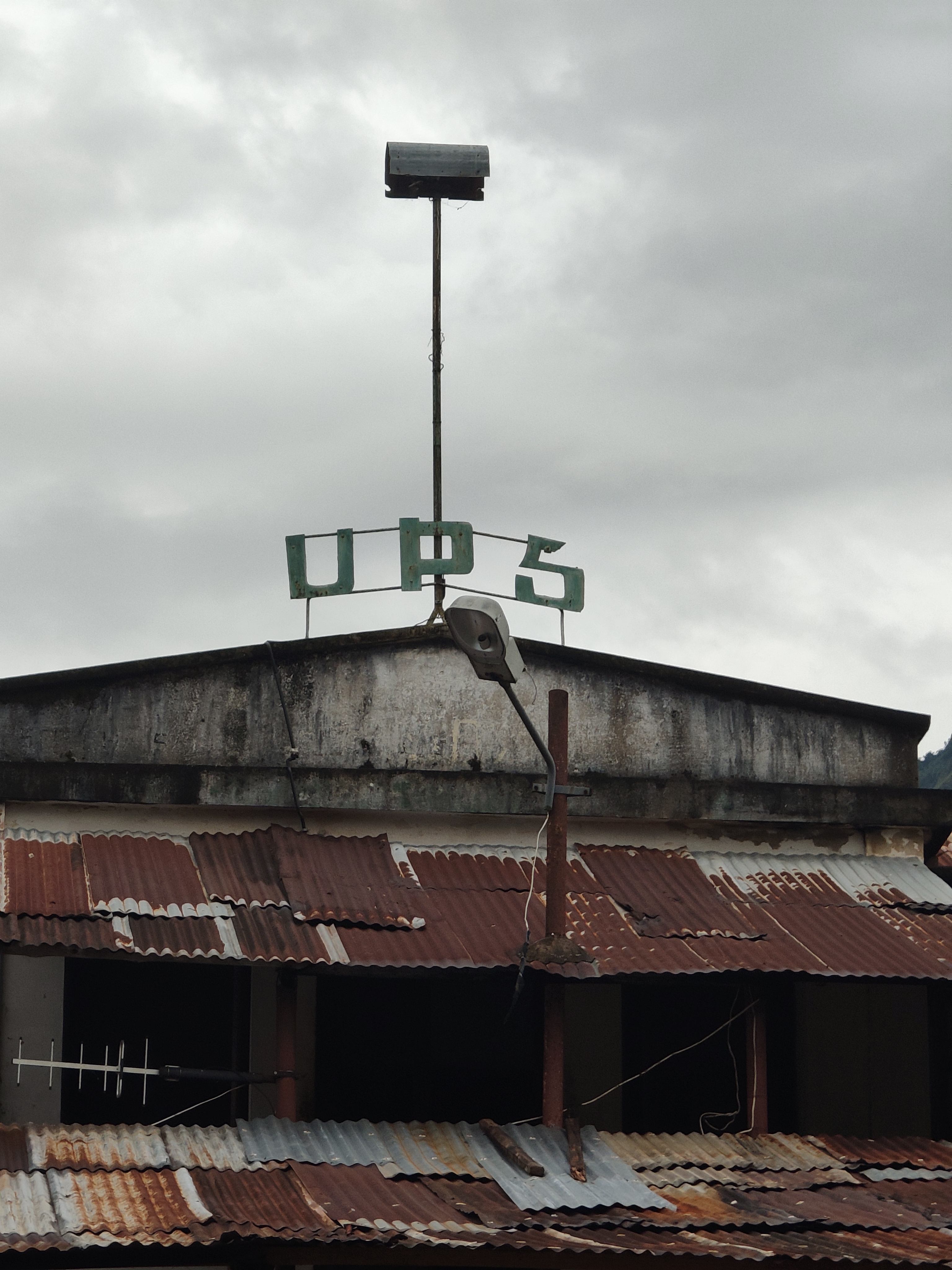
We learned that there are 12 tea production units in Gurué and they are numbered, UP1, UP2, up to UP12. It wasn't like that before, it was during Samora's nationalization that, to simplify things, it became like this. Unfortunately, the UPs (Production Units) became more USPs (Units Without Production) or UPLs (Limited Production Units) over the years.
Nowadays, some are still operating but with less "flame." We visited one that is working, UP6, and one that is stopped, UP5.
At UP6, about 1000 tea pickers are registered, working every day, 7 days a week, 52 weeks a year, and they have to pick 50 kilos of tea daily. This tea is weighed and checked (quality of the picked leaf) and after that, they can go home.
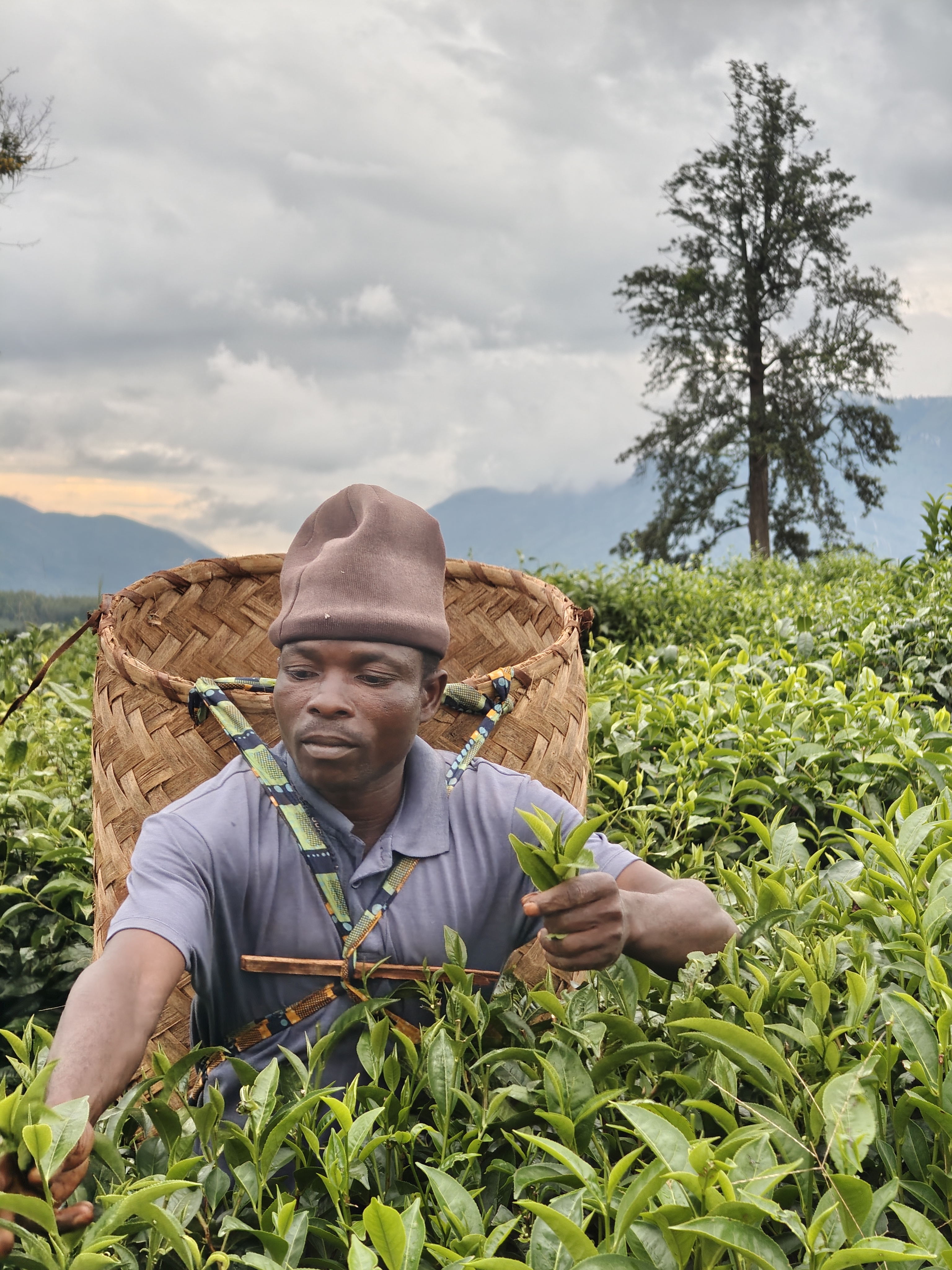
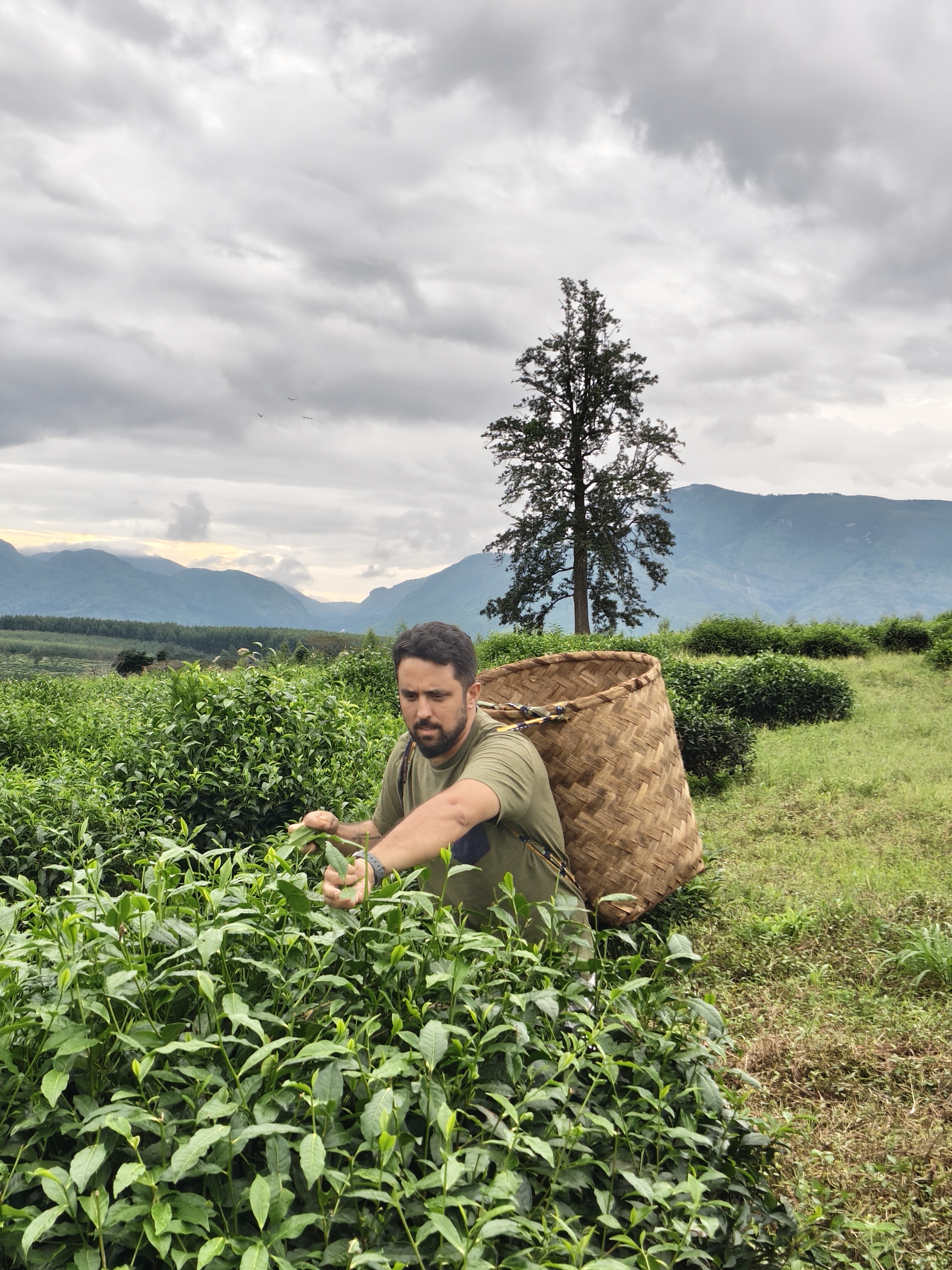
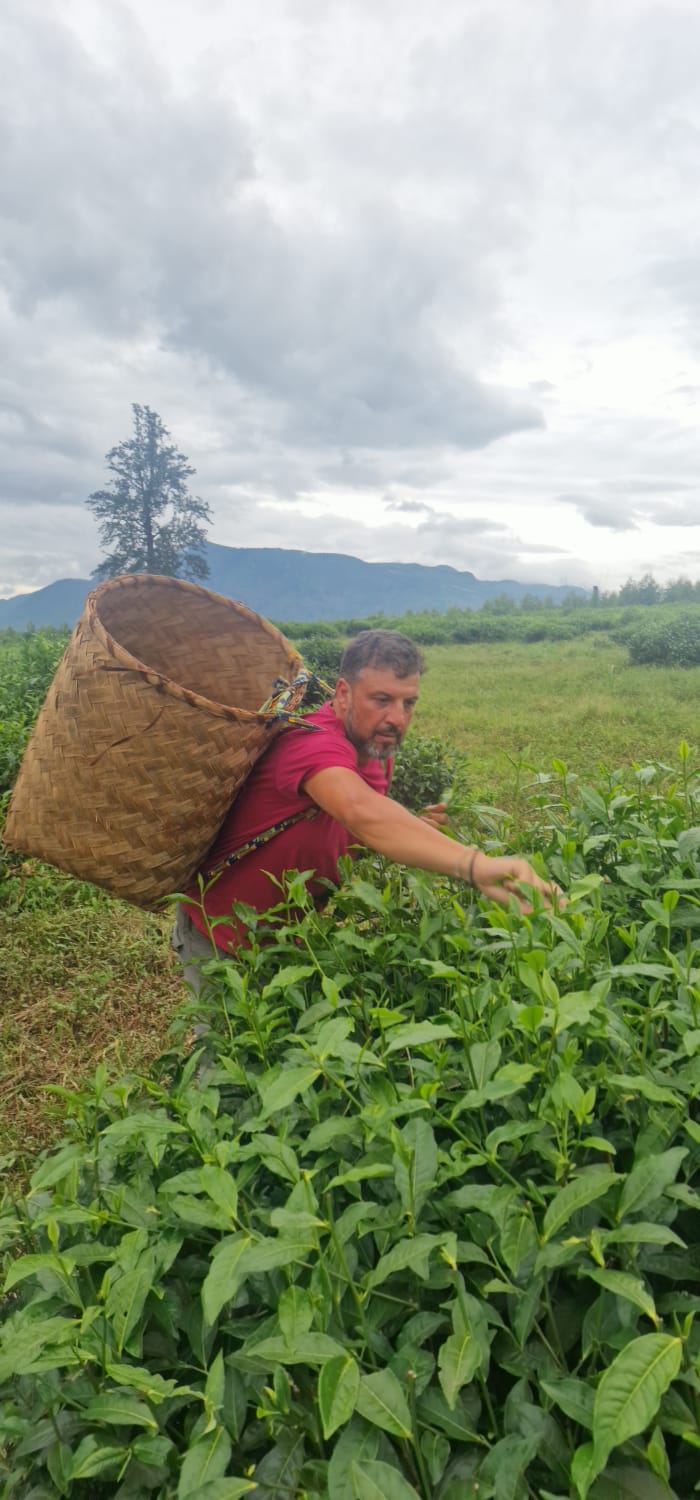
We met two pickers, Evaristo and Carlota, who kindly explained how they pick, and let us take some tourist photos with the basket on our backs.
Evaristo was with his wife and two children; when we gave him 100 meticais for his kindness and patience, he got emotional and was very grateful, after all, he has 3 months of salary overdue, and the salary is 1500 meticais per month.
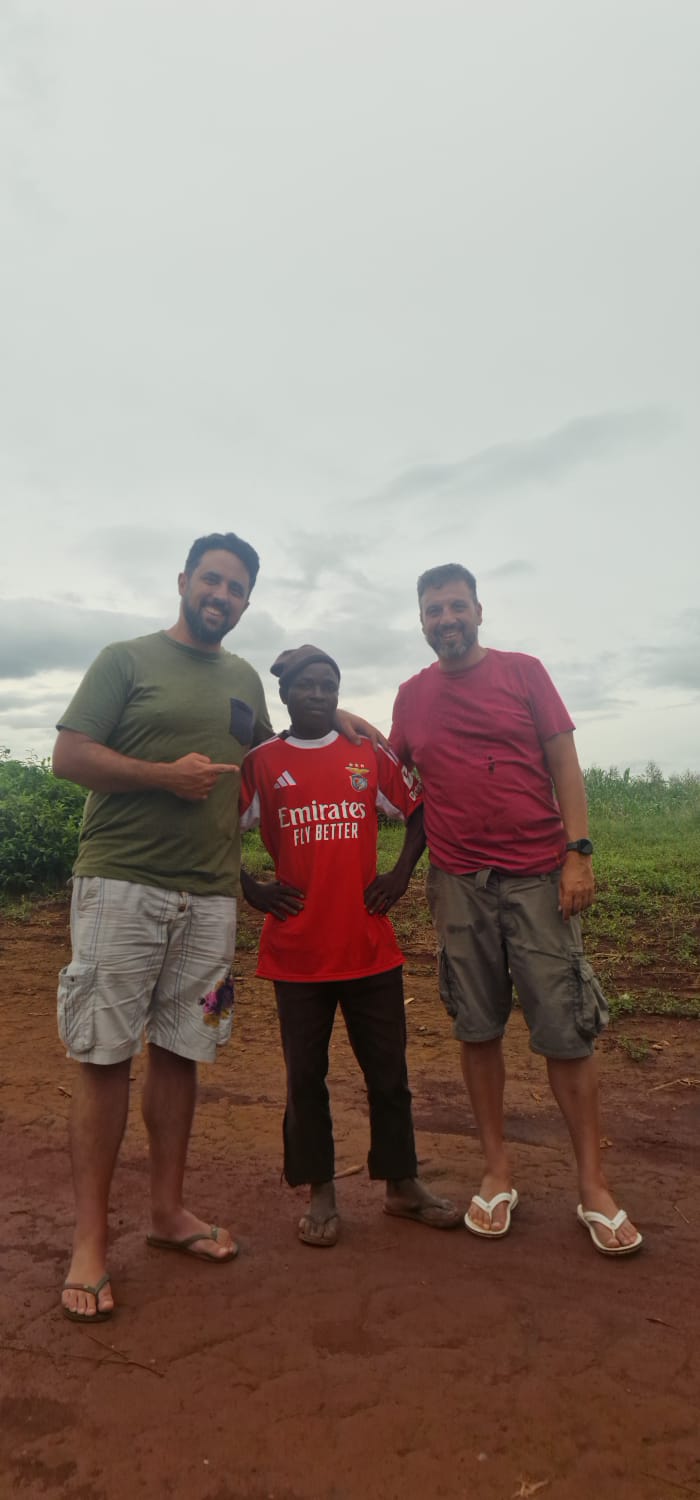
I asked him what his club was, he didn't have one, he said he injured his foot. I clarified, "it's not where you play, one you like to watch," he doesn't watch, he doesn't have a television. "But do you know Benfica?" "Yes, the one with the brown shirt." It wasn't easy to give Evaristo a jersey, I insisted, "but do you know Eusébio?" he didn't know him. Fernando S. pulled out a photo of Eusébio in the glorious red jersey and got a smile from Evaristo. That was it, he got a sacred mantle.
Already dressed in Benfica gear, I told him, "you can sell it, if you need to, you can sell it," "I can't boss, it brings bad luck." I looked at his wife, she confirmed, "he won't sell it."
We left there with a knot in our stomachs. Castigo said, "they will get their overdue salaries and they understand the situation, what can you do!" This sentence didn't end with a question mark, it was just like that.
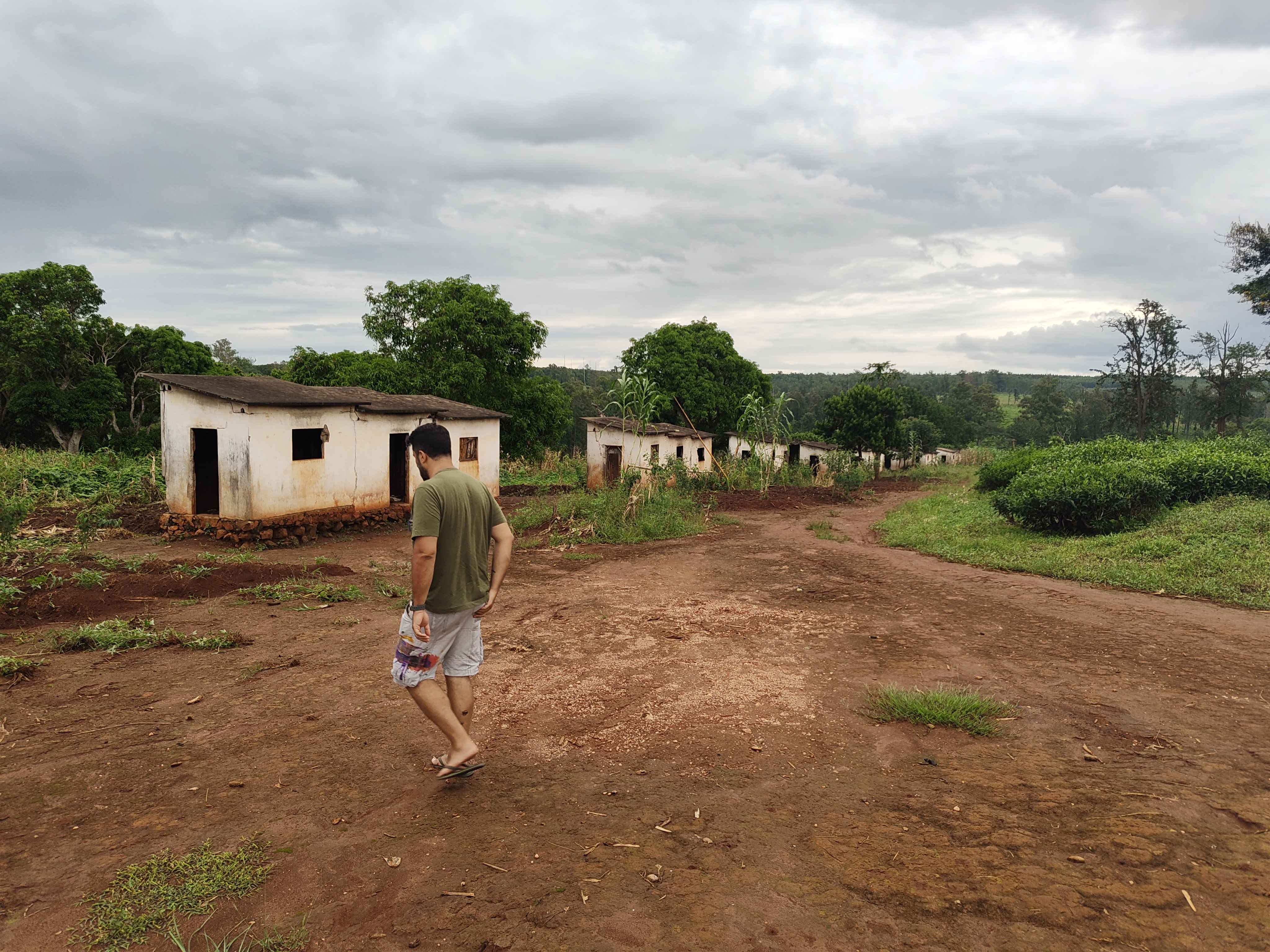
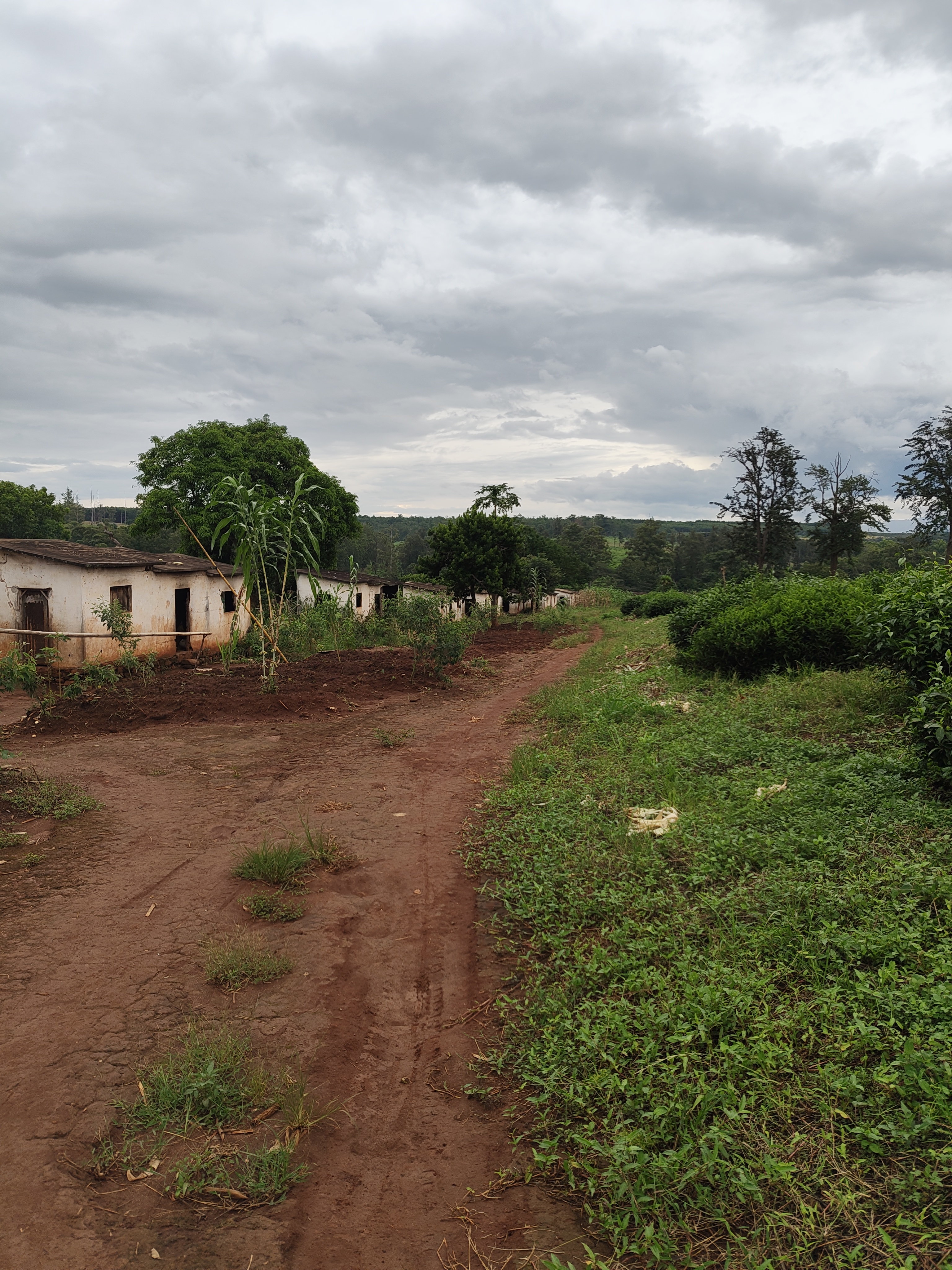
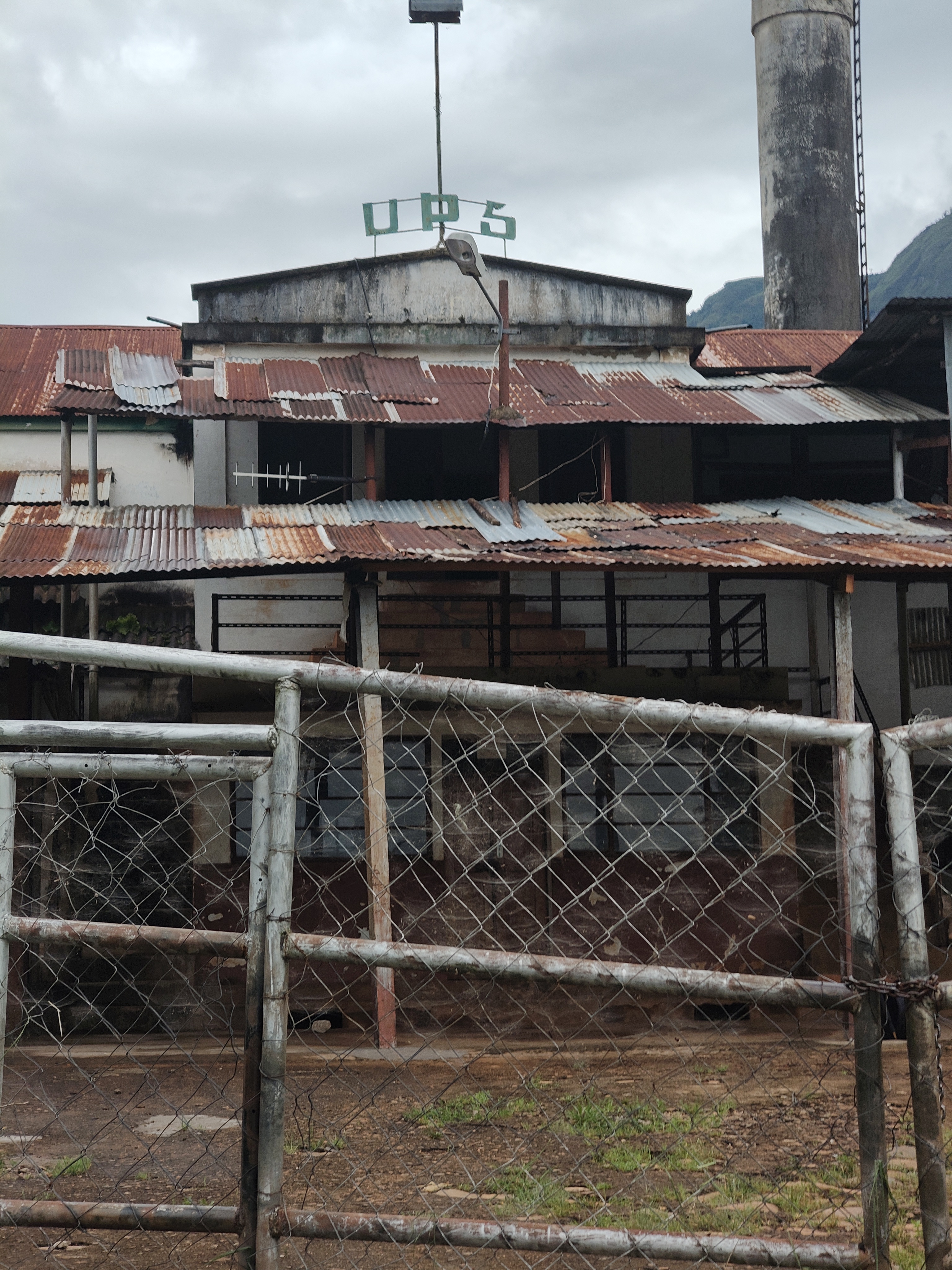
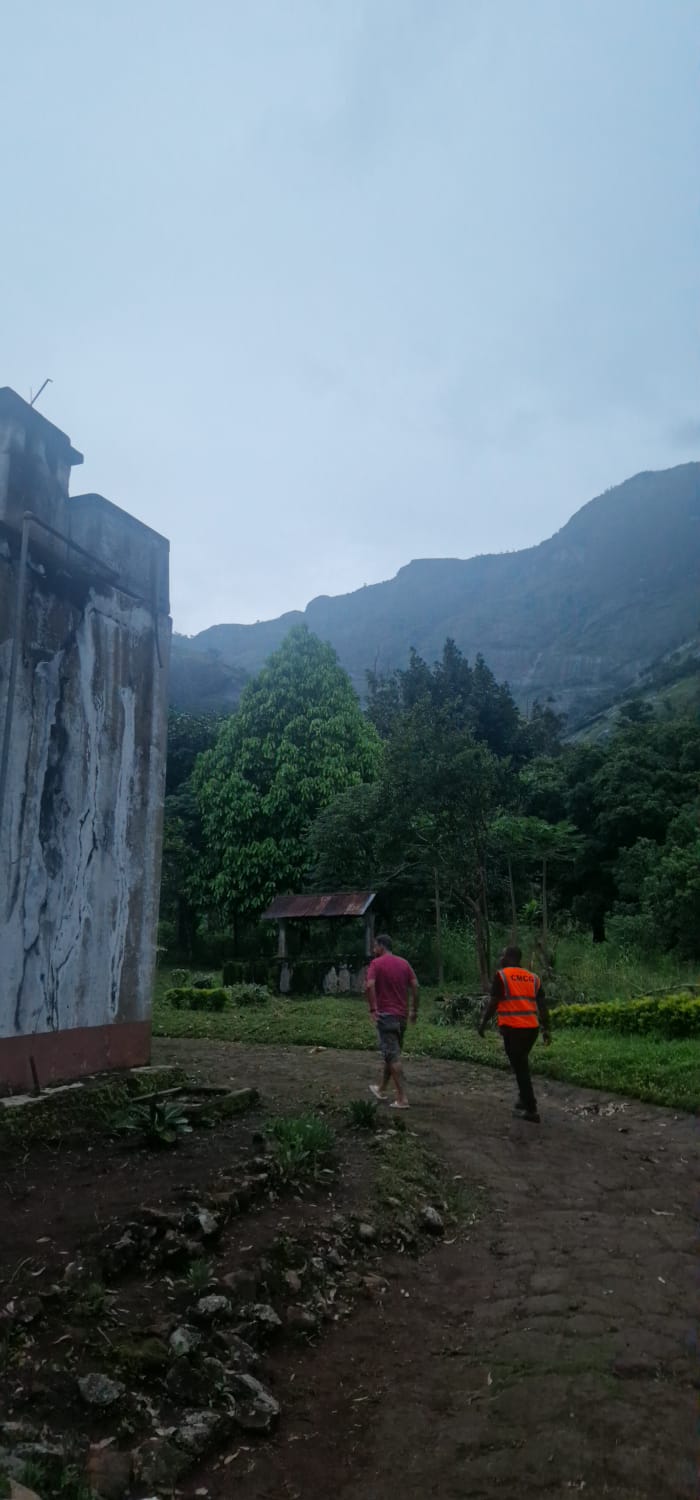
We moved on to UP5, one of the abandoned ones. Clearly Castigo's favorite because it was where his grandfather worked. It was also the original, first farm, founded by Mr. Junqueiro who brought tea and gave Gurué its name, which was called Vila Junqueiro until independence.
UP5 was now abandoned, "but by clearing the bush and pruning the tea trees, it will produce again in 2 weeks," said Castigo, and it was true.
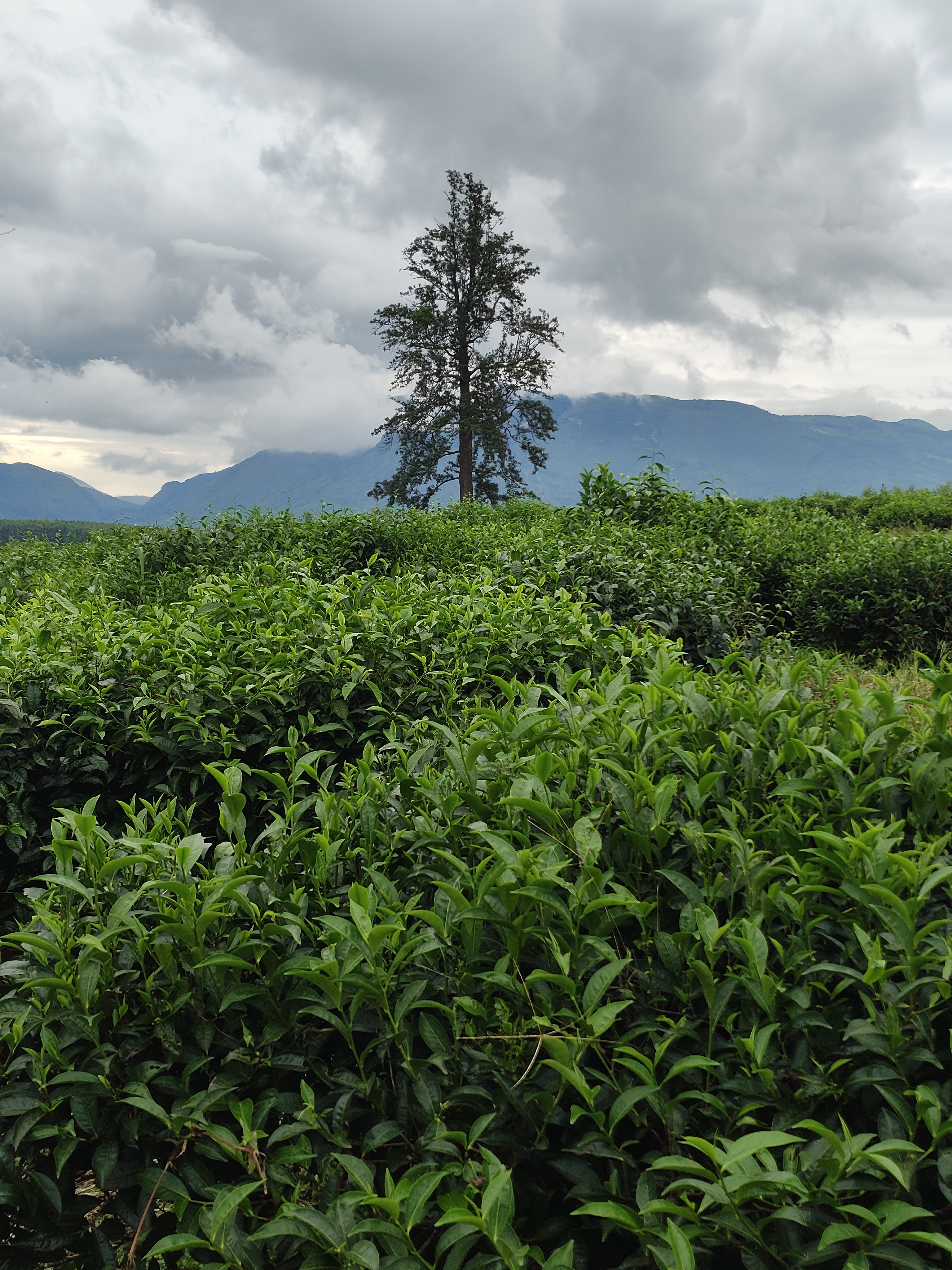
Tea trees, when their leaves are not picked or pruned, grow up to 8 meters. But if they are pruned, they quickly produce again.
Each Production Unit has a factory, which receives the daily picked leaves and dries and grinds them to then be bagged and sold.
UP5's factory looks completely destroyed. Castigo disagrees, "you just need to start over, all the equipment is there."
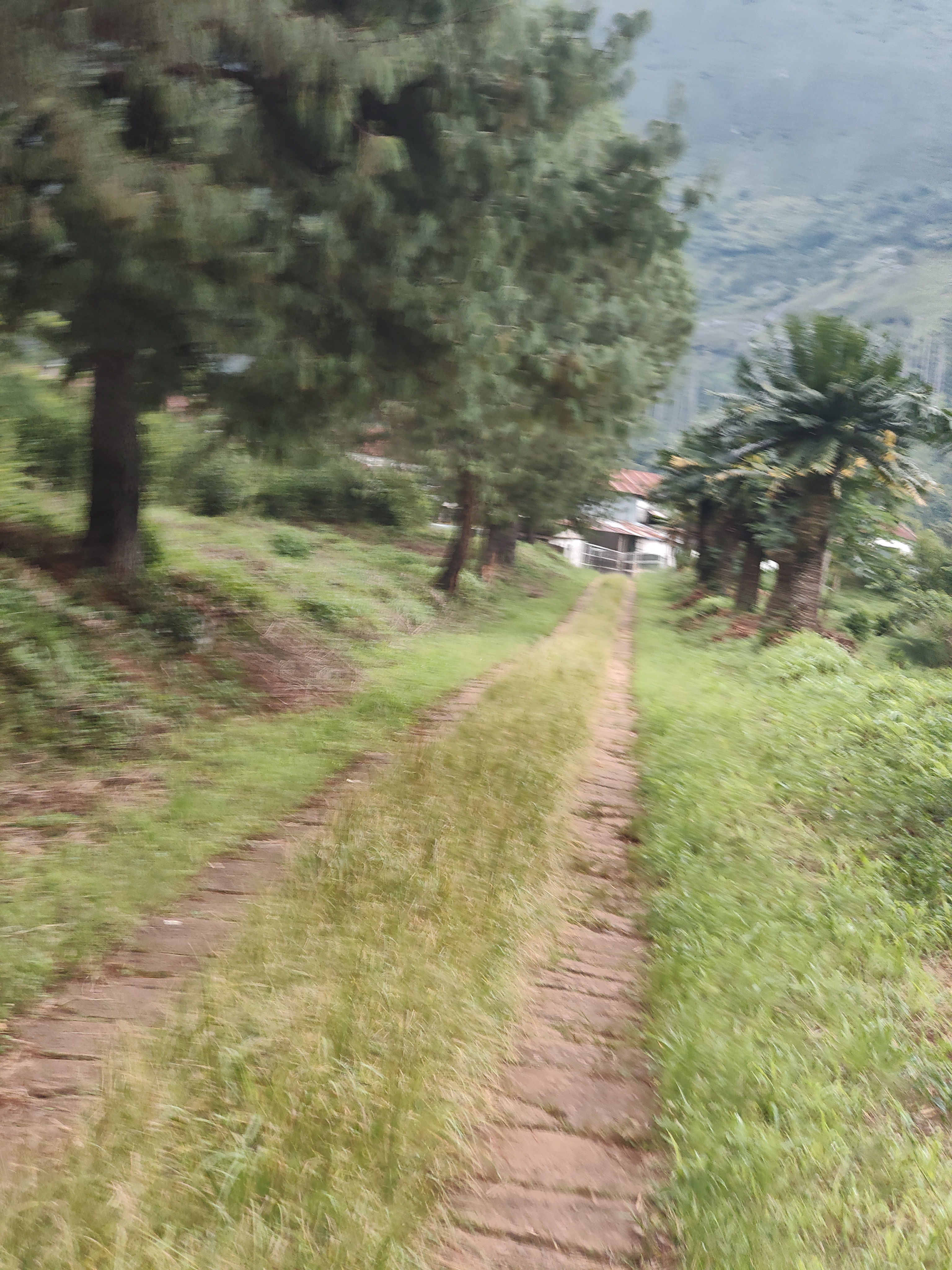
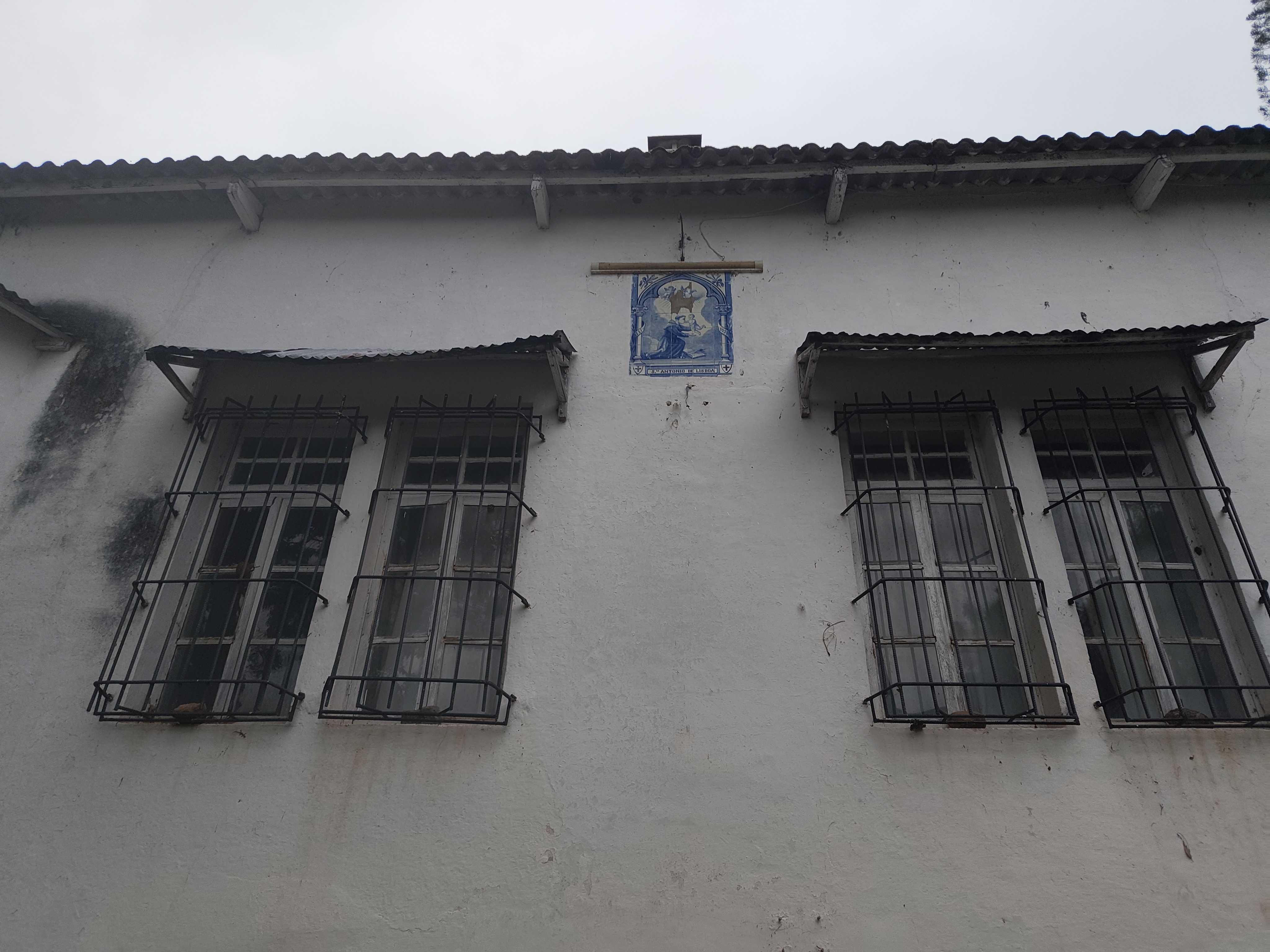
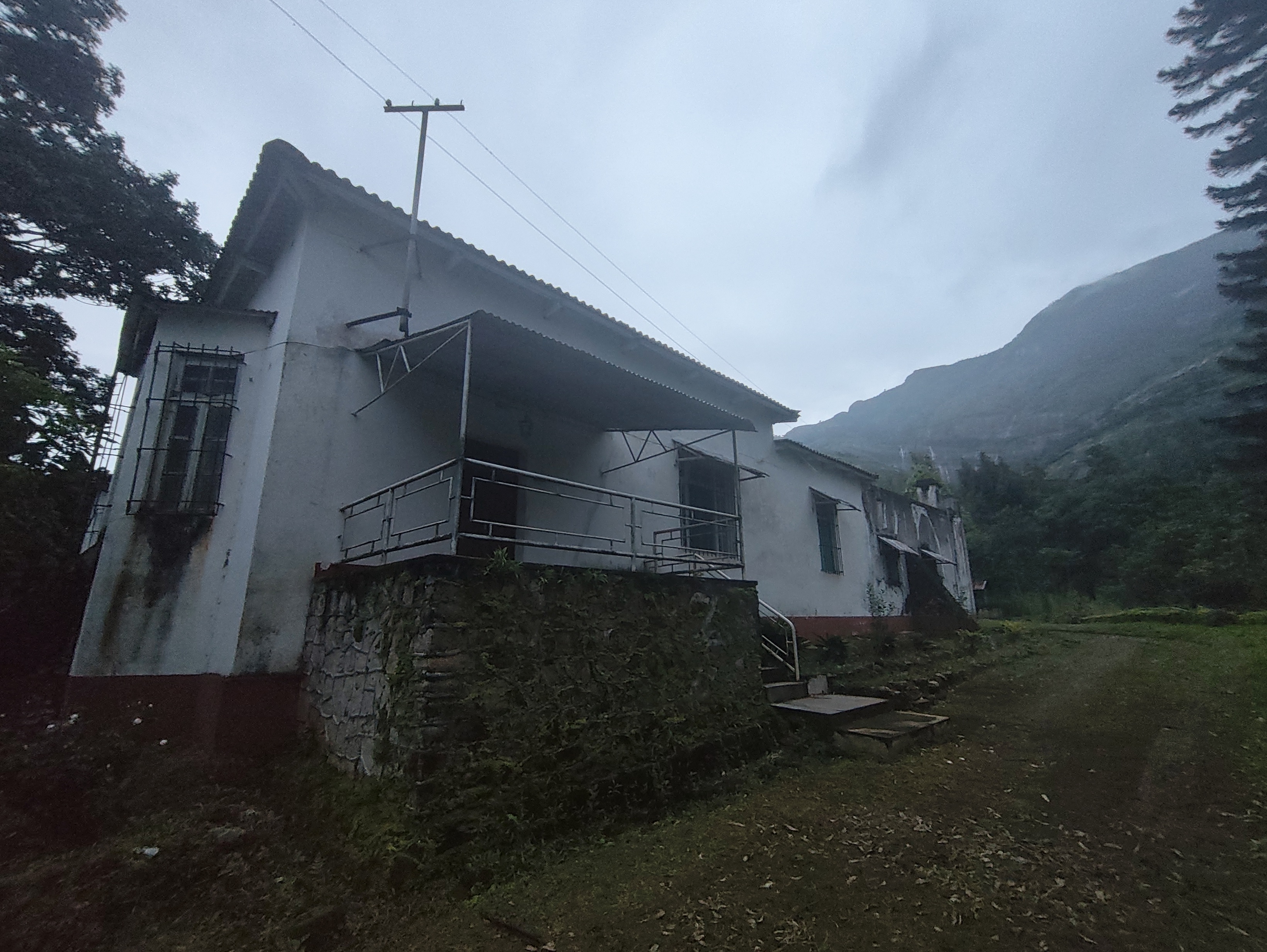
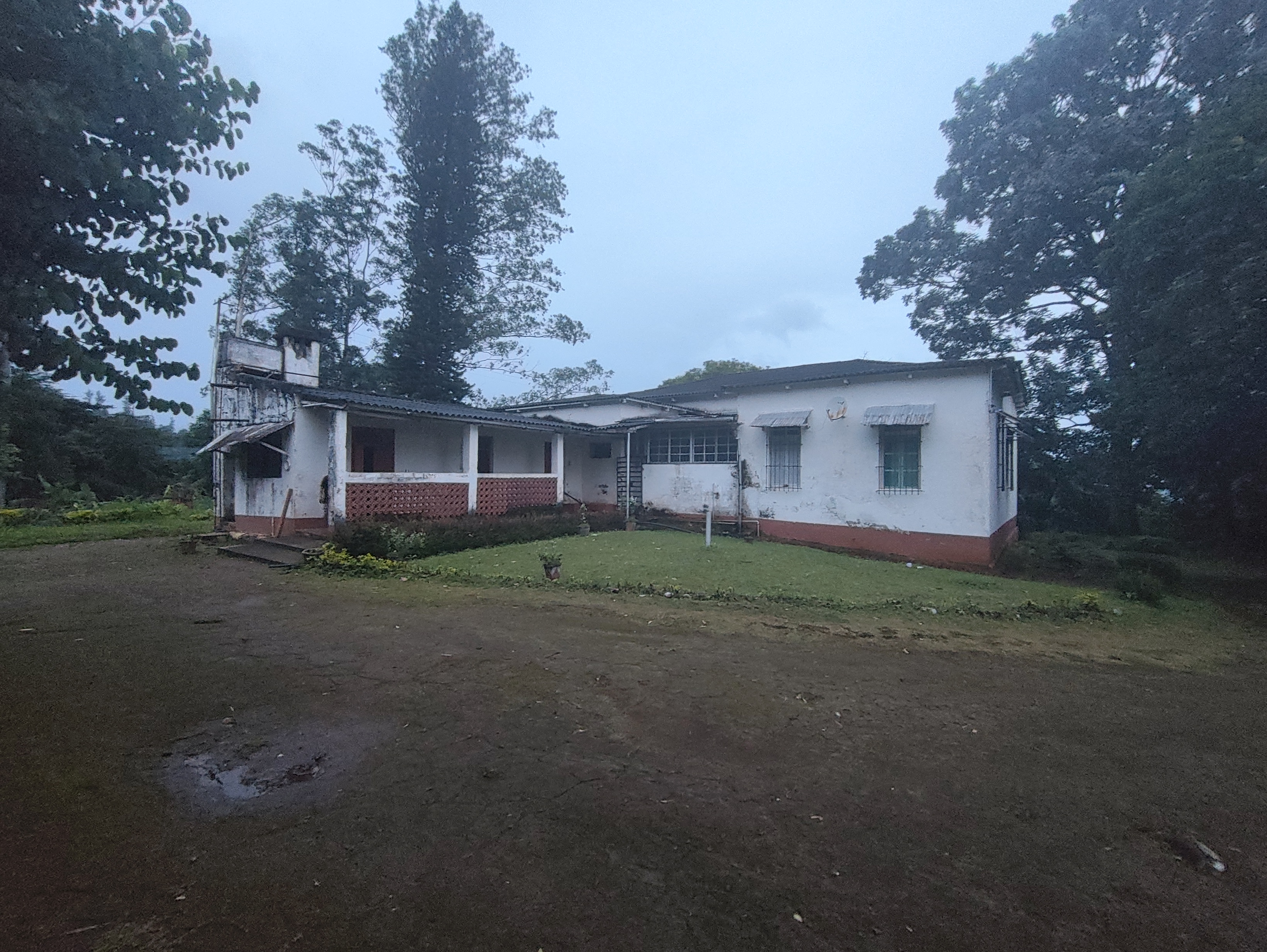
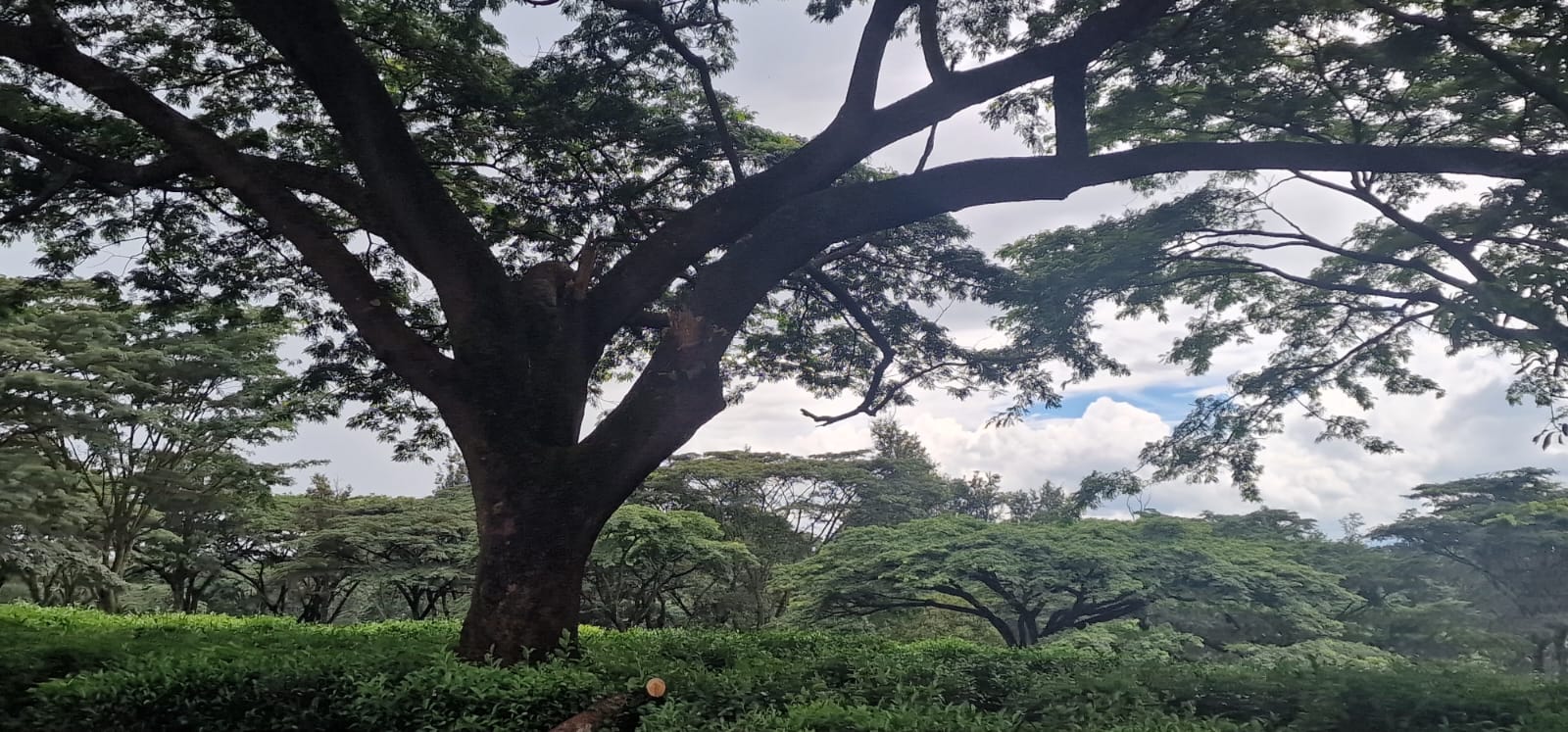
The path through the farm (or UP5) also suffered from the wear and tear of abandonment. UP5 seems endless and inside it has beautiful houses, including Junqueiro's own house in relatively good condition. "Everything is for sale," says Castigo, "but no one has come forward yet," he concludes with some disappointment.
I can't help but do the math, but then I think how I'm going to tell Paula that we're going to live in Gurué. I file that thought away.
"When UP5 was working, it employed over 5000 tea collectors." Unfile... file it away again.
Already on the way to drop off Castigo, he confesses that it's not just the tea collectors who have overdue salaries; he too, who drives the ambulance for the Gurué district hospital, hasn't seen a salary since November, but, like Evaristo and Carlota and another 1000 who work at UP6, he doesn't stop, because every day there are patients to pick up and that is his job.
Na recepção, de véspera, tinham-me dito que o pequeno-almoço começava às 6h00, e lá estávamos os dois, prontos às 6 em ponto.
"Só começamos a servir às 7h00", diz a dona Alzira contrariada. "Esses da recepção falham muito com a comunicação dos horários." Concordei, fazer o quê?
Peço um pouco de Ricoré para ir para o quarto fazer um café. A dona Alzira promete fruta para a viagem.
Descemos passados 15 minutos e ela tem um banquete à nossa espera com frutas, iogurte, ovos, salsicha, batatas fritas... "Não podia deixar-vos ir sem comerem."
Tínhamos 6 horas pela frente até ao Gurué. Queríamos chegar às 13h00 para almoçarmos com o João, amigo do Pedro que estava à nossa espera.
Passámos numa terra quentinha com um número fora do comum de crianças com a camisola do Benfica, era Cazuzu, fica o registo para investigar futuramente este fenómeno.
Parados duas vezes pela polícia mas sem perder muito tempo, estava tudo em ordem, com uma ligeira tentativa de confusão porque a minha carta, sendo dos Emirados, não me qualificava para dirigir em Moçambique, mas passou-lhe com um "olhe que não" e um sorriso.
Depois de sair da N1, a estrada para o Gurué tem paisagens extraordinárias. As formações rochosas de Nampula continuam por ali, mas maiores e mais verdes. A terra é mais vermelha, e as casas são quase todas feitas de tijolo de barro.
Vamos subindo. Estamos próximos do Monte Namúli, o segundo maior de Moçambique com 2400 metros de altitude.
Nas aldeias por onde vamos passando há abundância de fruta. Parámos para comprar abacate, uma bacia cheia por 100 meticais. É possível que tenhamos exagerado na quantidade.
Chegámos ao Gurué e começámos a ver as plantações de chá. O João é, como prometido, um porreiraço, e não só nos convida para almoçar como tinha já um guia para nos levar às plantações da parte da tarde, o Castigo, com letra maiúscula, é o nome dele.
O Castigo tem 30 anos, é o motorista da ambulância do hospital do Gurué e como tal conhece toda a gente, ou quase.
Percebemos que existem 12 unidades de produção de chá no Gurué e são numeradas, UP1, UP2, até à UP12. Não era assim antes, foi na nacionalização do Samora que, para facilitar, a coisa ficou assim. Infelizmente, as UPs (Unidades de Produção) passaram a ser mais USPs (Unidades Sem Produção) ou UPLs (Unidades de Produção Limitada), ao longo dos anos.
Hoje em dia há algumas ainda a funcionar mas com menos "chama". Visitámos uma a funcionar, a UP6, e uma que está parada, a UP5.
Na UP6 estão registados cerca de 1000 apanhadores de chá, que trabalham todos os dias, 7 dias por semana, 52 semanas por ano, e têm de apanhar 50 quilos de chá diariamente. Esse chá é pesado e verificado (qualidade da folha apanhada) e depois disso podem ir para casa.
Conhecemos dois apanhadores, o Evaristo e a Carlota, que gentilmente nos explicaram como fazem a apanha, e nos deixaram tirar umas fotos de turista com a cesta às costas.
O Evaristo estava com a mulher e dois filhos, quando lhe demos 100 meticais pela sua amabilidade e paciência, emocionou-se ficando muito agradecido, afinal tem 3 meses de salário em atraso, e o salário é de 1500 meticais por mês.
Perguntei-lhe qual era o seu clube, não tinha, disse que se lesionou num pé. Eu clarifiquei, "não é onde jogas, um que gostas de assistir", não assiste, não tem televisão. "Mas conheces o Benfica?", "Sim, aquele que tem camiseta castanha." Não estava a ser fácil dar uma camisola ao Evaristo, insisti, "mas conheces o Eusébio?", não conhecia. O Fernando S. puxa de uma fotografia do Eusébio com a camisola vermelha do glorioso e saca um sorriso ao Evaristo. Pronto, chegava, ganhou um manto sagrado.
Já vestido à Benfica disse-lhe, "podes vender, se precisares podes vender", "não posso patrão, dá má sorte." Olhei para a esposa, ela confirmou, "não há-de vender."
Saímos dali agarrados ao estômago. O Castigo dizia, "eles hão-de receber os salários em atraso e compreendem a situação, fazer o quê!" Esta frase não terminava em ponto de interrogação, era assim.
Avançámos para a UP5, uma das abandonadas. Claramente a favorita do Castigo pois foi onde trabalhou o avô. Era também a quinta original, a primeira, fundada pelo senhor Junqueiro que trouxe o chá e deu nome ao Gurué, que se chamou Vila Junqueiro até à independência.
A UP5 estava agora abandonada, "mas limpando o mato e podando as árvores do chá, em 2 semanas volta a produzir", dizia o Castigo, e era verdade.
As árvores do chá quando não se apanham as folhas nem são podadas crescem até 8 metros. Mas se forem podadas voltam a produzir rapidamente.
Cada Unidade de Produção tem uma fábrica, que recebe as folhas apanhadas diariamente e as seca e mói para depois serem ensacadas e vendidas.
A fábrica da UP5 parece completamente destruída. O Castigo não concorda, "basta recomeçar, todo o equipamento está lá."
O caminho pela quinta (ou UP5) também sofreu o desgaste do abandono. A UP5 parece interminável e lá dentro tem casas lindíssimas, entre as quais a casa do próprio Junqueiro em relativo bom estado de conservação. "Está tudo à venda", diz o Castigo, "mas ainda ninguém avançou", conclui com algum desgosto.
Não consigo evitar de fazer contas, mas depois penso como é que vou dizer à Paula que vamos viver para o Gurué. Arquivo esse pensamento.
"Quando a UP5 funcionava empregava mais de 5000 colectores de chá." Desarquiva... arquiva outra vez.
Já a caminho de deixar o Castigo ele confessa que não são só os colectores de chá que têm salário em atraso, também ele, que conduz a ambulância do hospital distrital do Gurué, não vê salário desde Novembro, mas, tal como o Evaristo e a Carlota e outros 1000 que trabalham na UP6, ele não pára, porque todos os dias há doentes para ir buscar e esse é o seu trabalho.