Gorongosa — Greg Carr, João the Paleontologist and the Pangolins
Gorongosa — O Greg Carr, o João Paleontólogo e os Pangolins
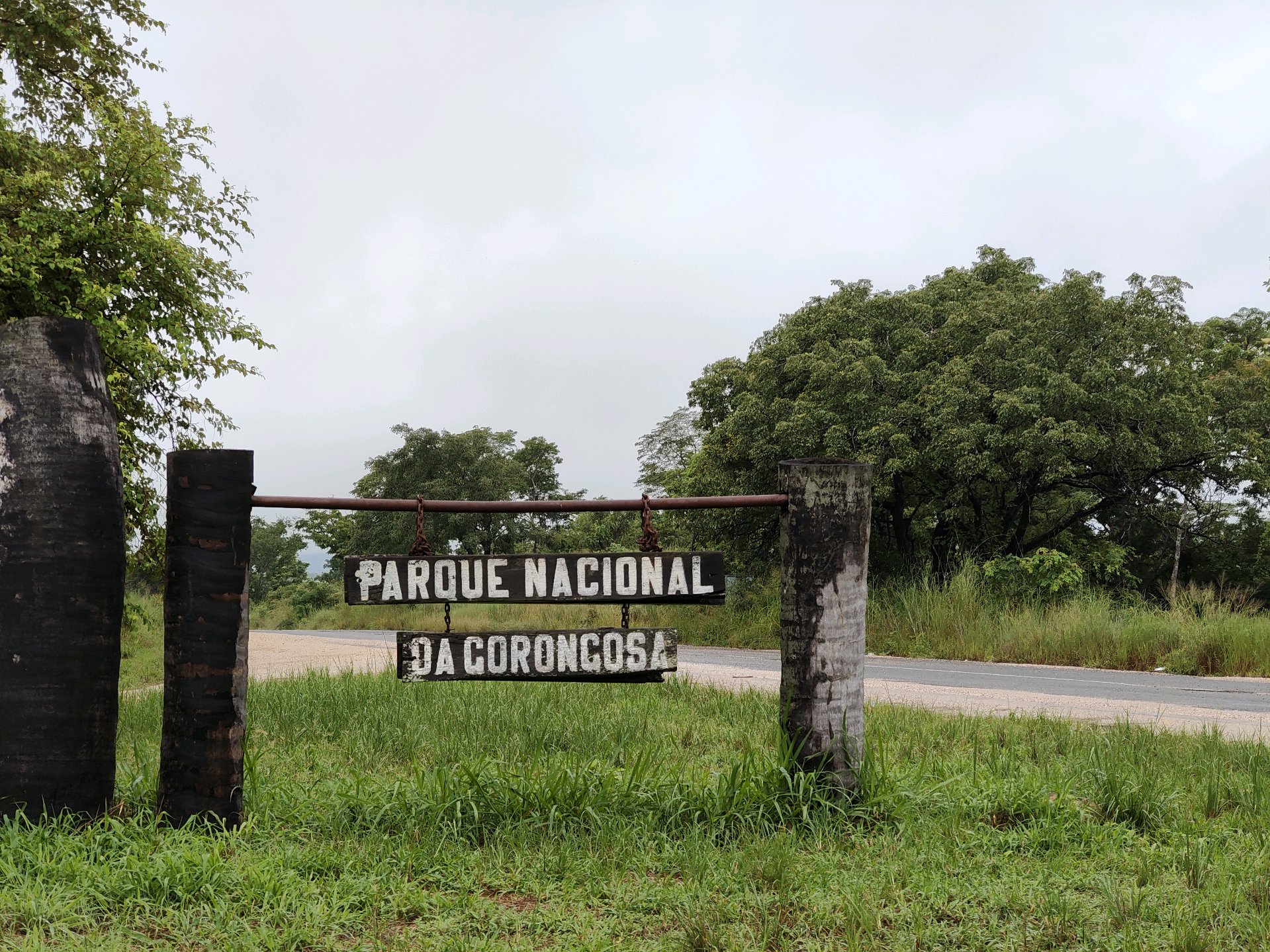
📍 Parque Nacional da Gorongosa, MoçambiqueToday was the day to finally visit Gorongosa National Park. I had heard stories and passed nearby a few times, the first being in December 1999 on a chapa heading to Machipanda, but I had never actually gone in.
I knew it had been destroyed during the civil war and that most of the wildlife had died or fled. I also knew that about 20 years ago an American philanthropist had taken over the park's concession and was doing deep rehabilitation work. I have been following Greg Carr ever since I learned about him, the American millionaire who made his fortune inventing the answering machine and then fell in love with Gorongosa and decided to make its recovery his life's purpose.
Before we left the hotel, I noticed on social media that Ana Maria was in Gorongosa. I sent her a message. "Yes, I'm here with Dani, Matilde, Winnie and Lizel." The five of them were working on a project with the park, a coincidence that made our day even more exciting, because we went from being tourists and Mussiro representatives to being the only tourists, Mussiro representatives and friends of the "Big 5," as they had already been nicknamed by one of the park's HR team members.
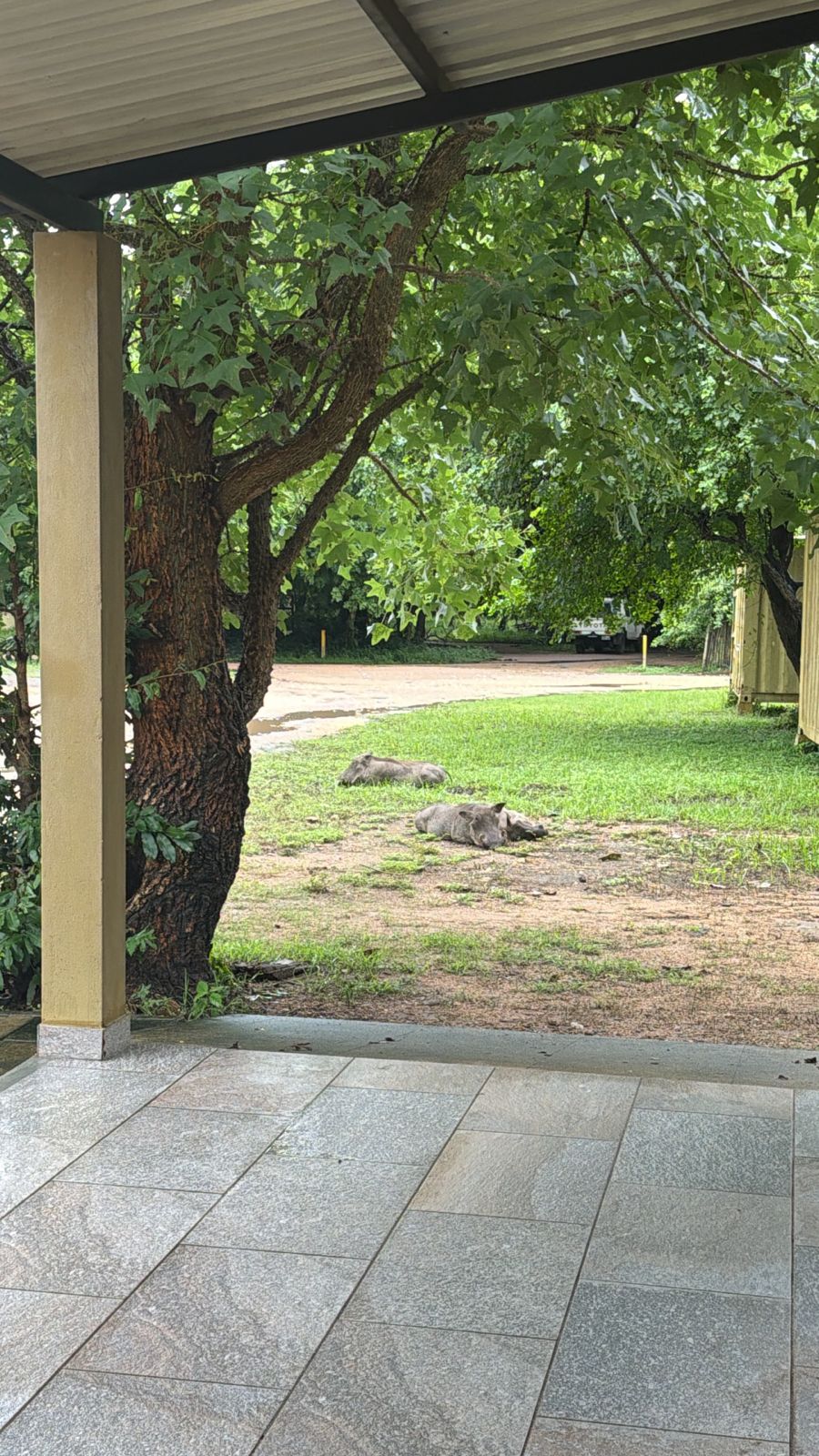
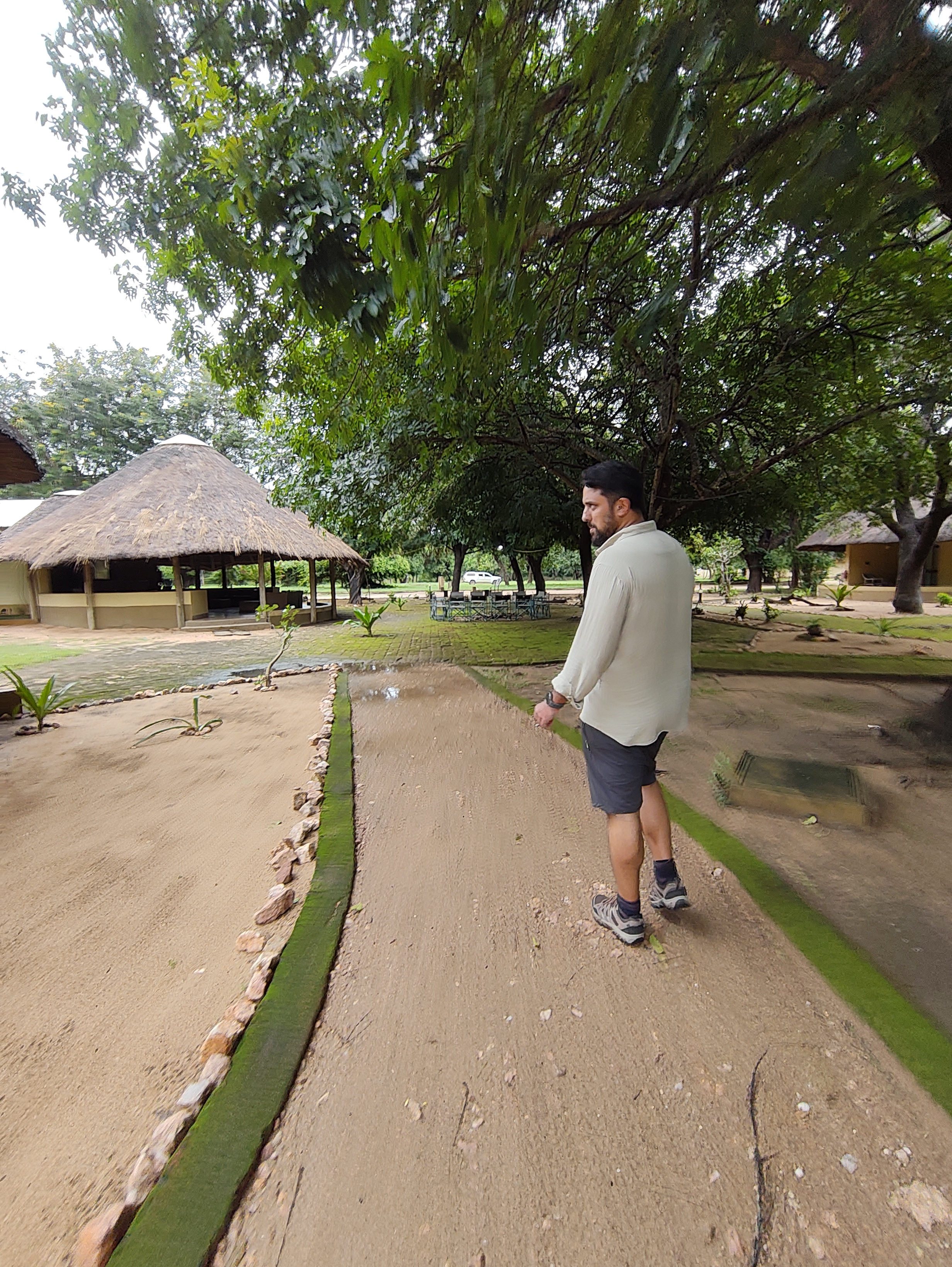
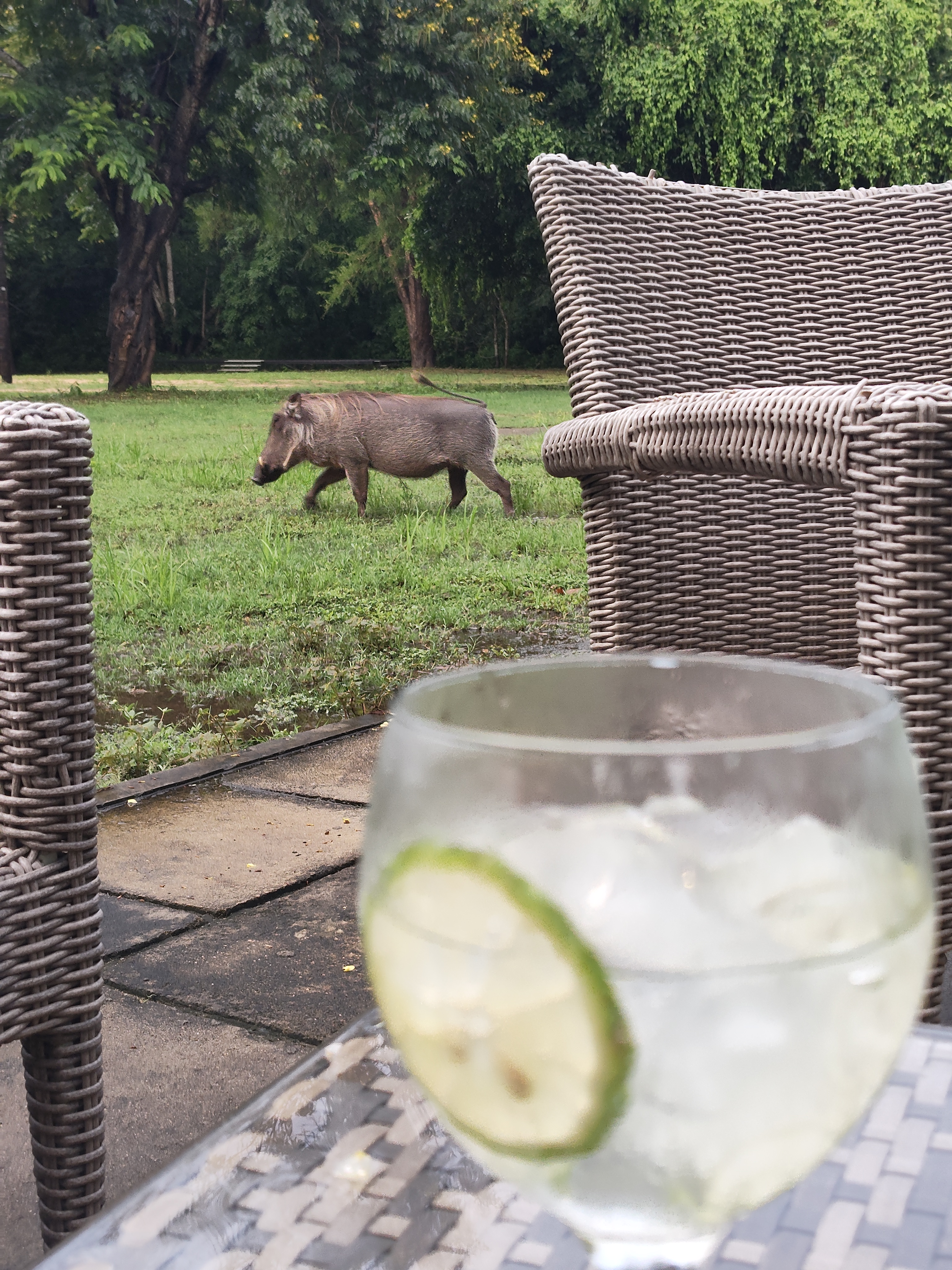
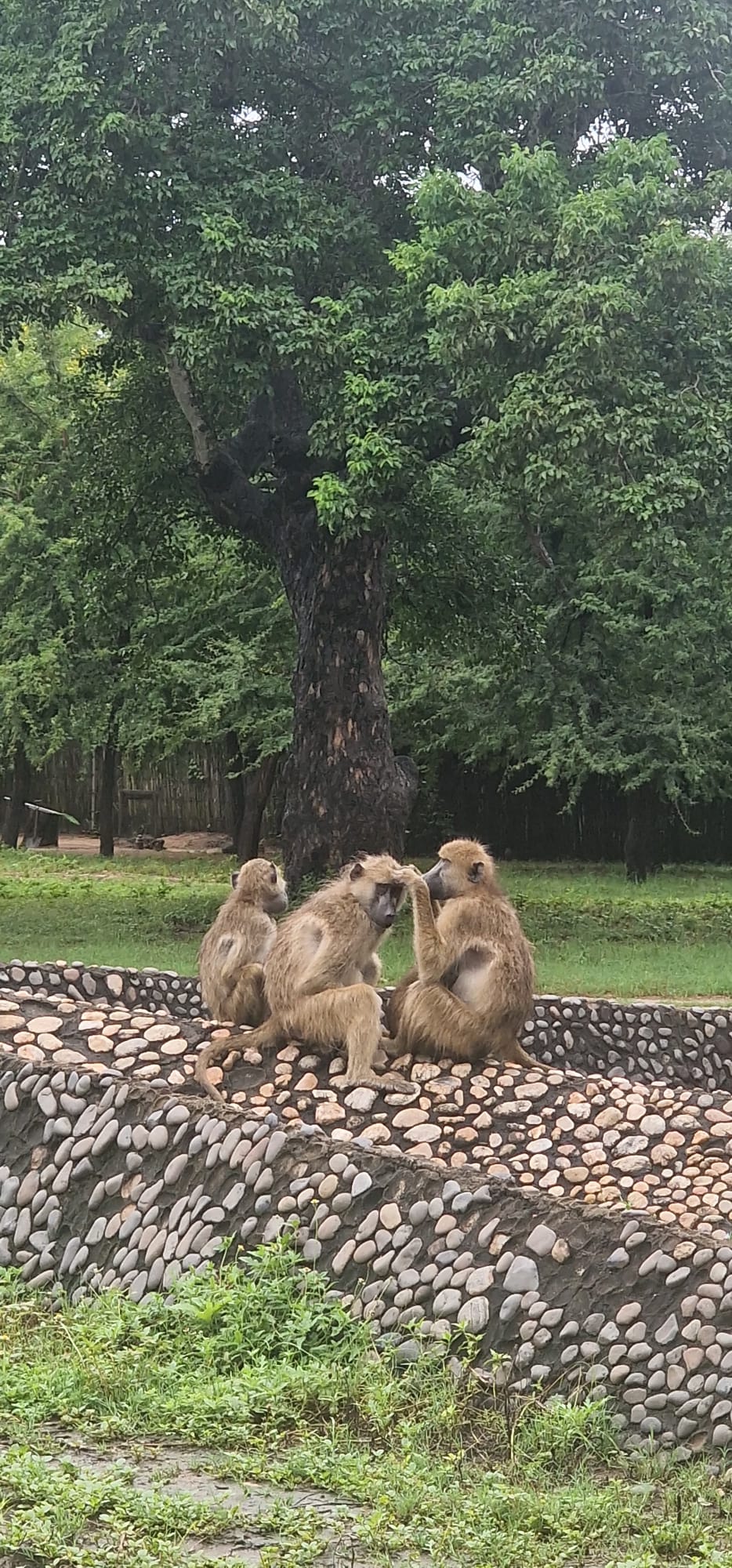
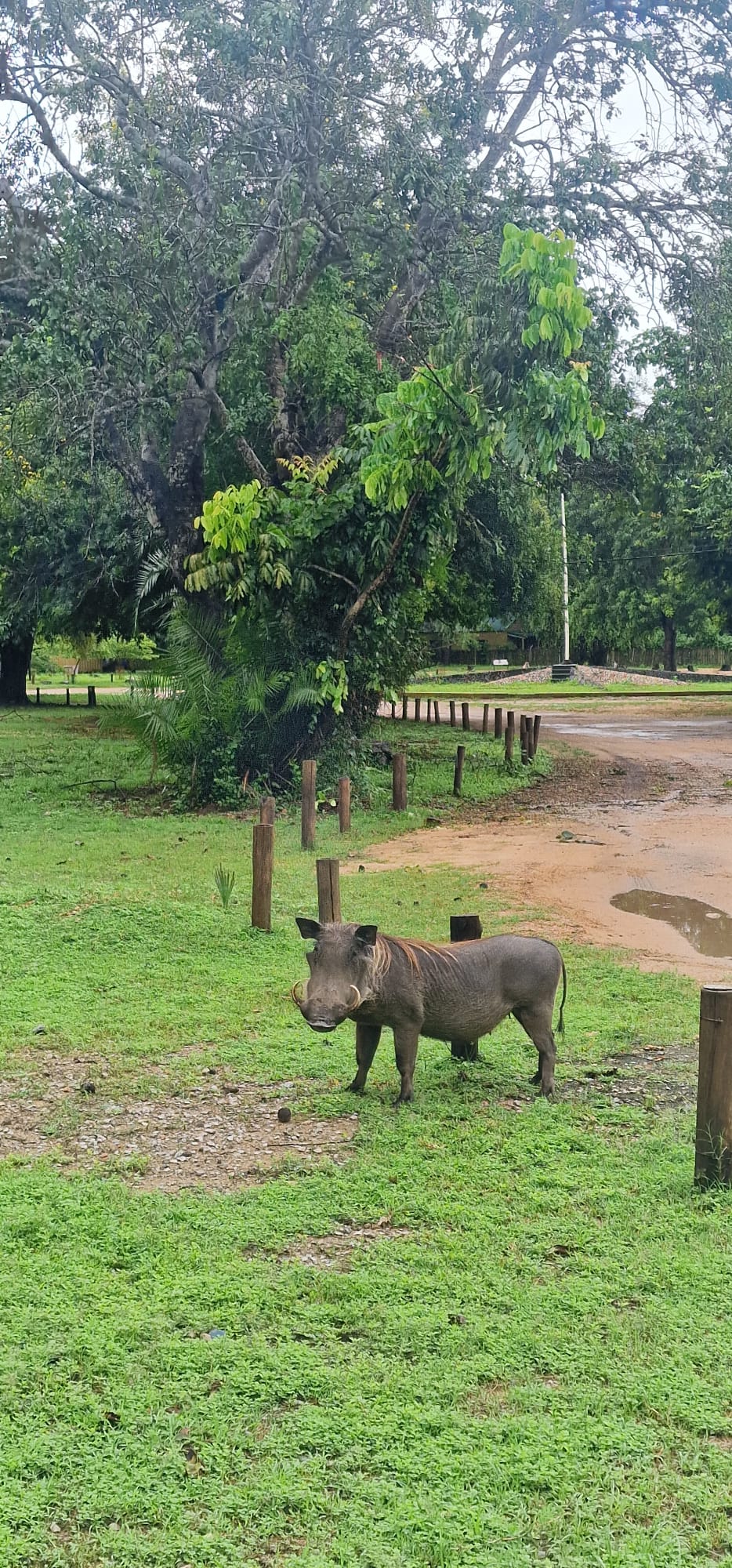
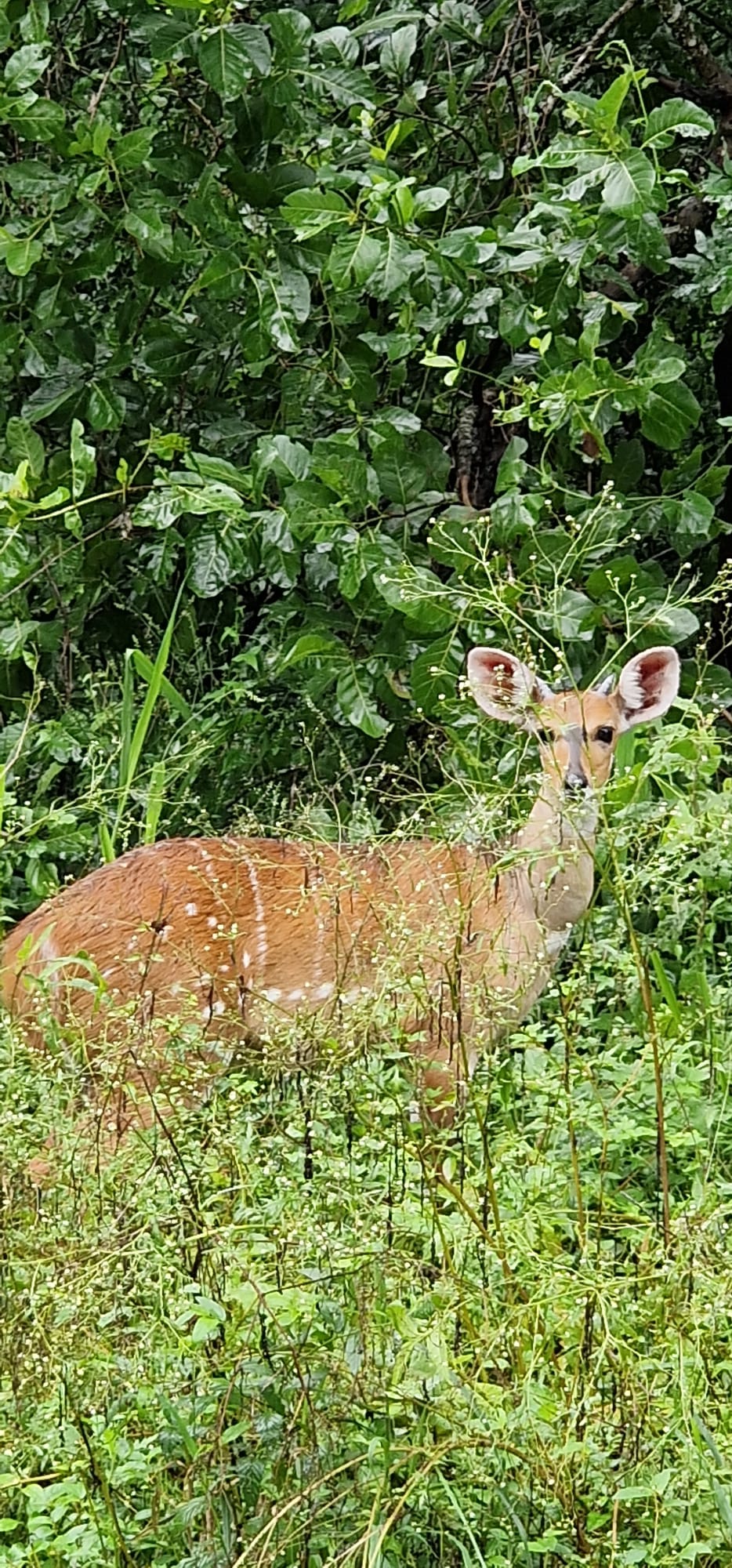
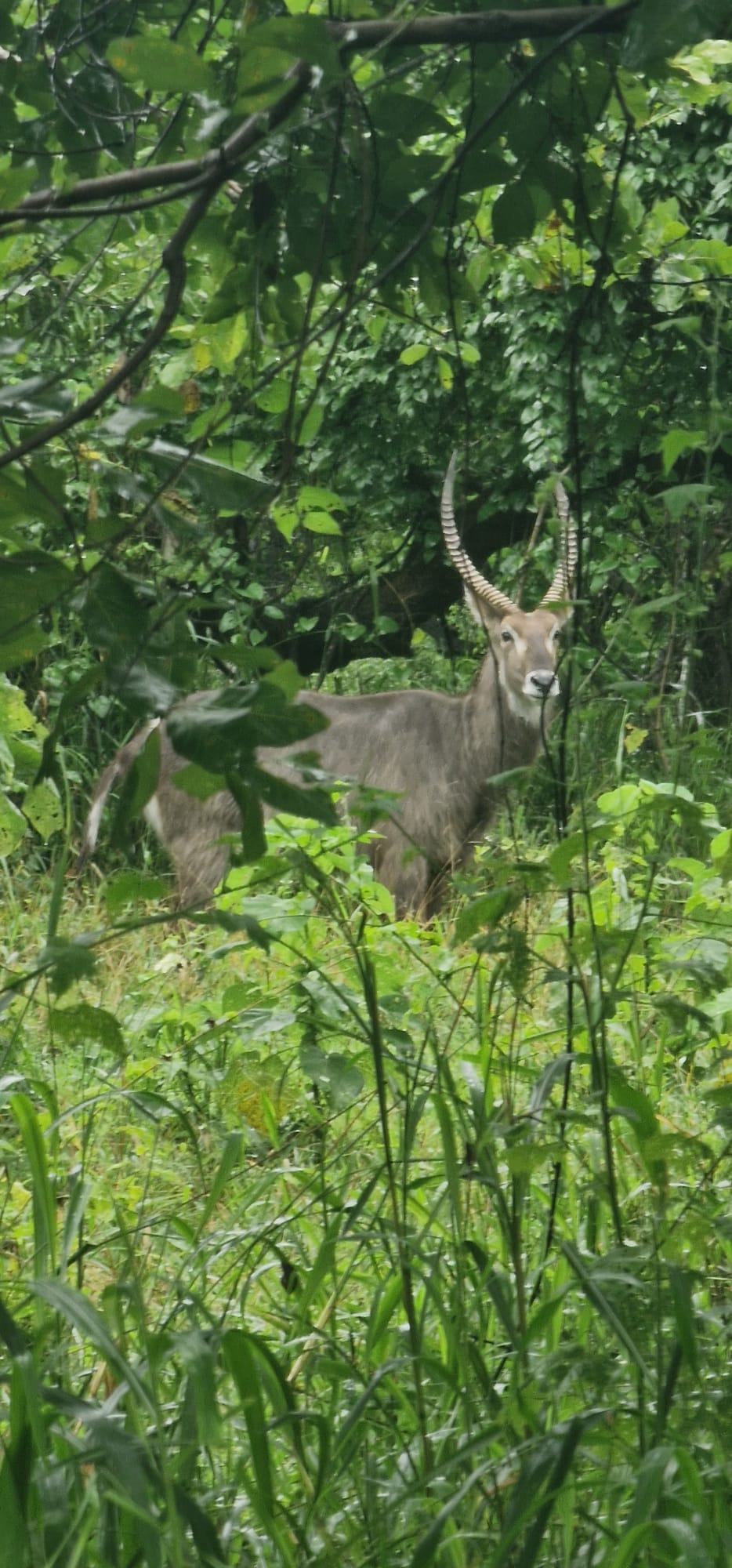
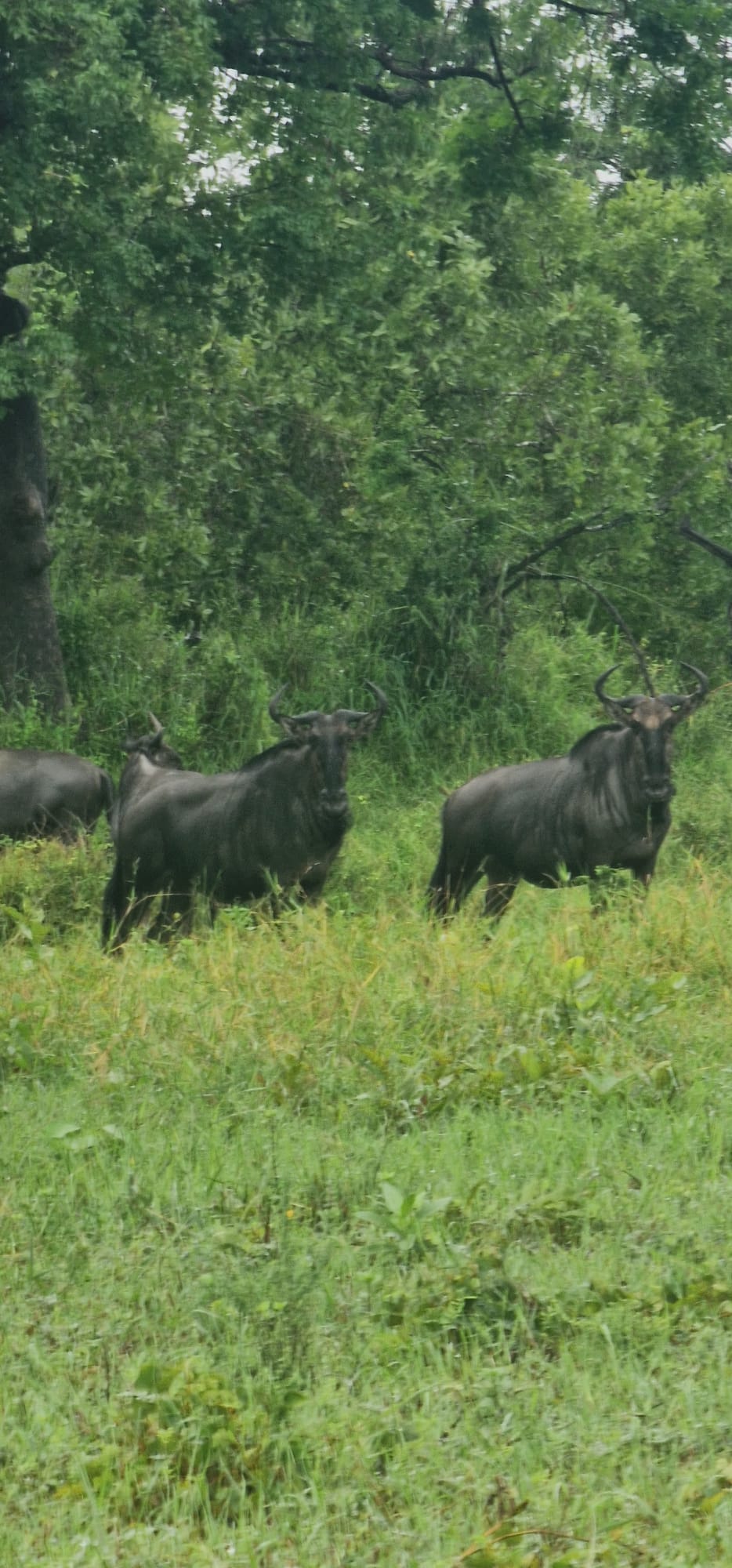
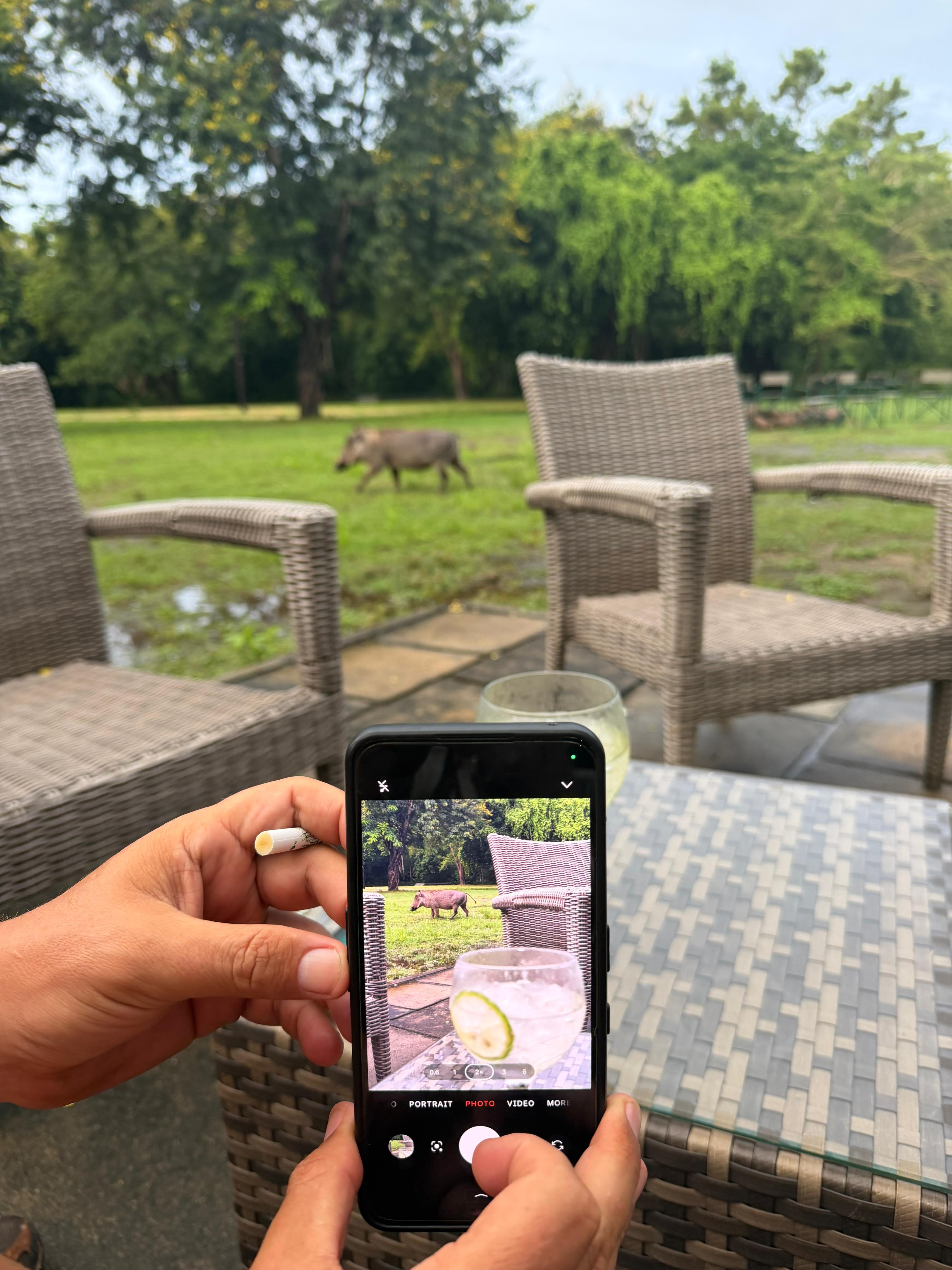
Self-driving is not allowed in Gorongosa, but the 30 km between the gate and the camp are done in your own car, and you can already spot some animals along the way.
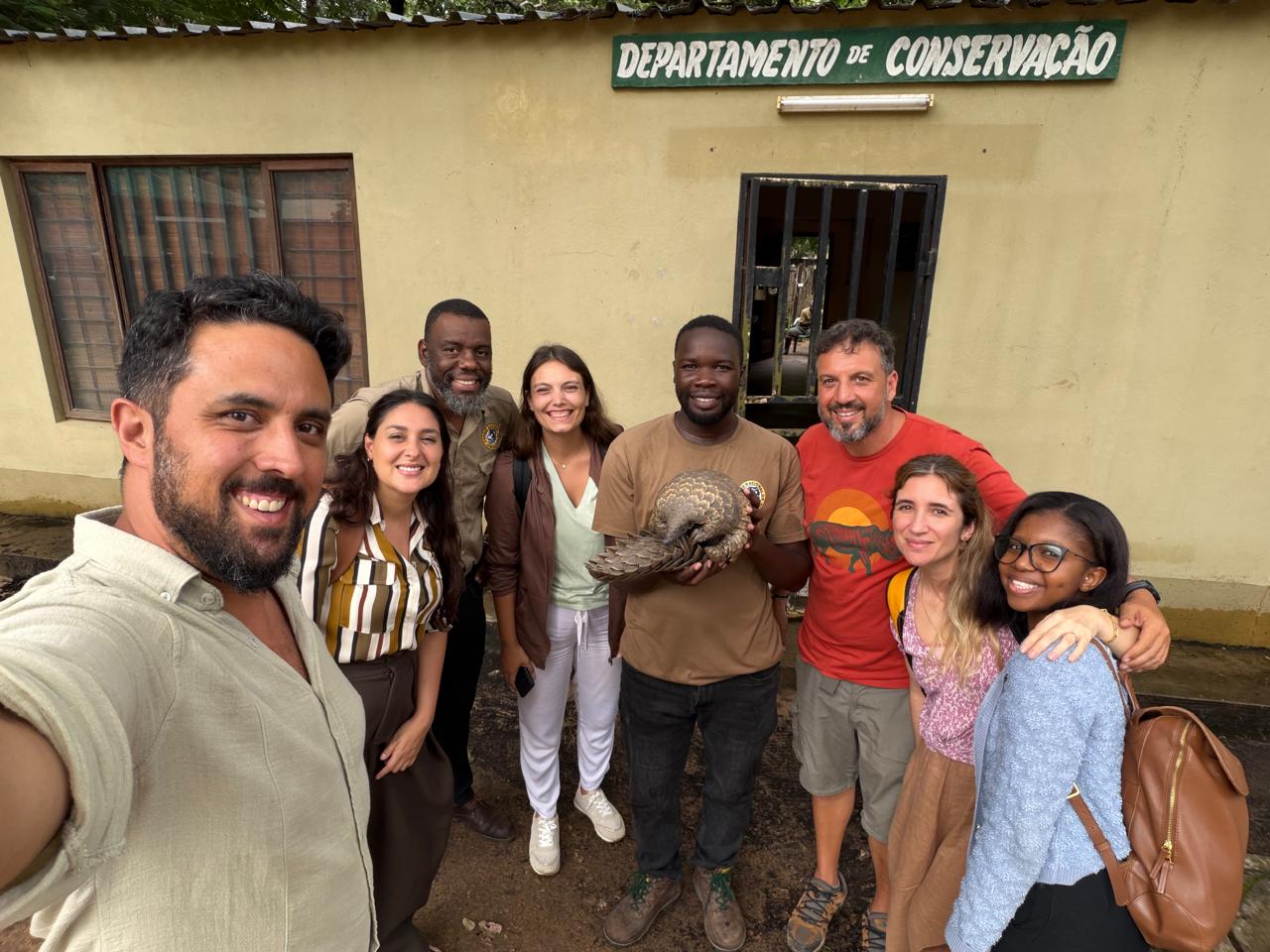
When we arrived, Ana Maria had already organized a tour of the Gorongosa laboratory and a visit to the pangolins undergoing rehabilitation.
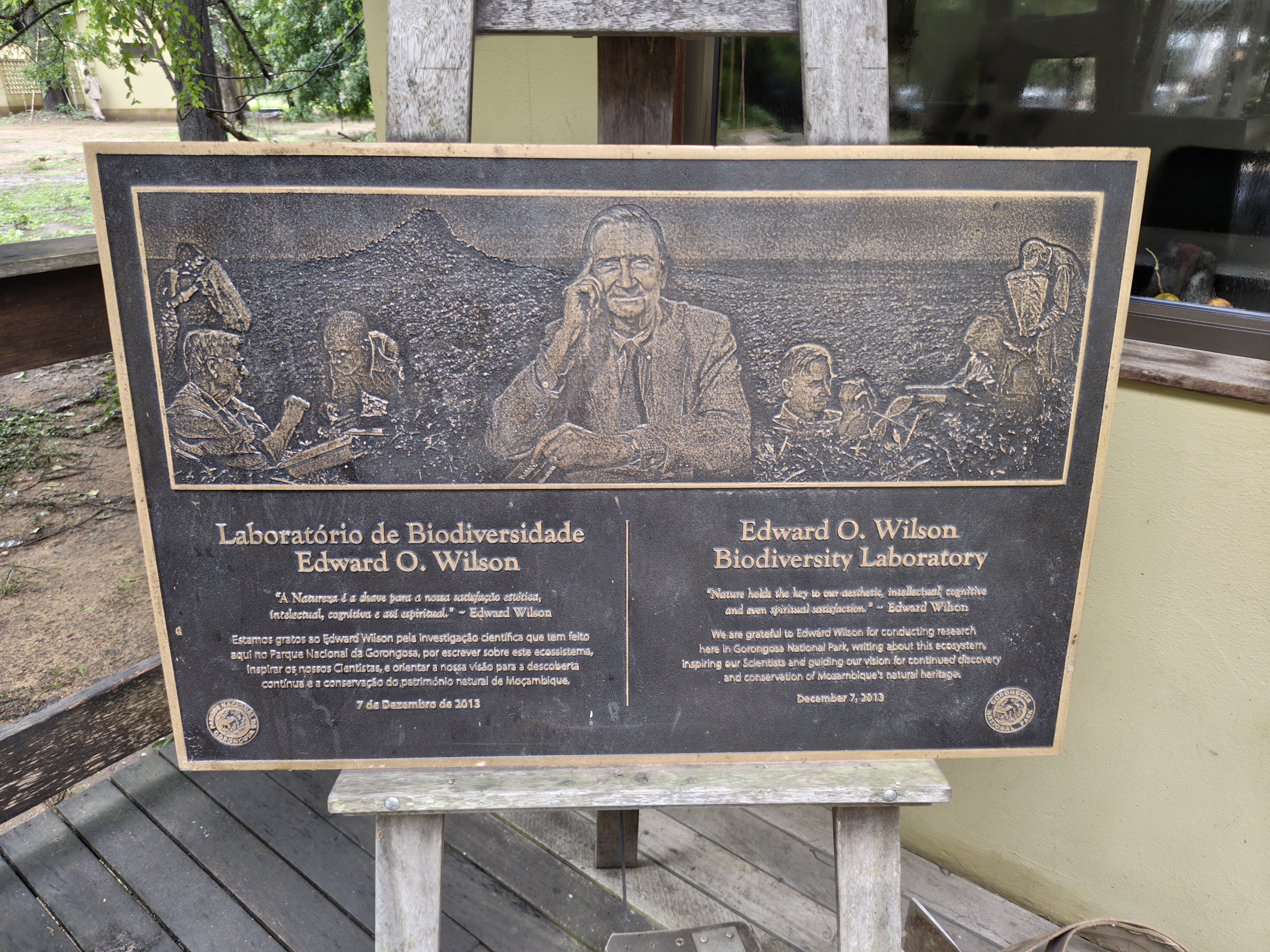
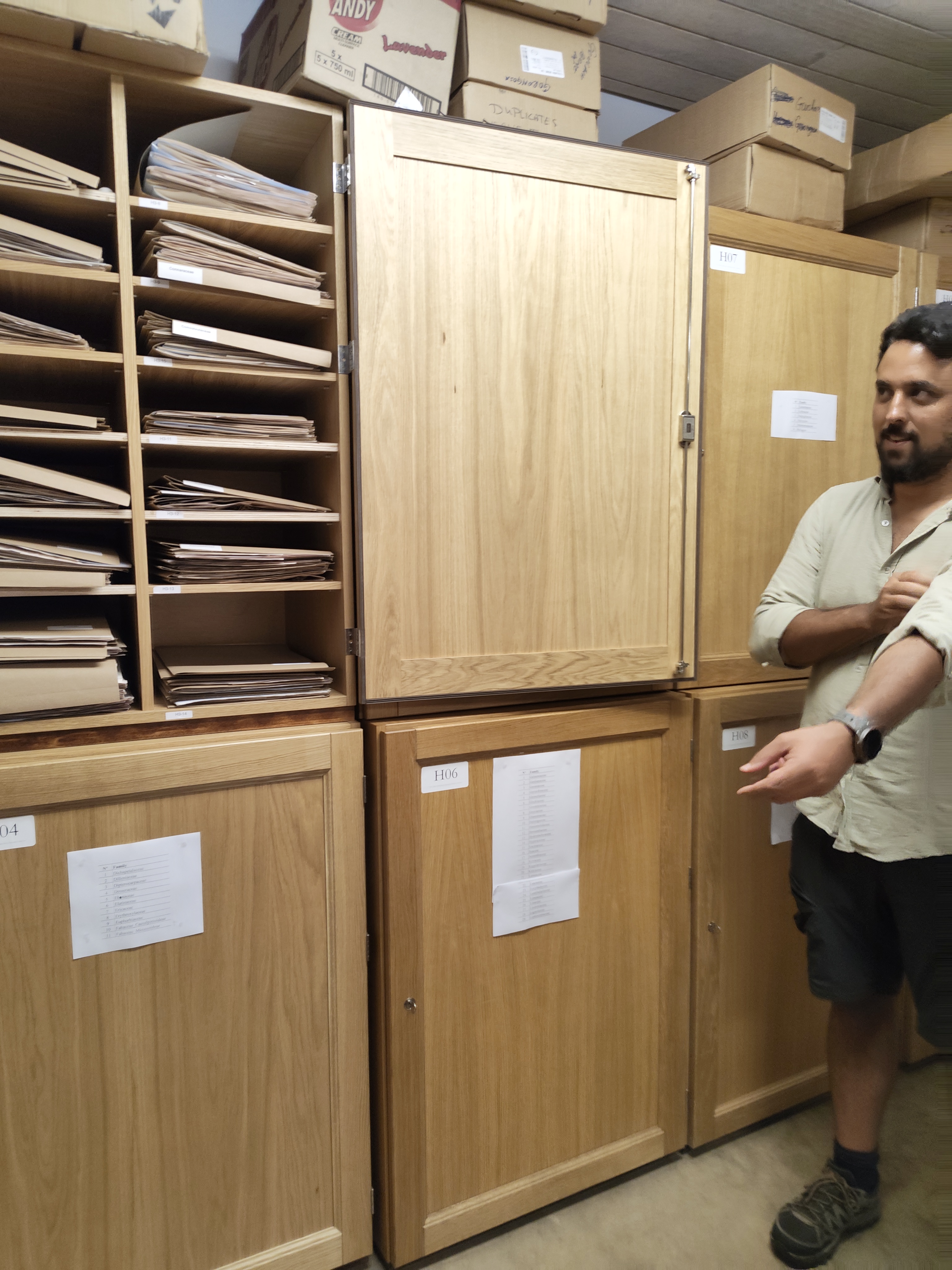
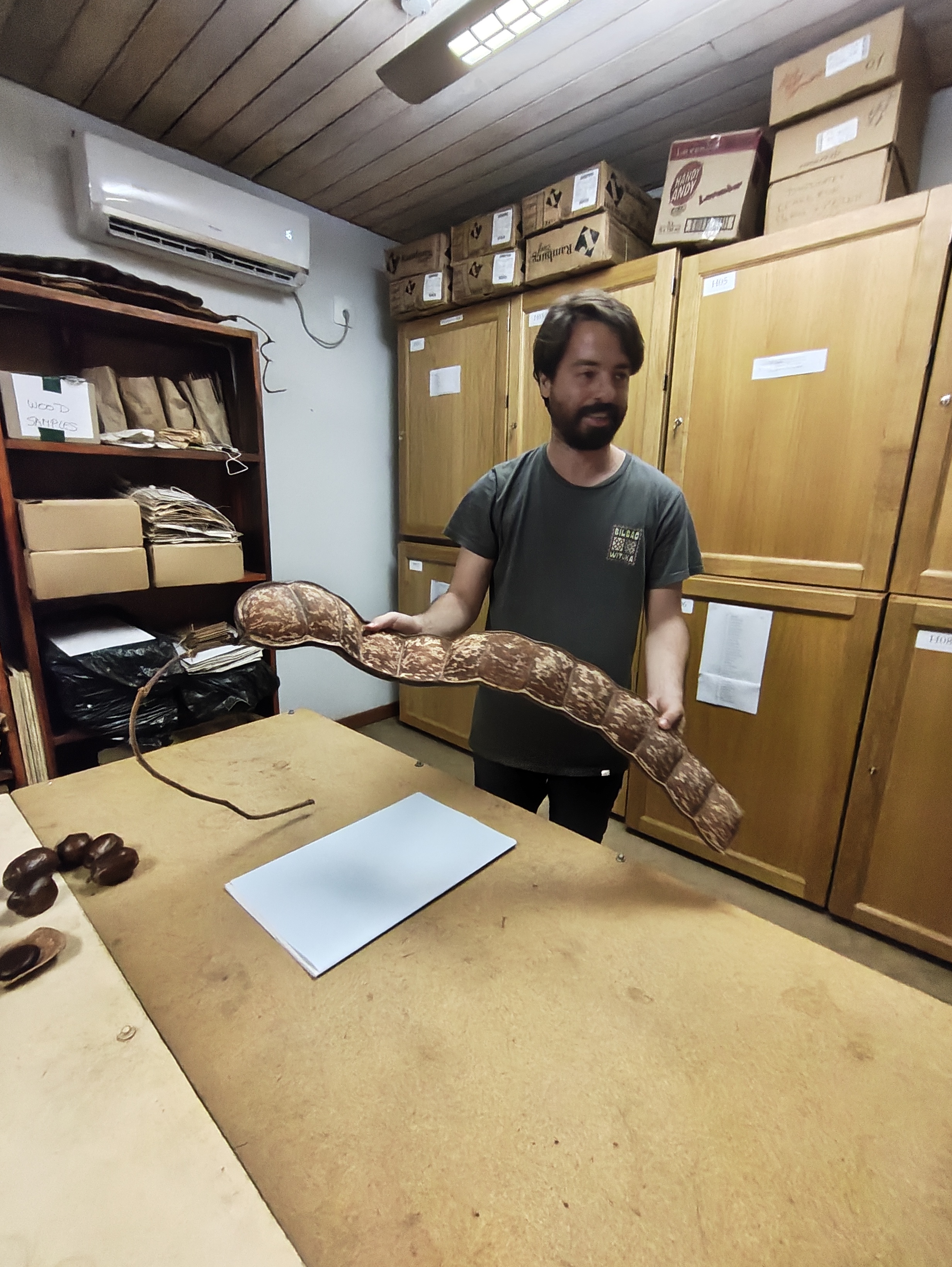
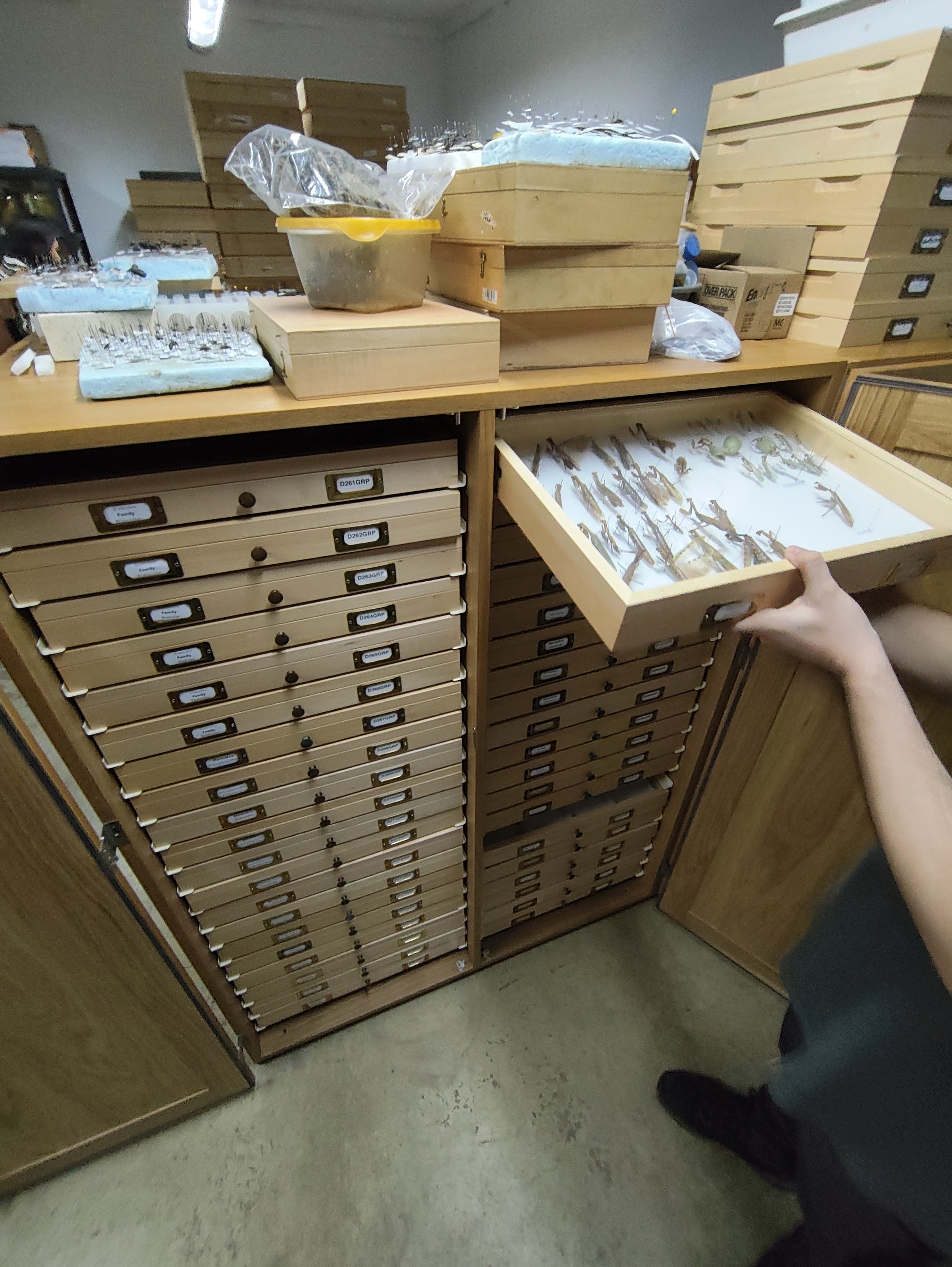
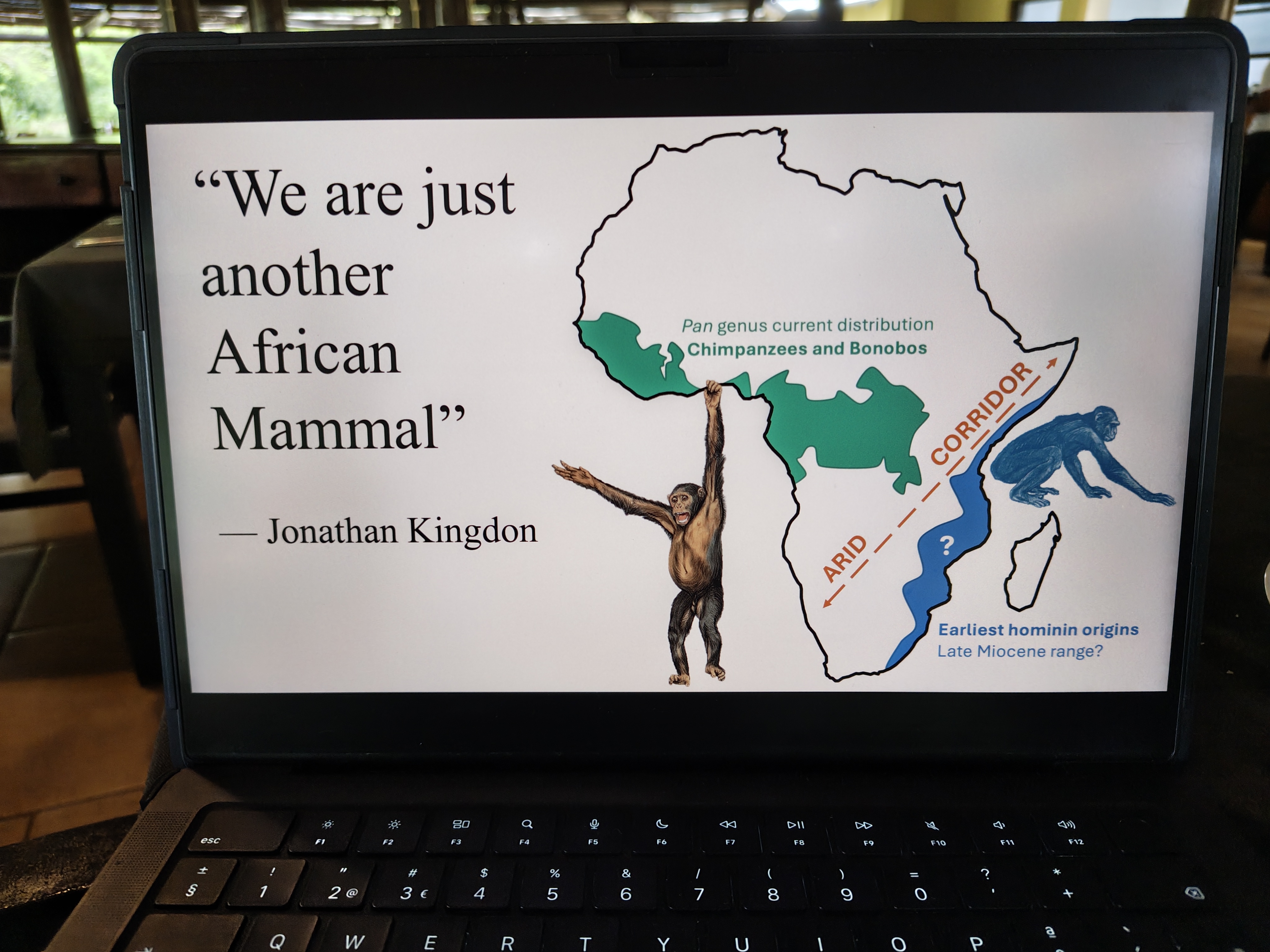
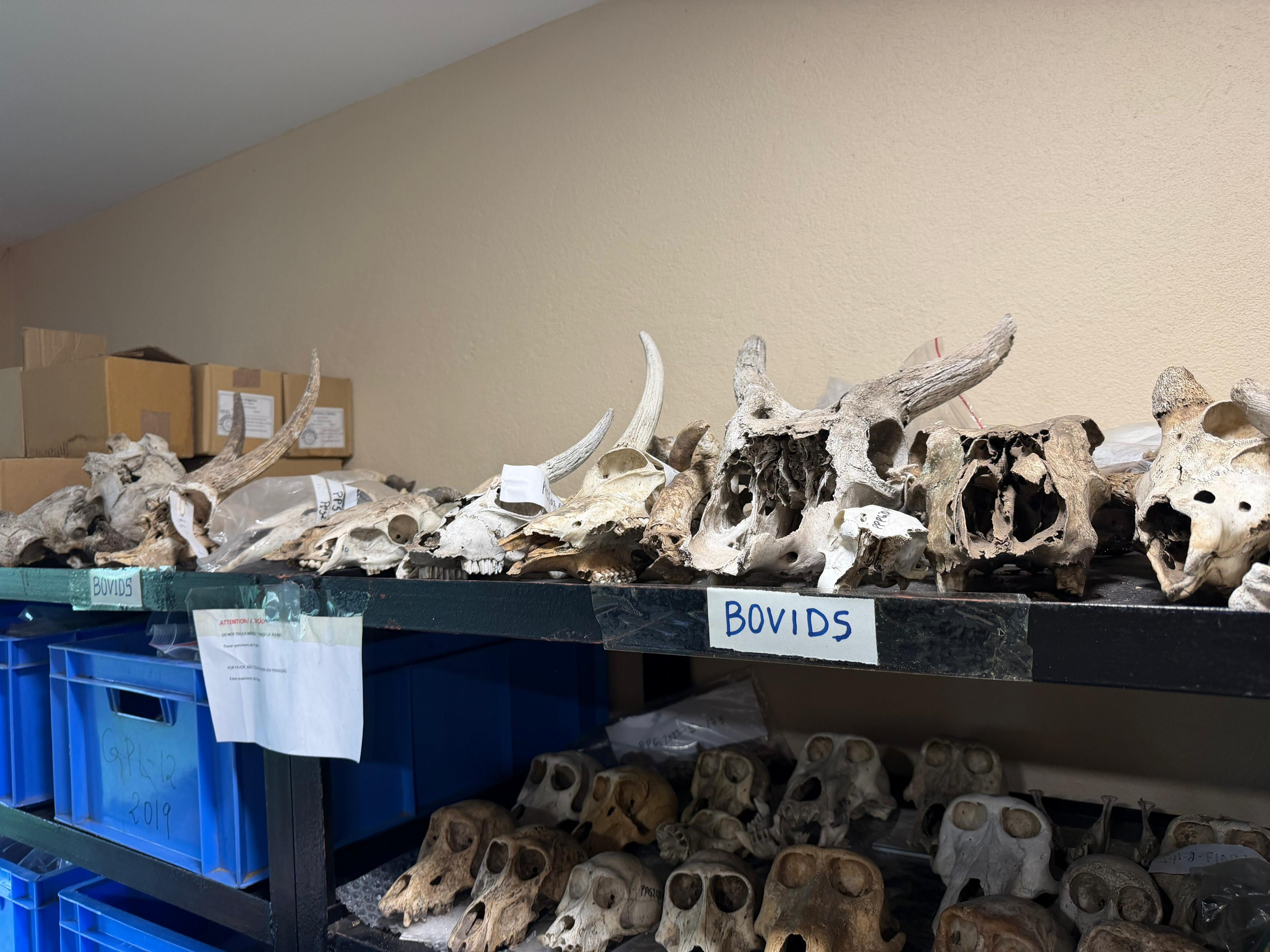
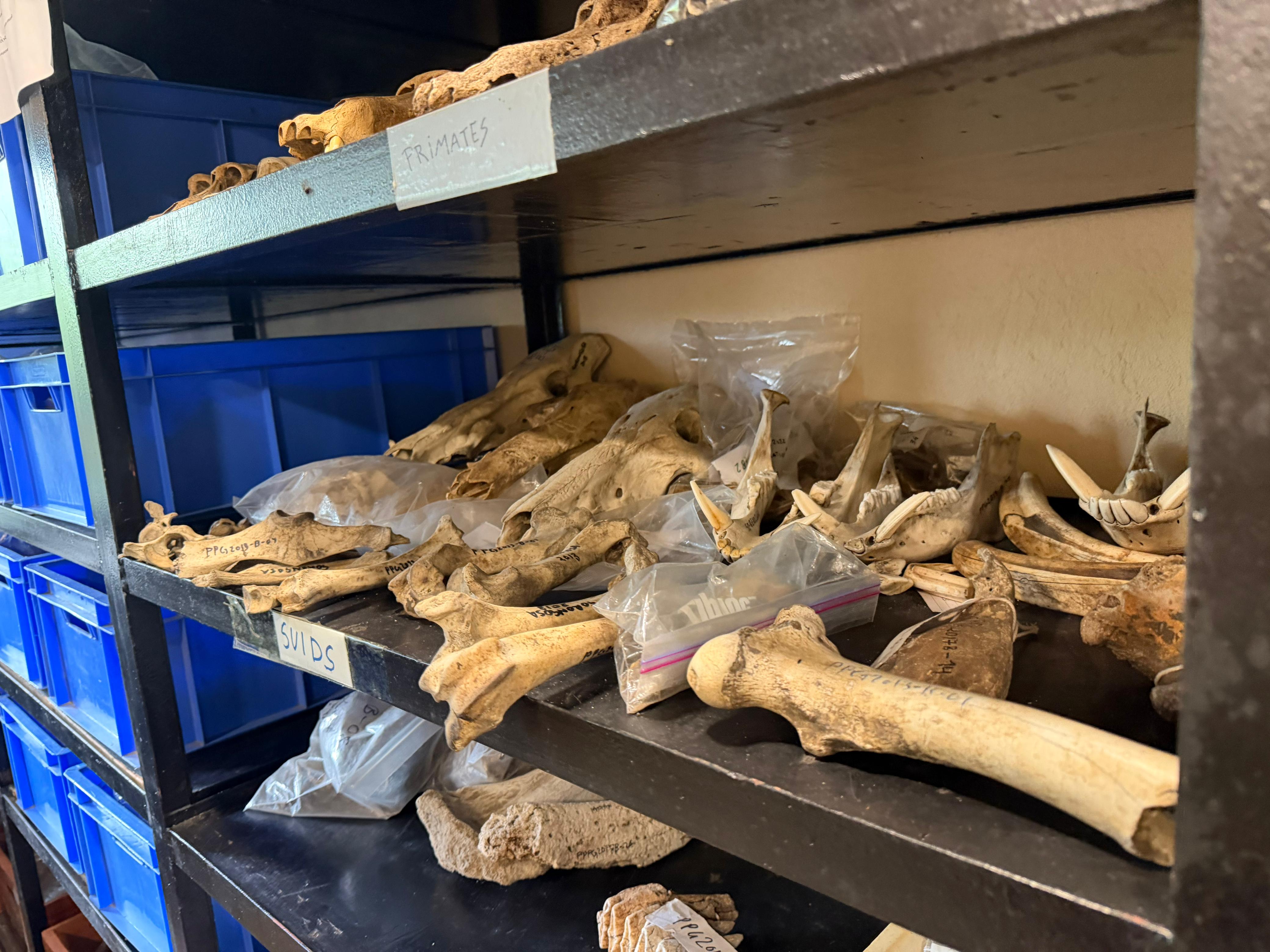
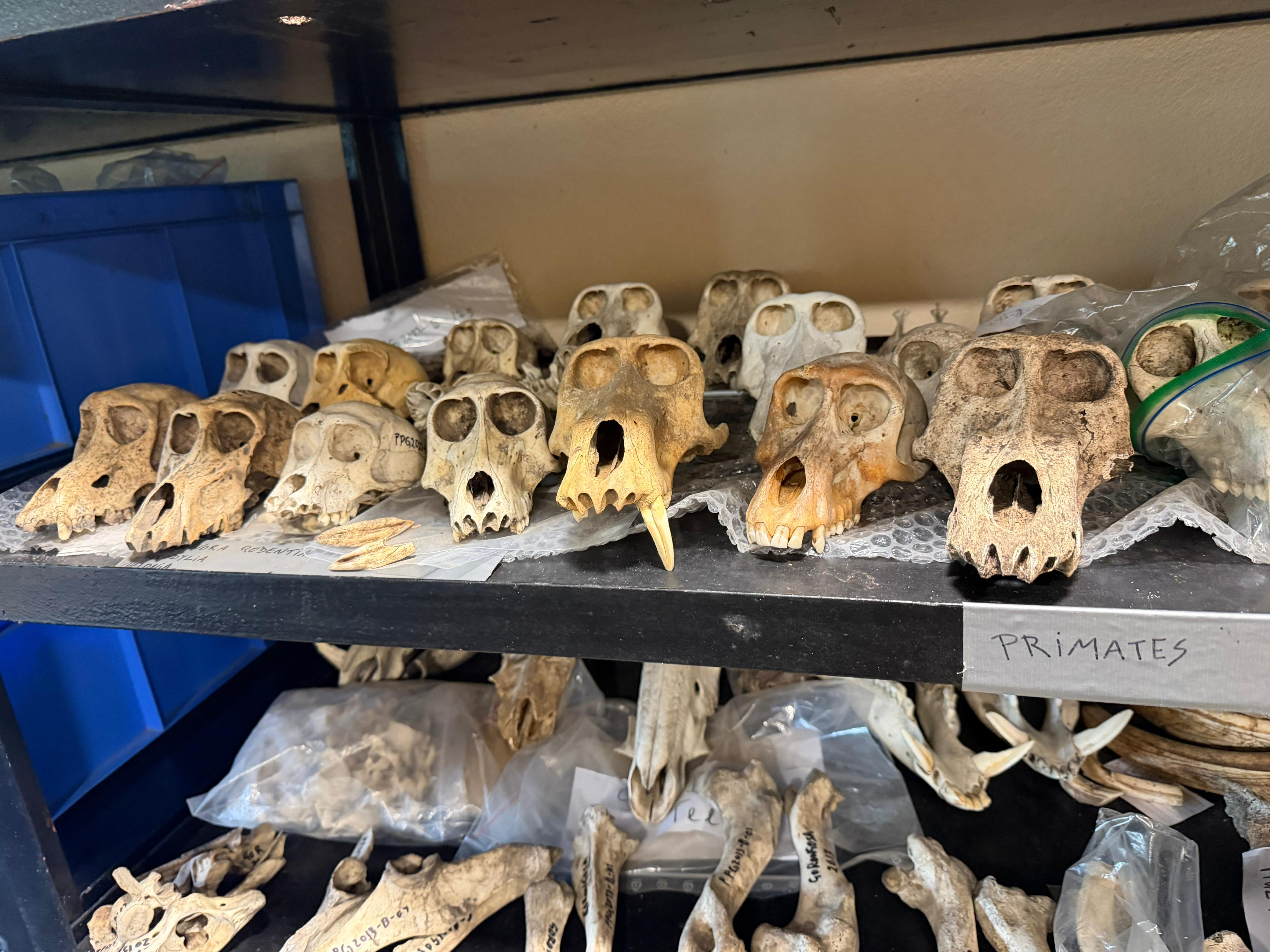
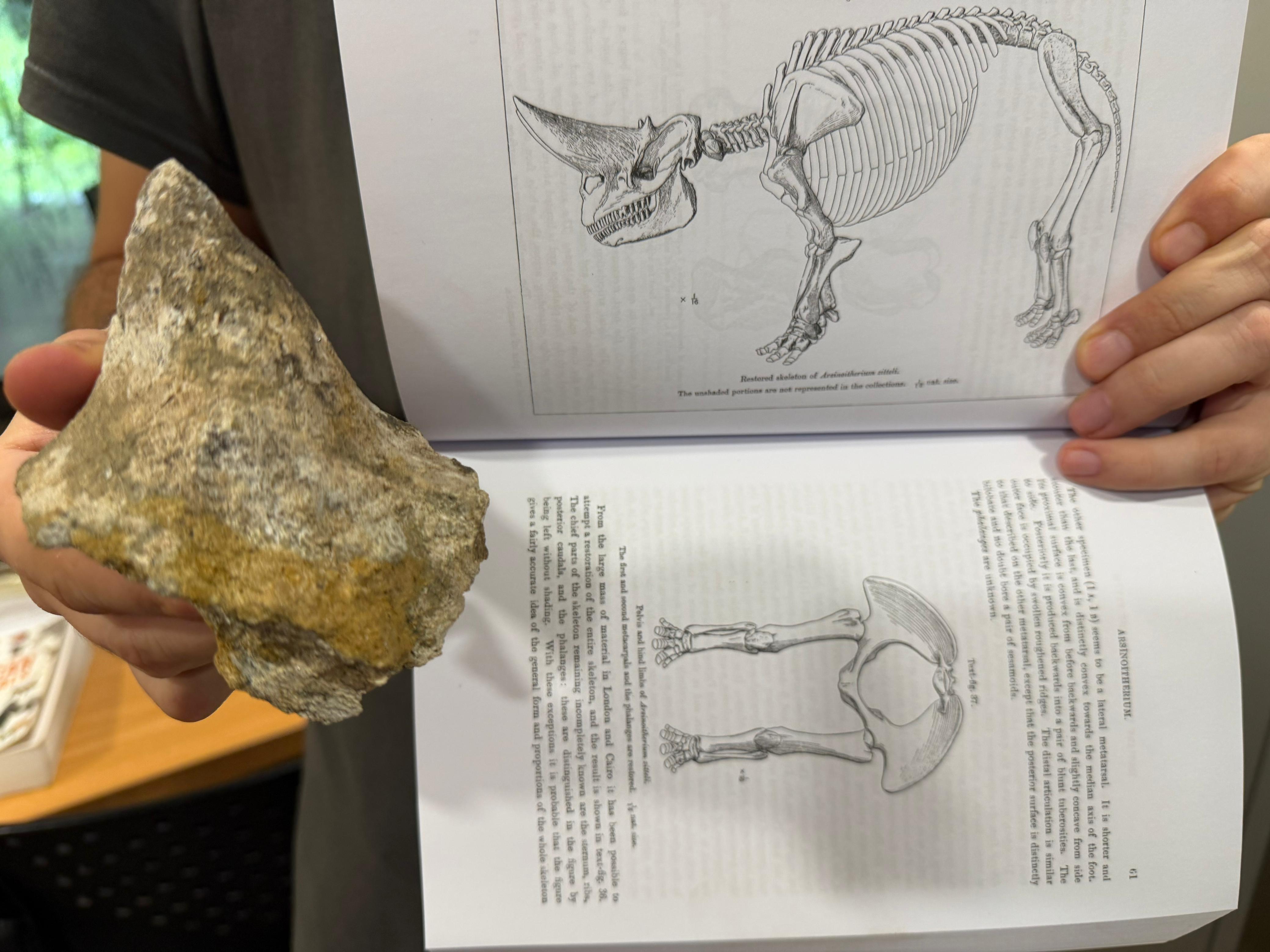
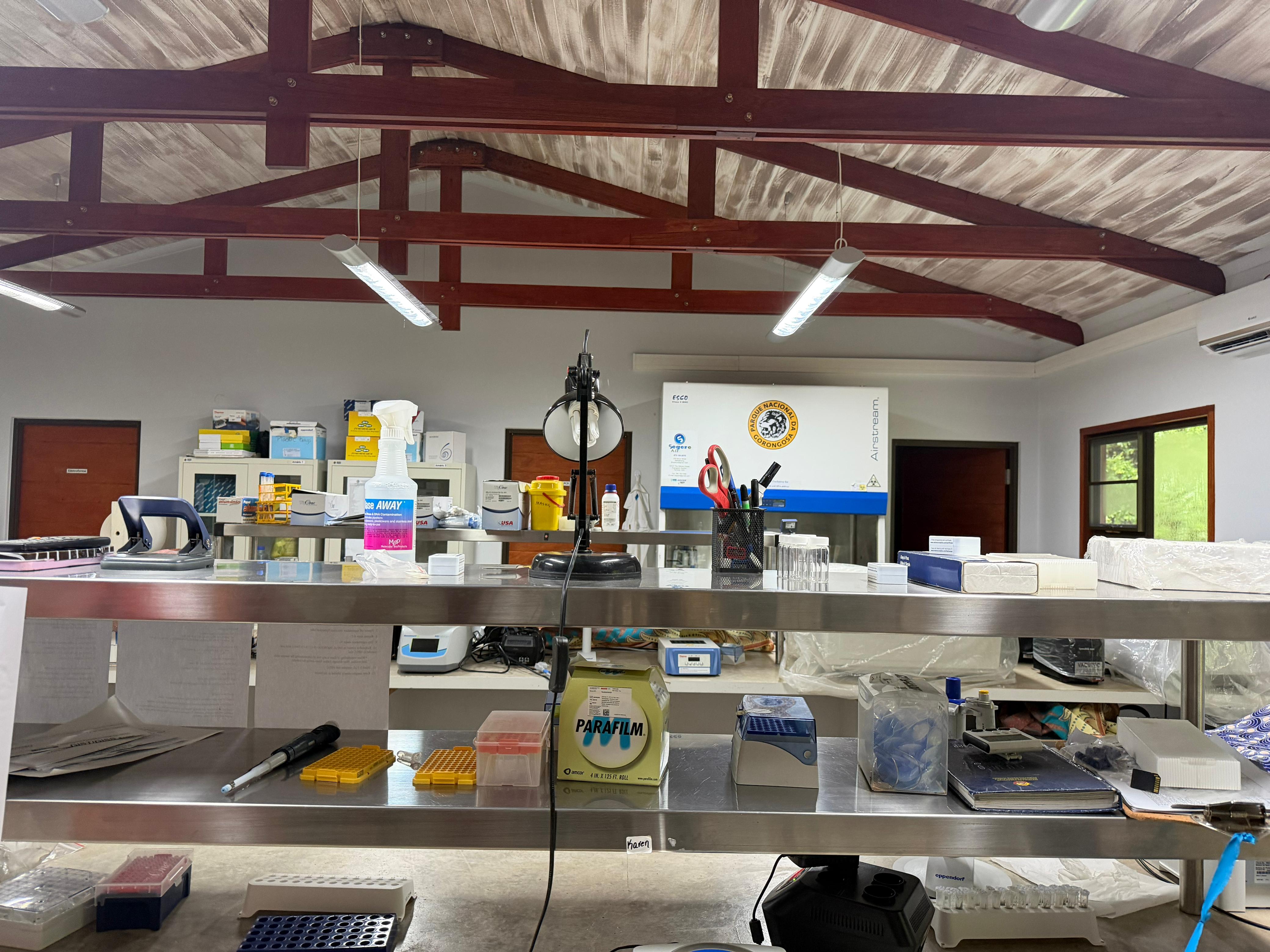
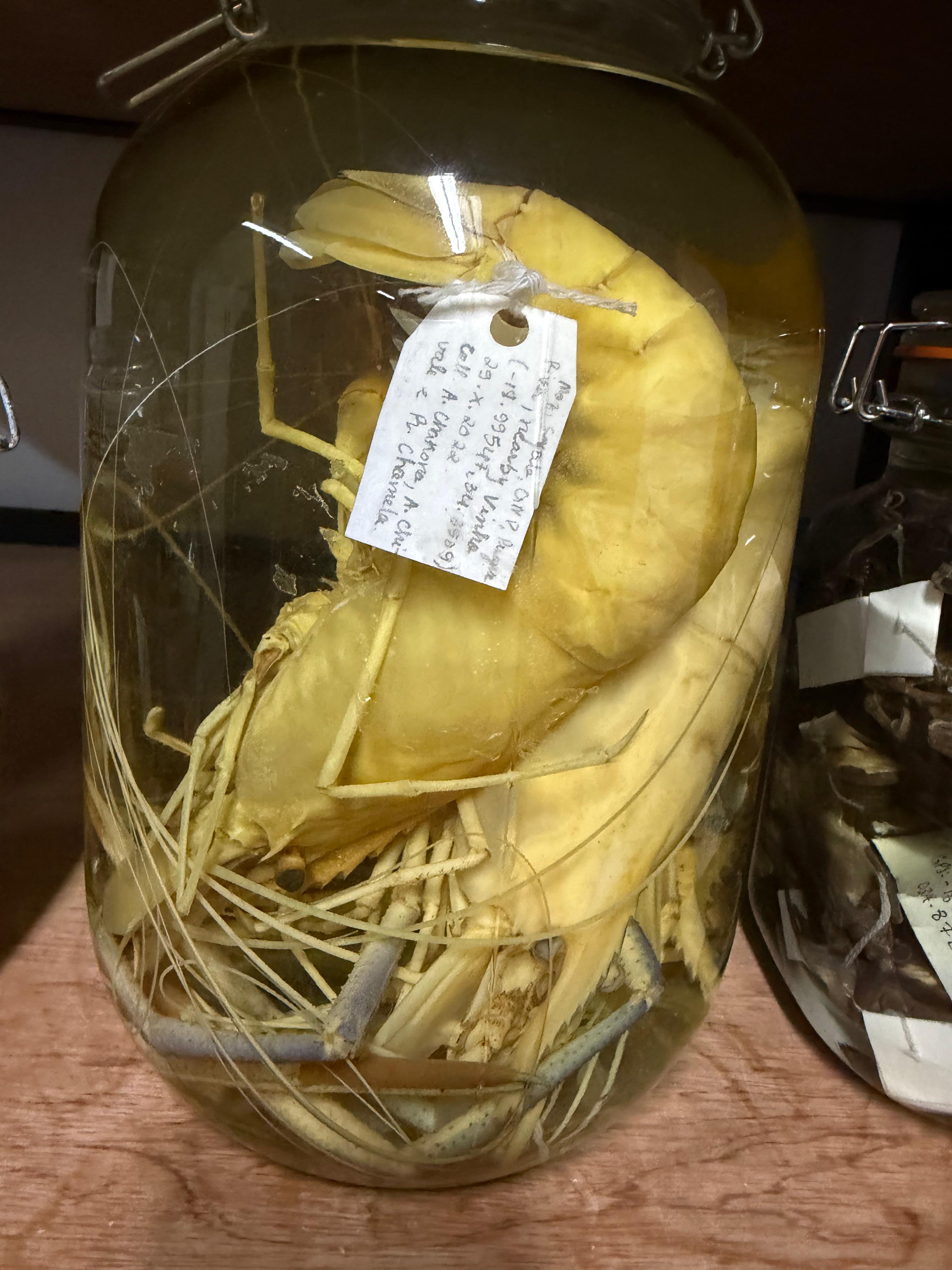
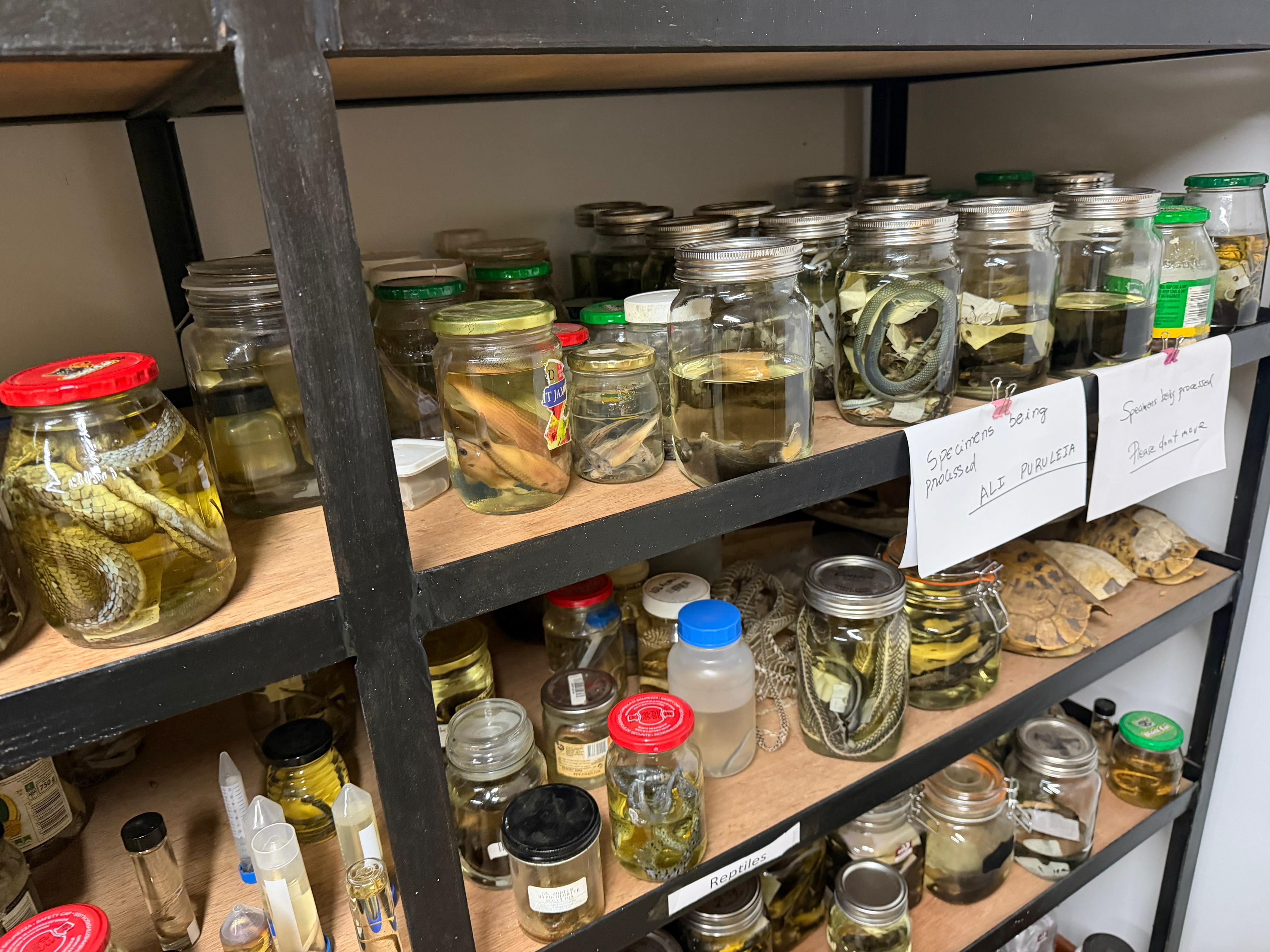
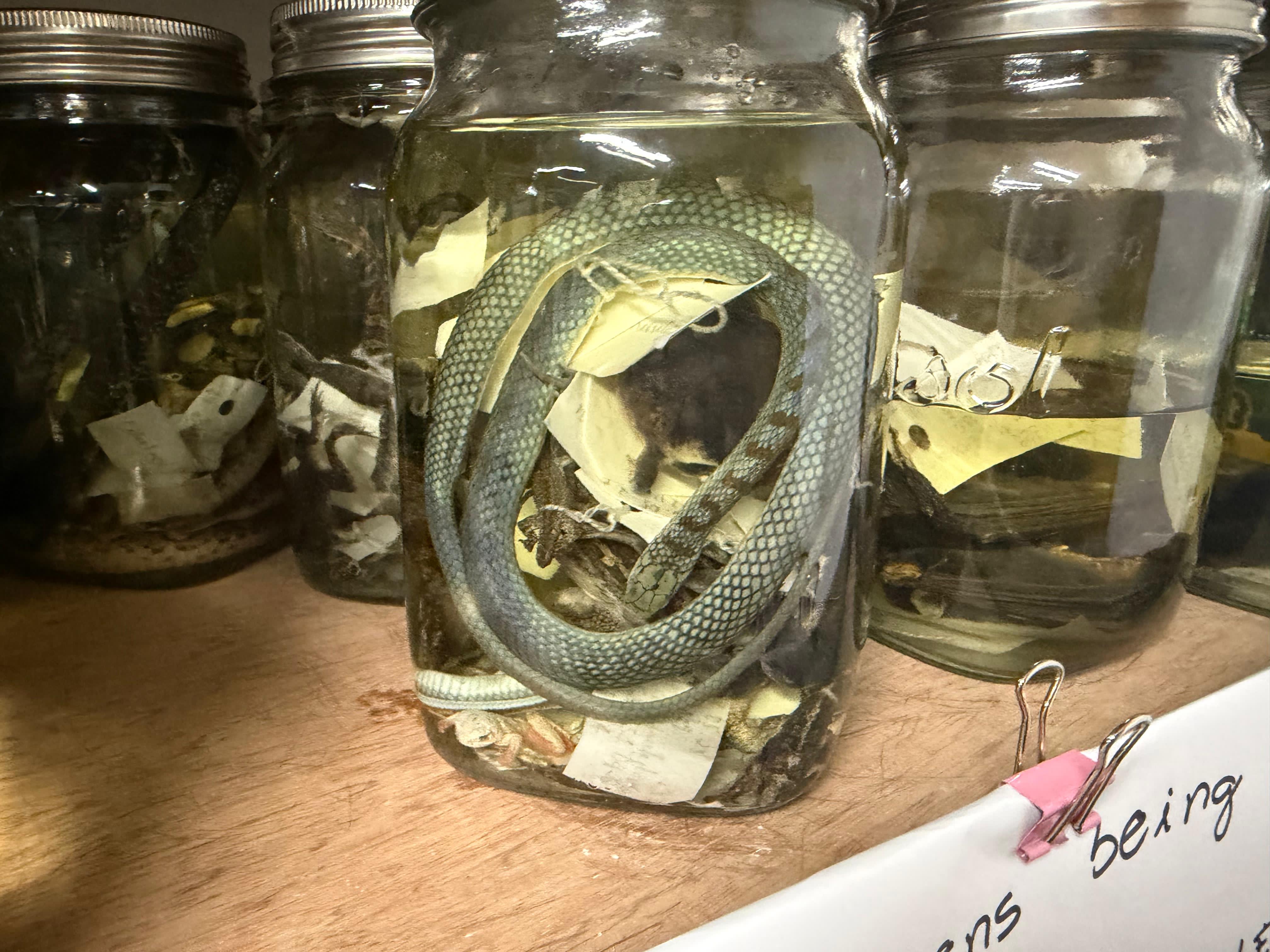
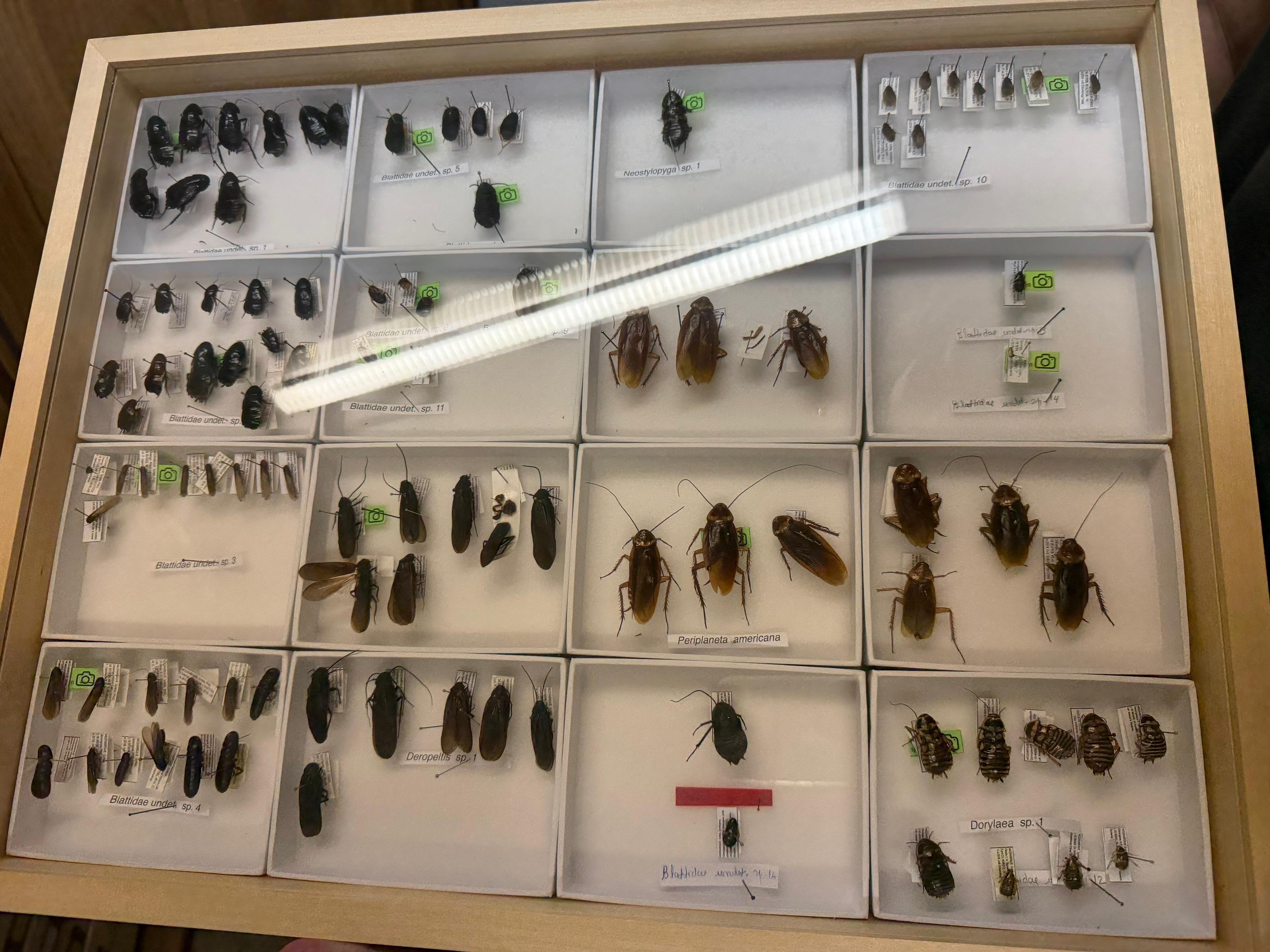
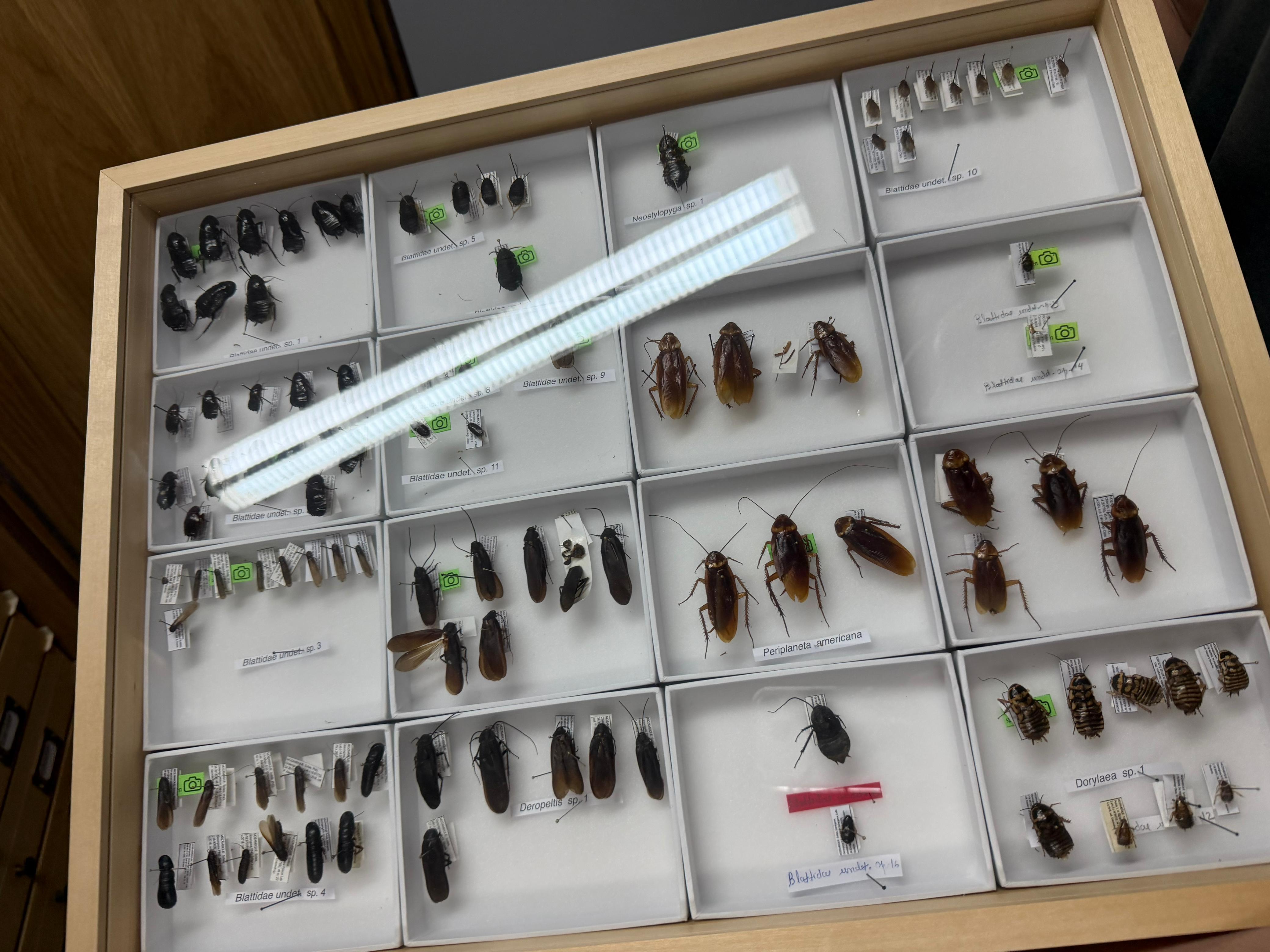
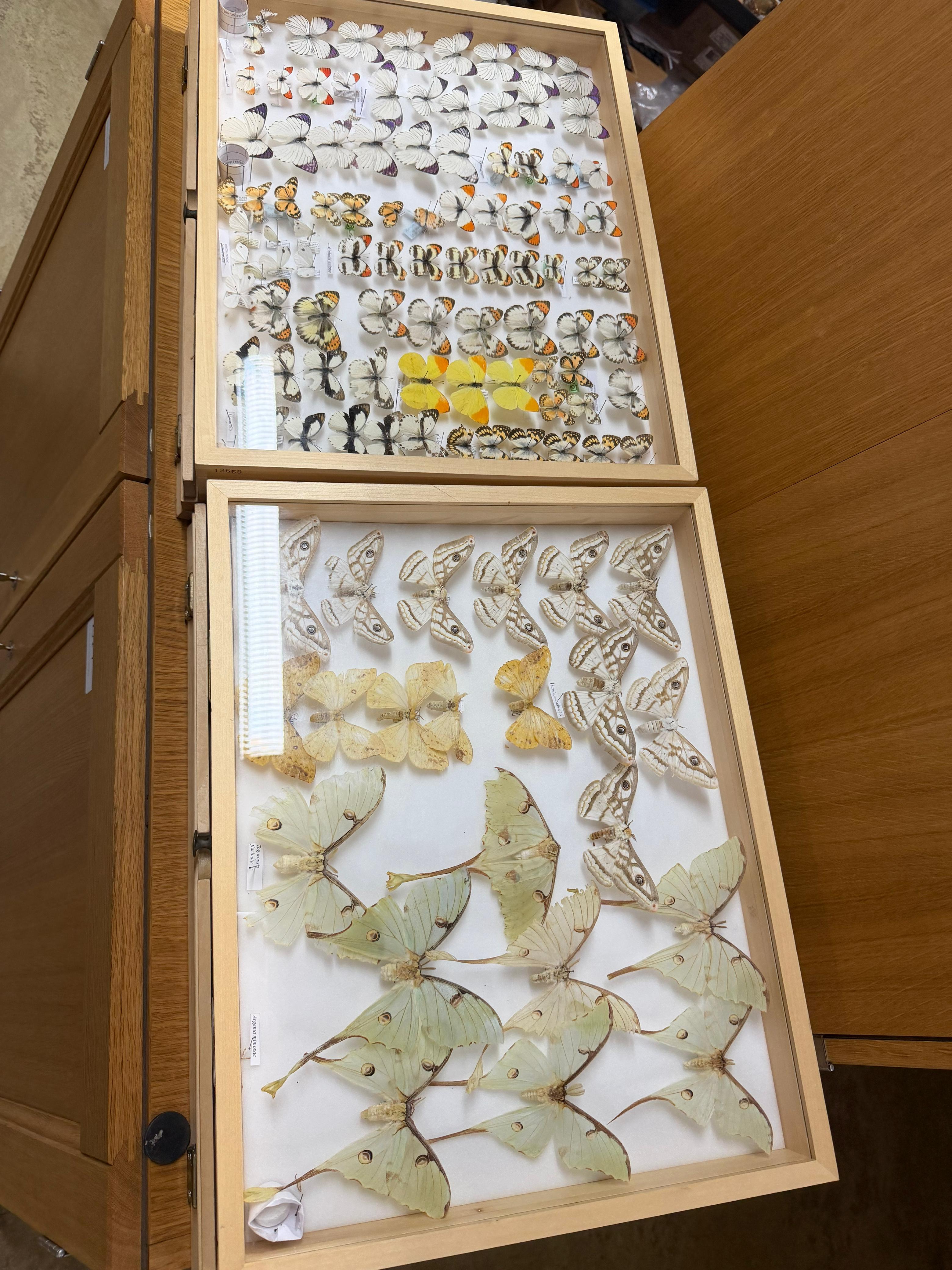
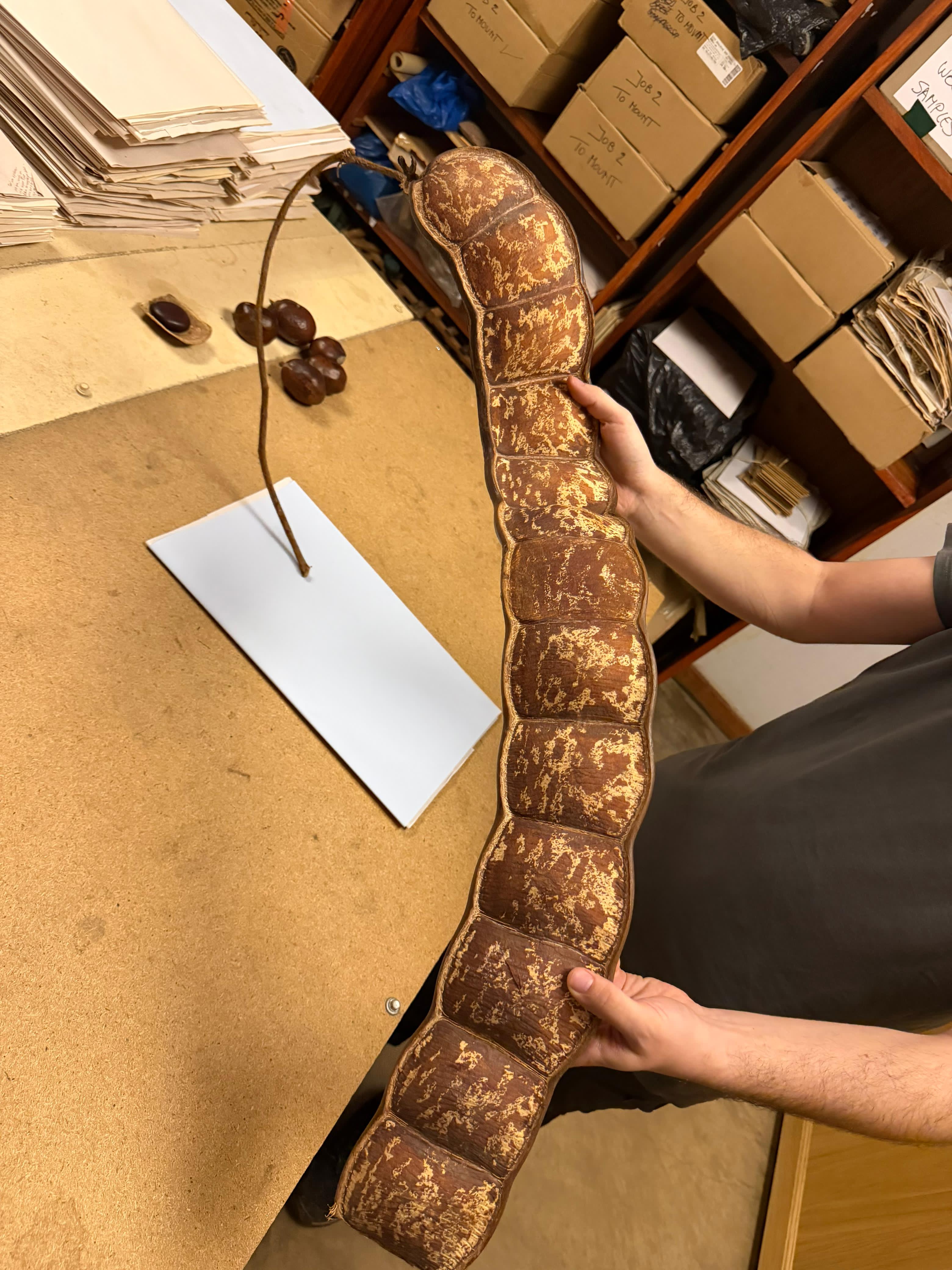
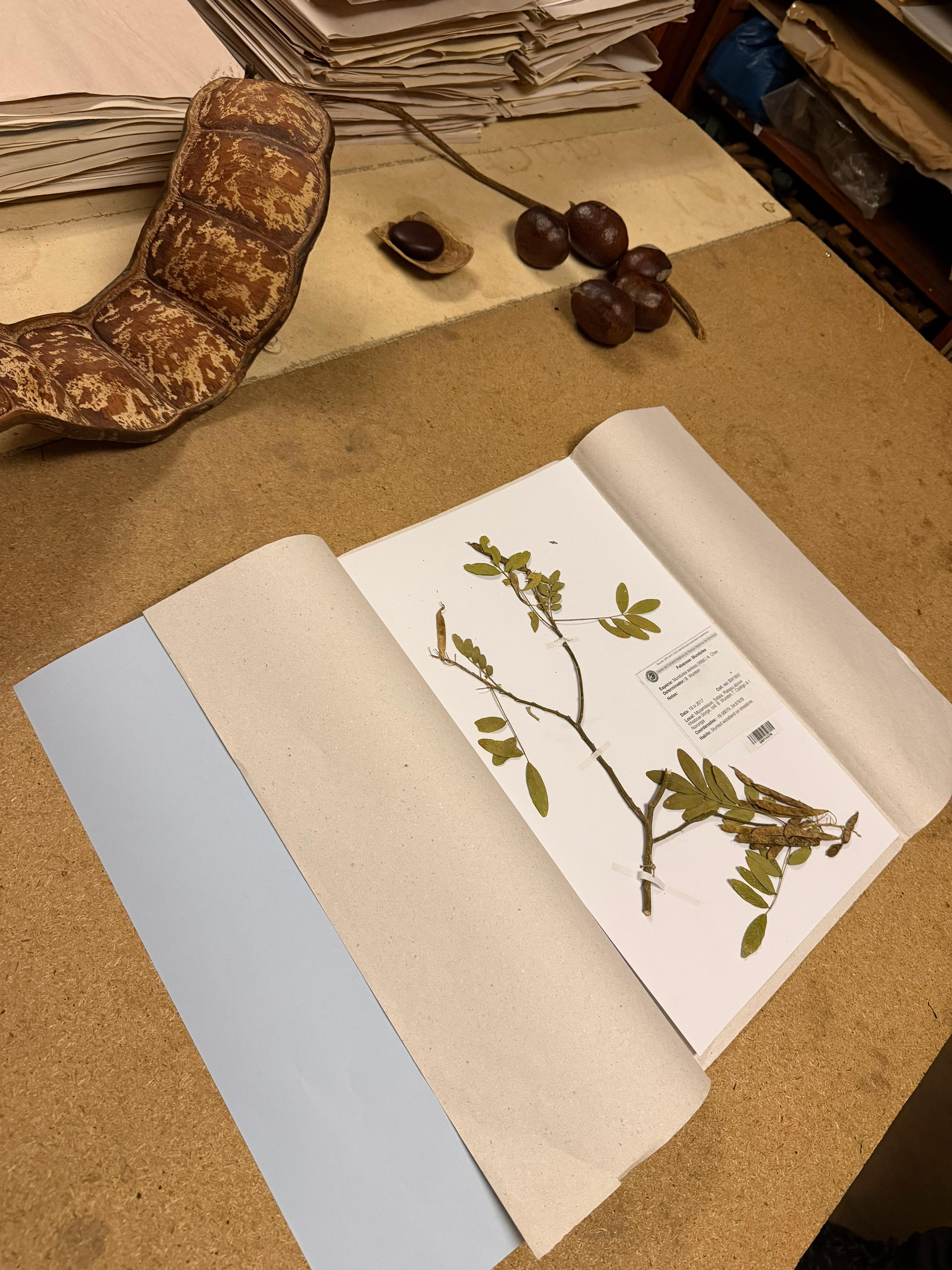
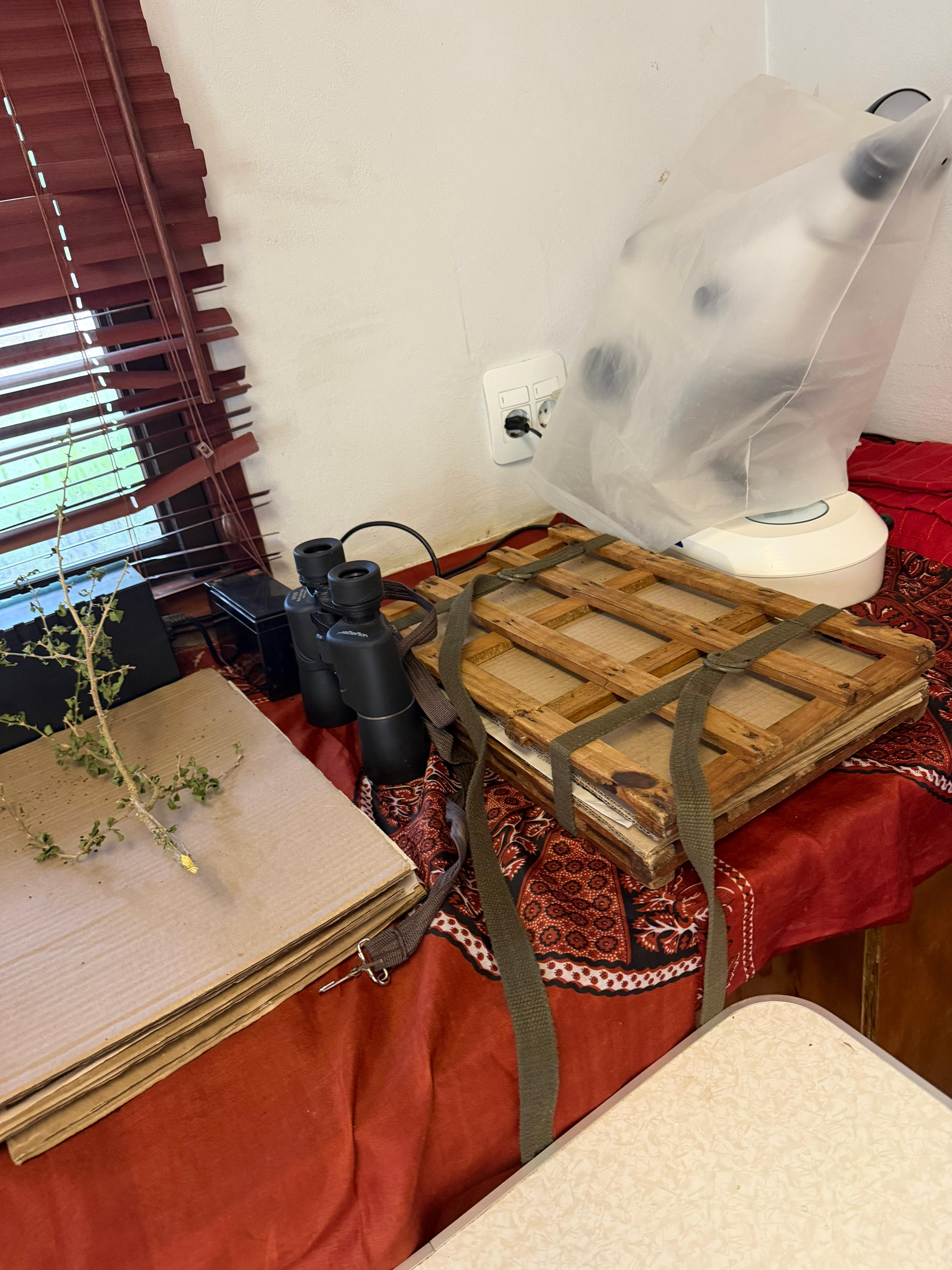
Safari activity in Gorongosa is just a fraction of the work being done there. There is a strong focus on scientific research, with a laboratory and some of the best technicians in conservation. João Coelho, a paleontologist, was assigned to give us the guided tour and, despite being visibly reluctant at first, became incredibly animated as soon as he entered the first building and showed us the botanical samples. But the real ecstasy came when he guided us through the paleontology building and showed us the Miocene fossils. I also didn't know what the Miocene was and didn't ask, I googled it later.
João's fascination was contagious and we were amazed by the work being done there.
We arranged to have lunch with João because he really wanted to explain how fossil dating works, and nobody dared to say no.
Before lunch we even saw Greg Carr and, according to Ana Maria, it was the first time she had seen me embarrassed. I couldn't bring myself to ask for a selfie. I spoke with him on two more occasions during the day and on neither of them could I ask for the selfie. On one of them, encouraged by Dani, I even ran after him after he said goodbye, but it still didn't happen.
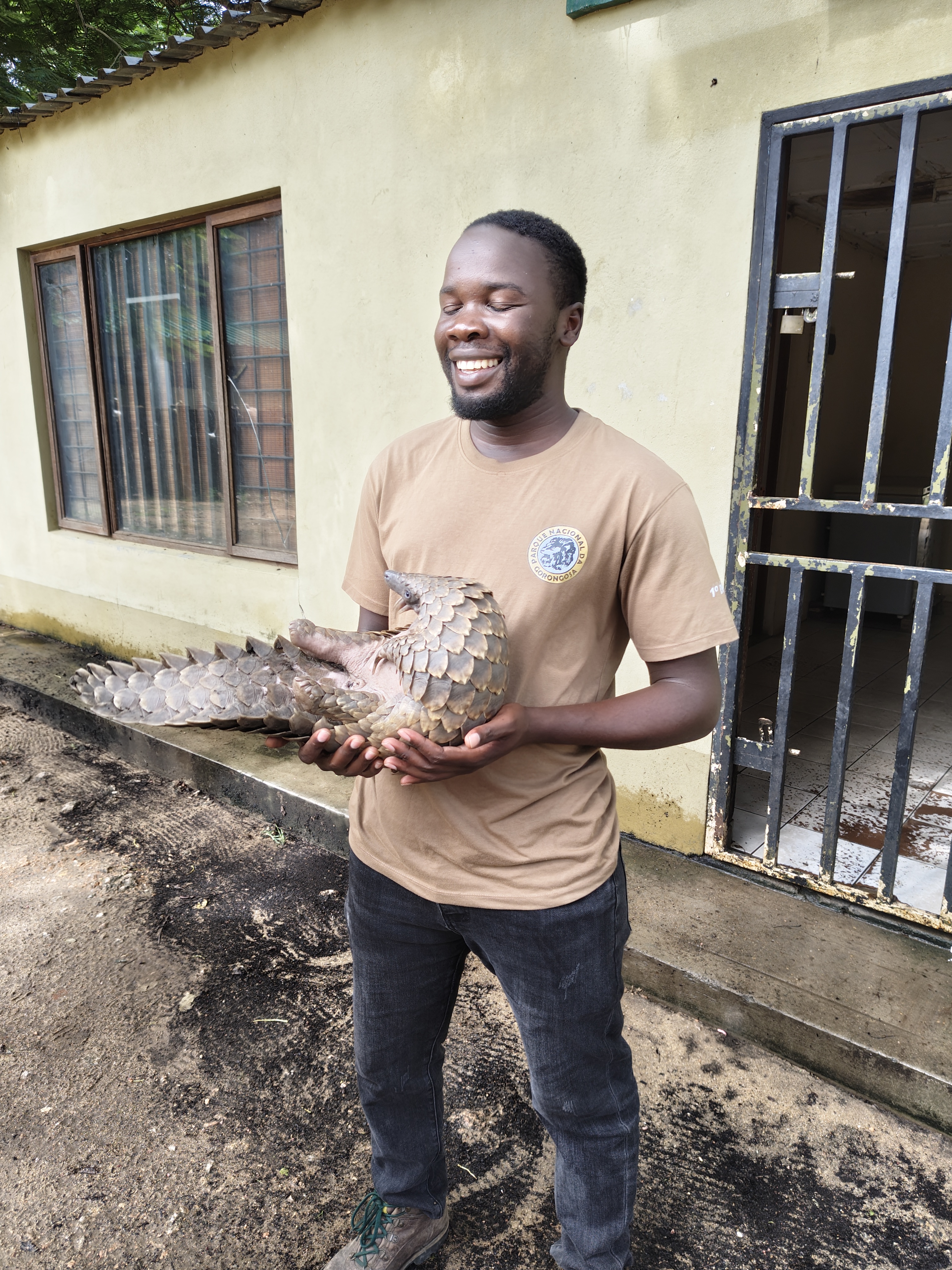
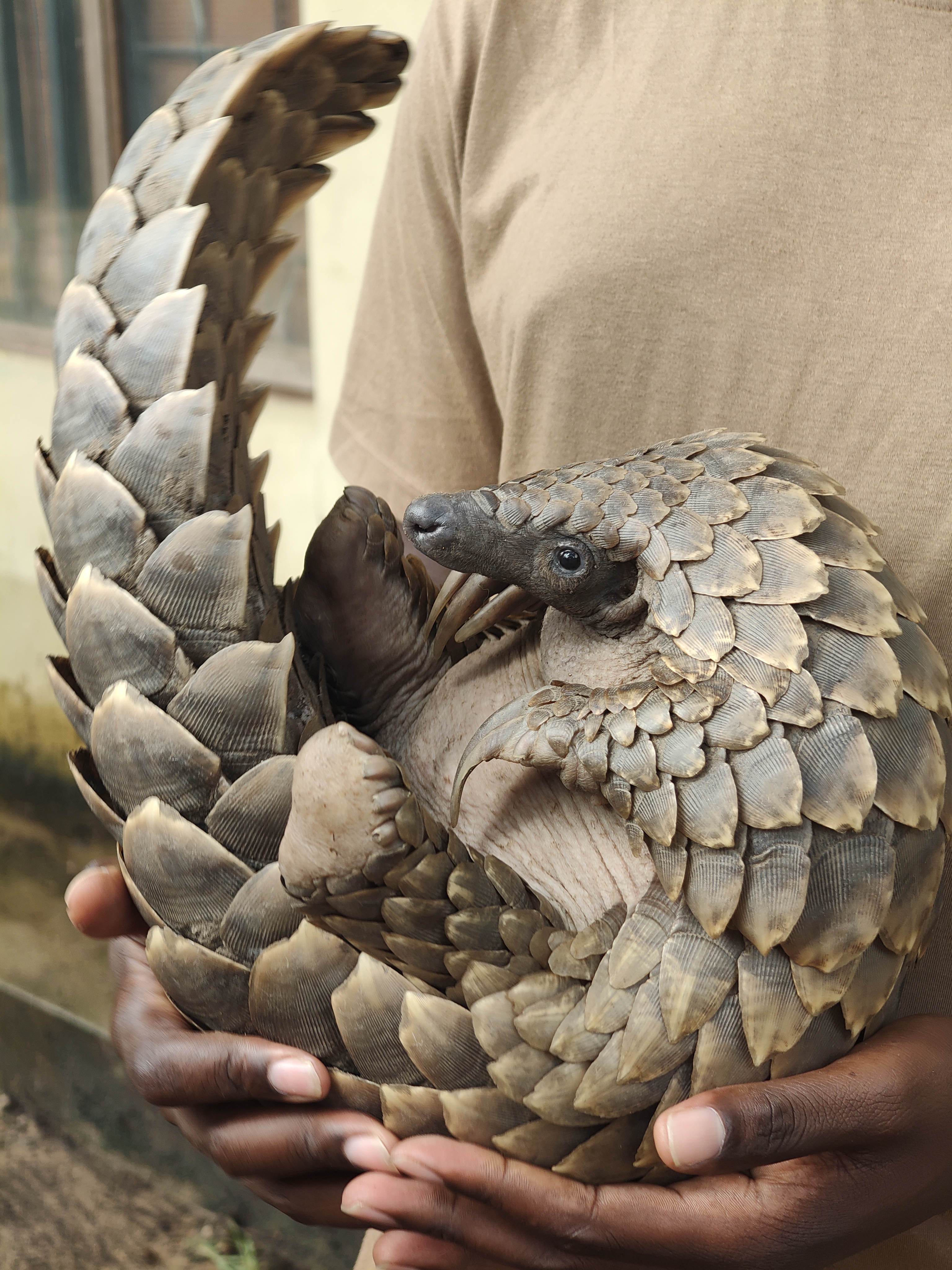
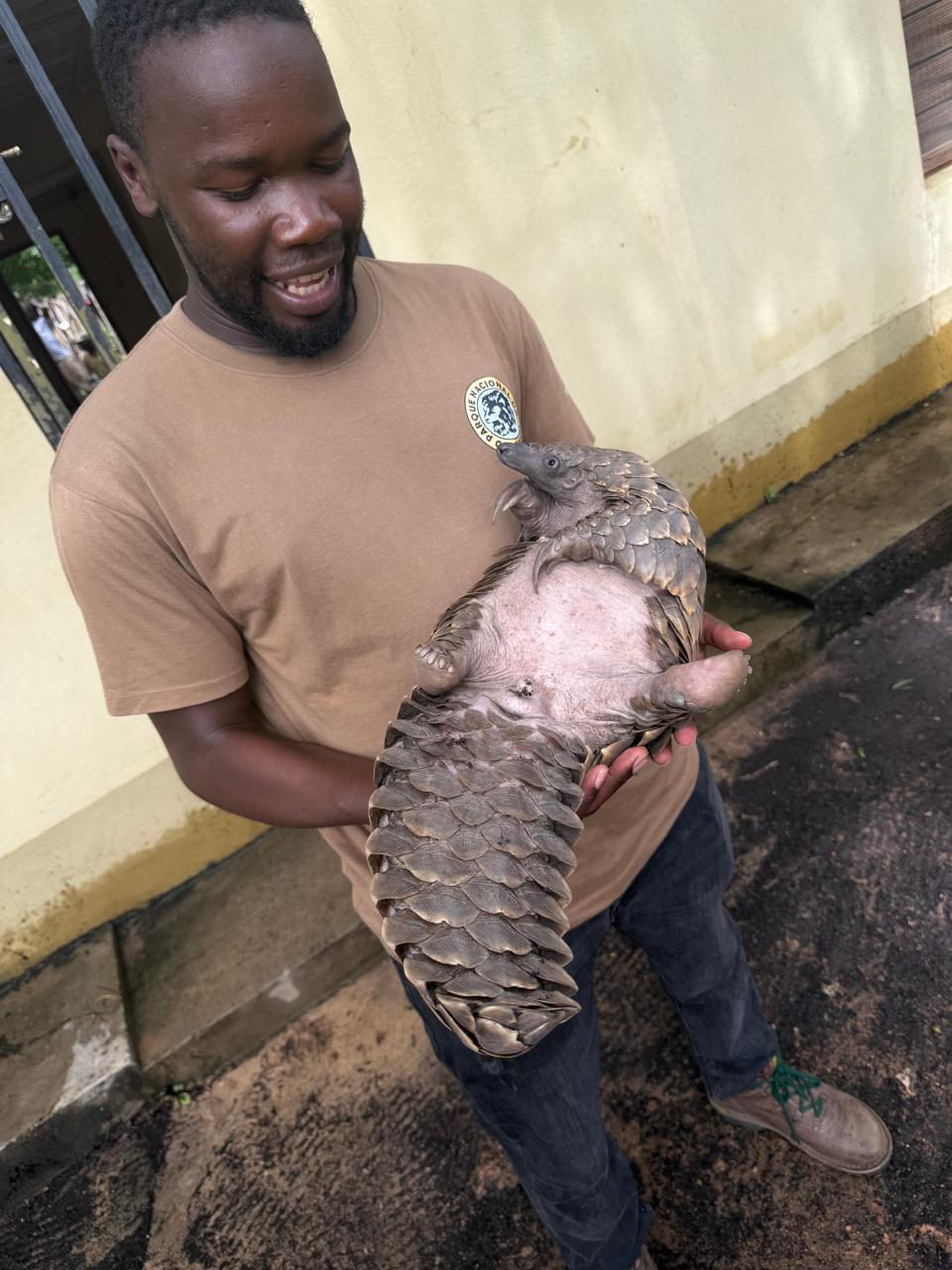
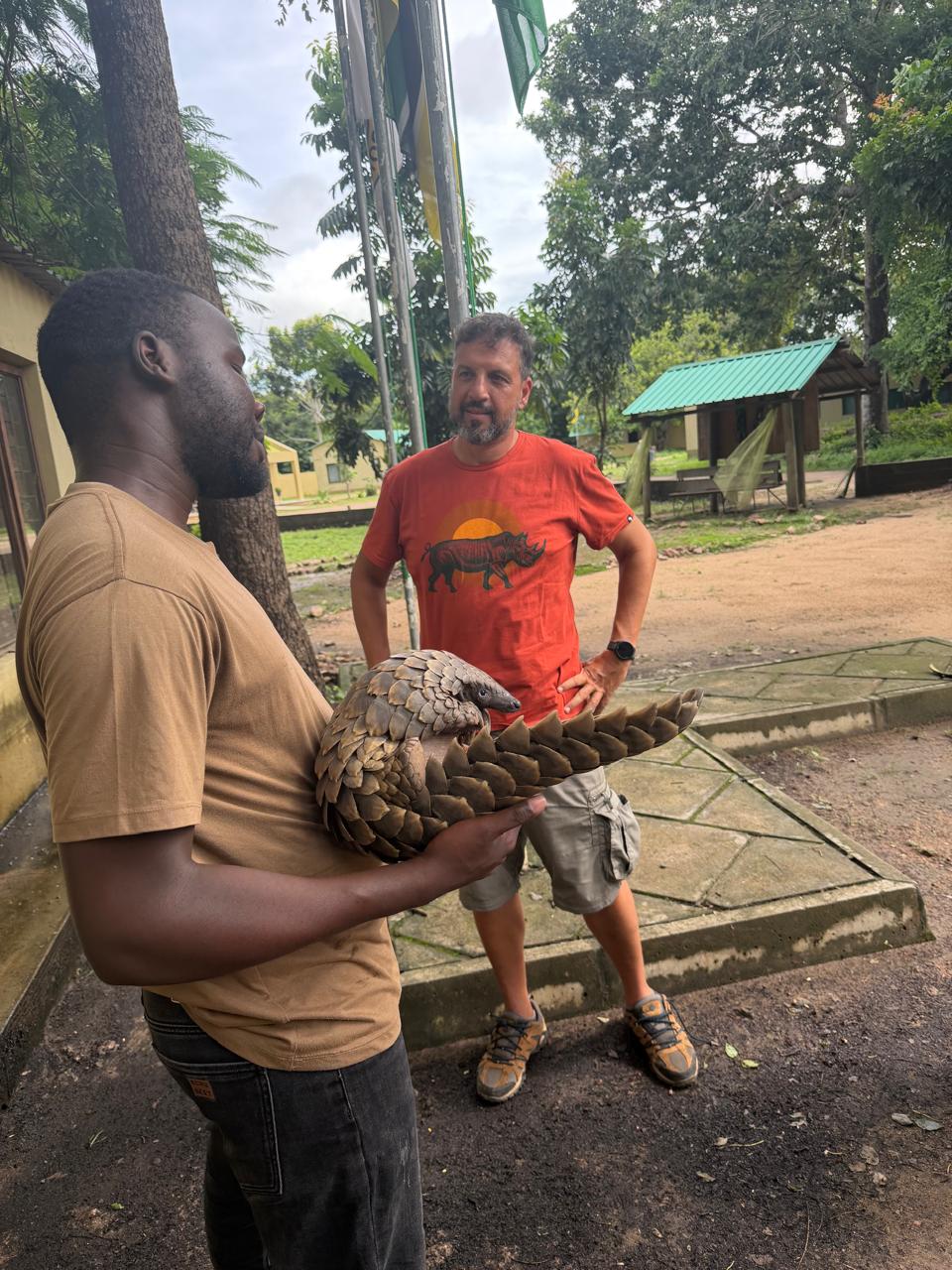
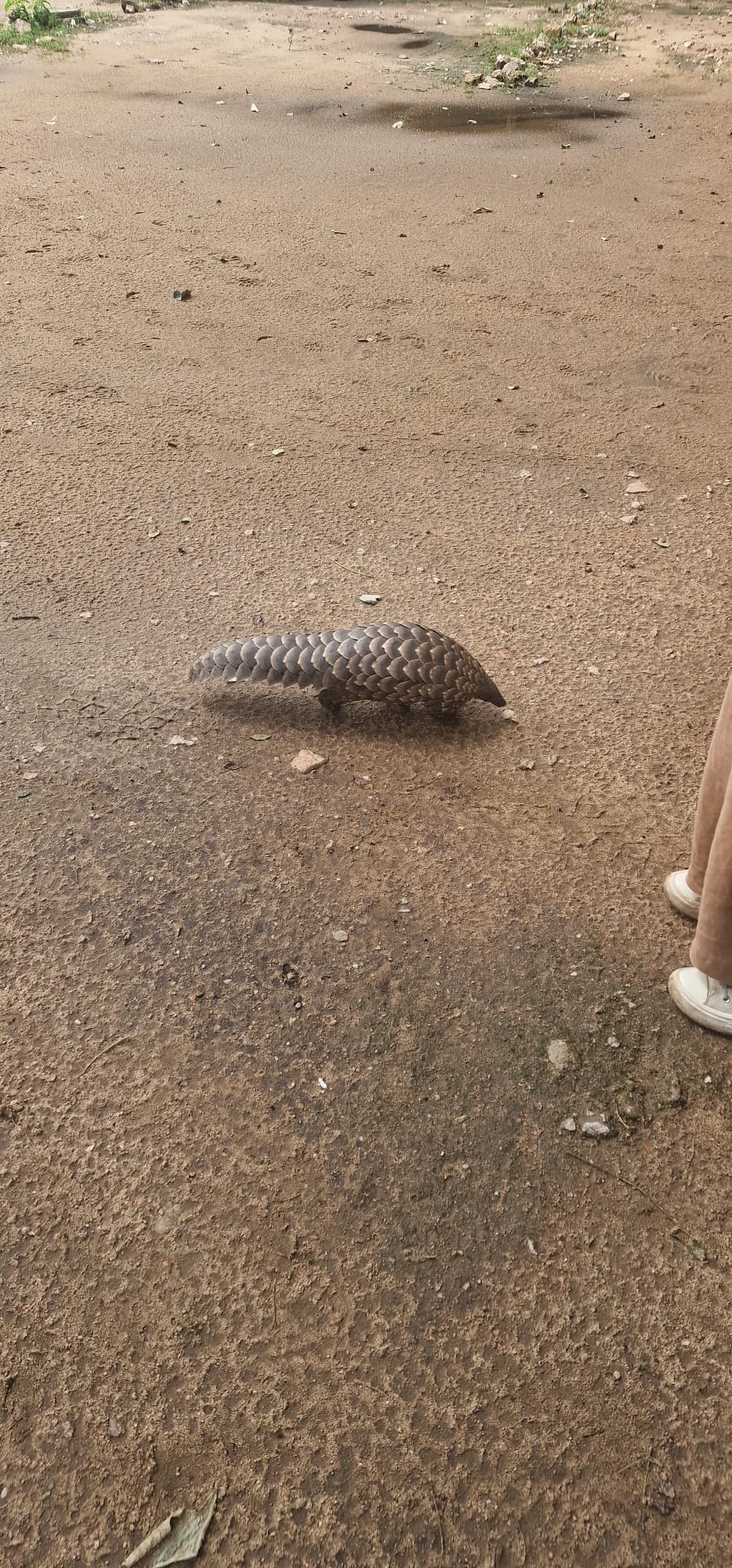
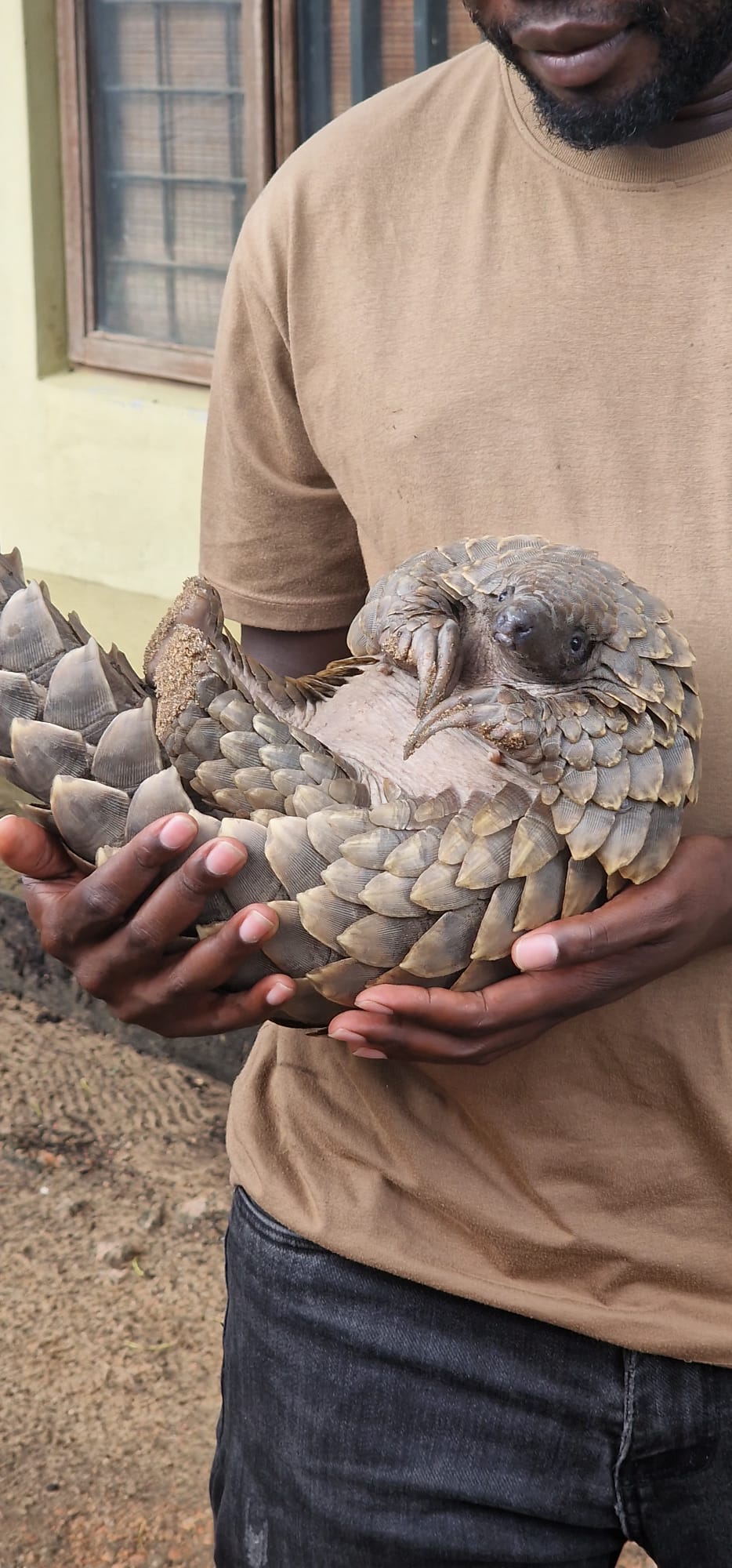
We went to see the pangolins, an animal I had never seen in person. They are very shy and endangered, and Gorongosa has already managed, through its conservation program, to rescue 160 pangolins from traffickers.
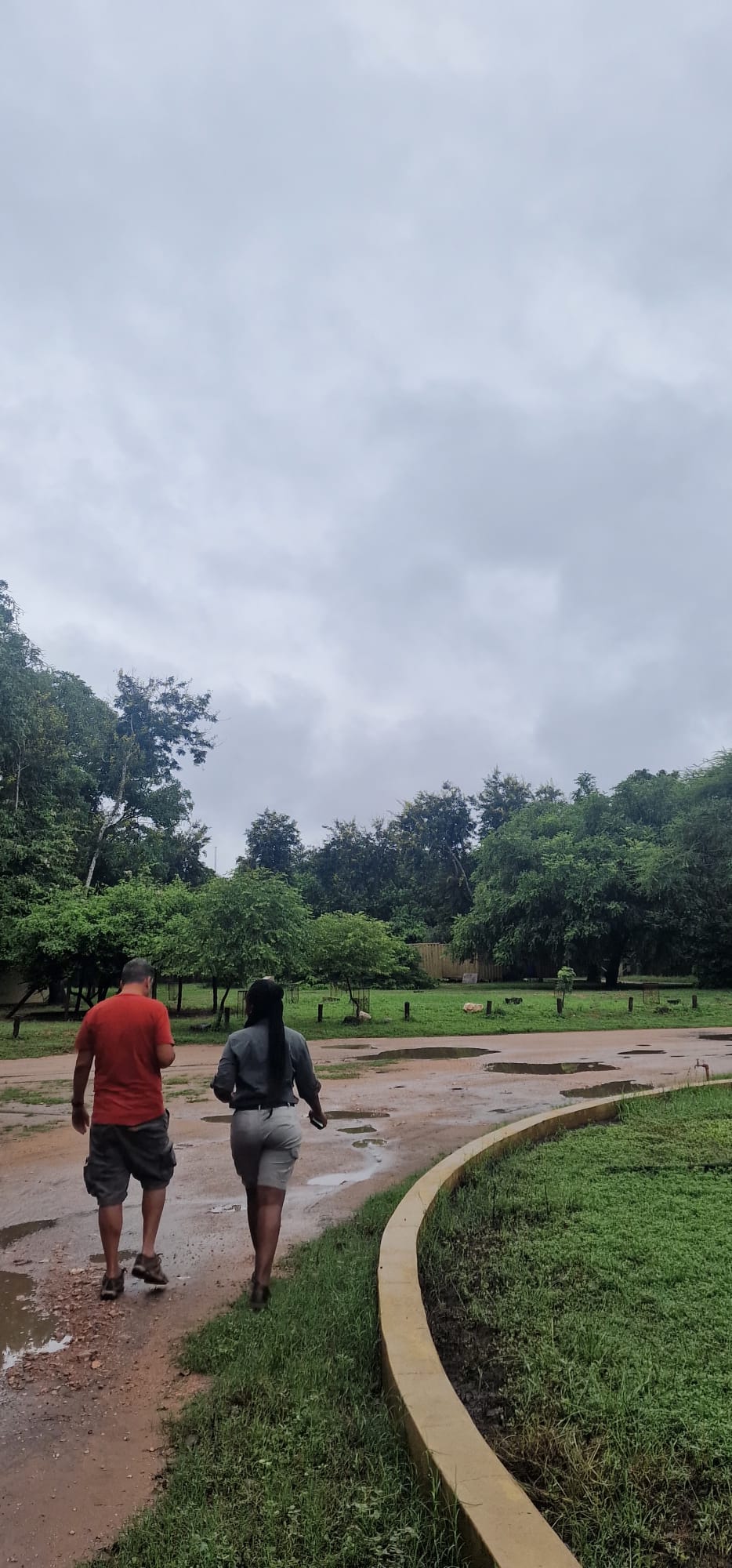
We didn't do the safari because it had rained heavily and the tracks were not yet passable. So we spent the afternoon breathing in the park's atmosphere and observing the work being done, in conservation, in science, but also with local communities in the buffer zones, particularly the project to keep girls in school and raise the retention rate after primary school, which currently stands at just 10%.
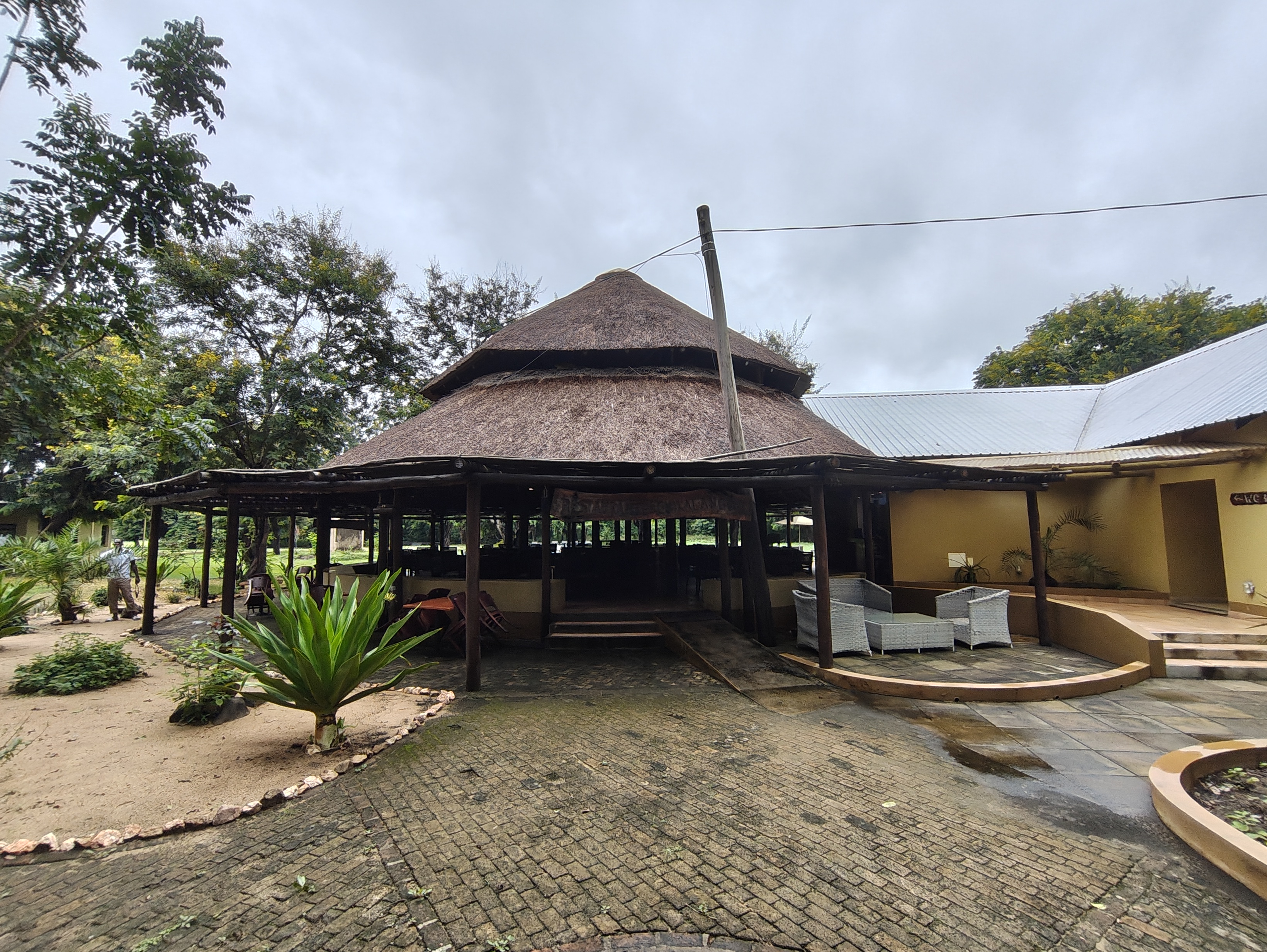
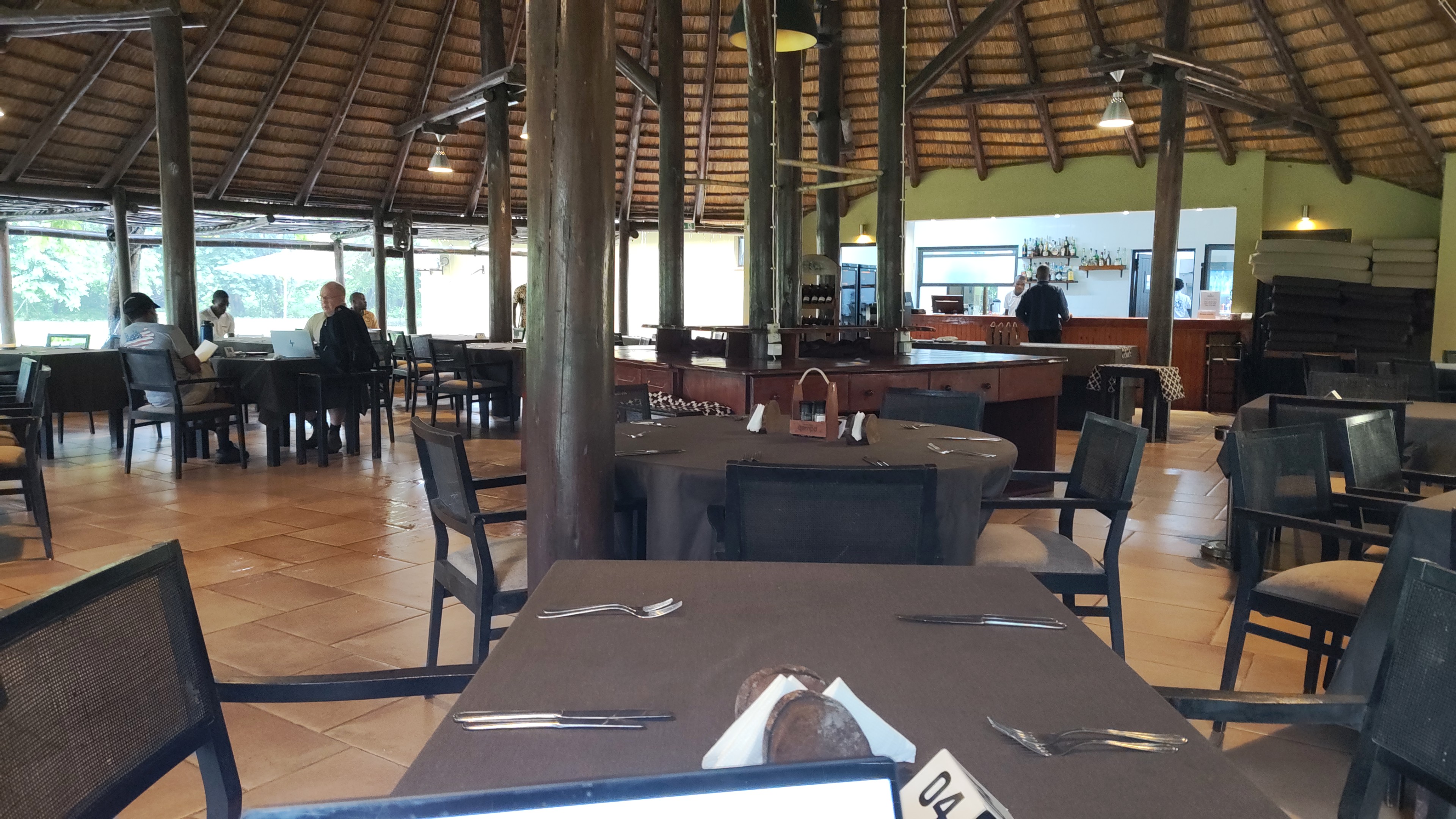
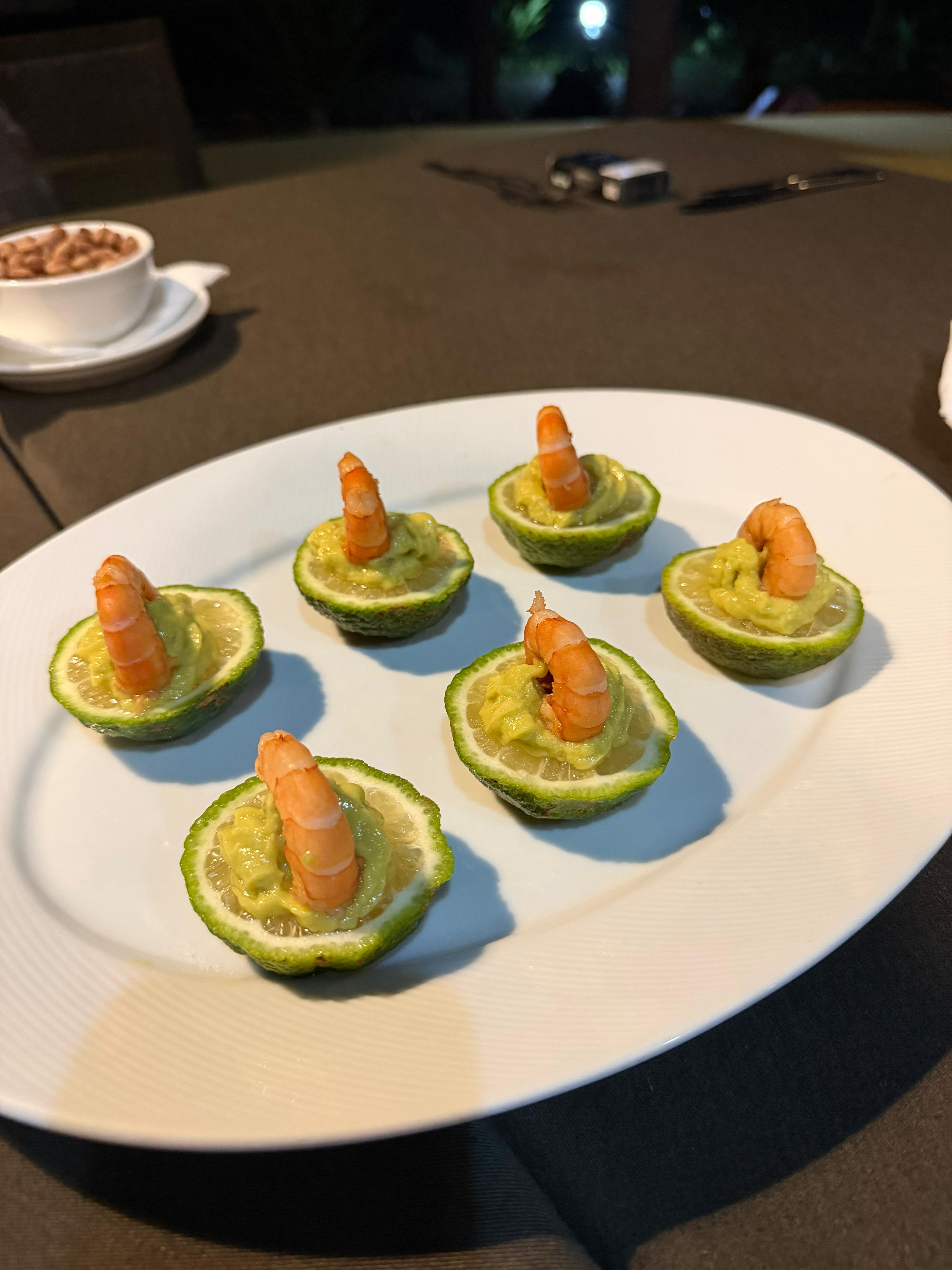
Before dinner we donated some avocados from Gurué to Virgílio, the chef at the camp restaurant, and were later surprised with a "donation" from him of avocado and shrimp canapés.
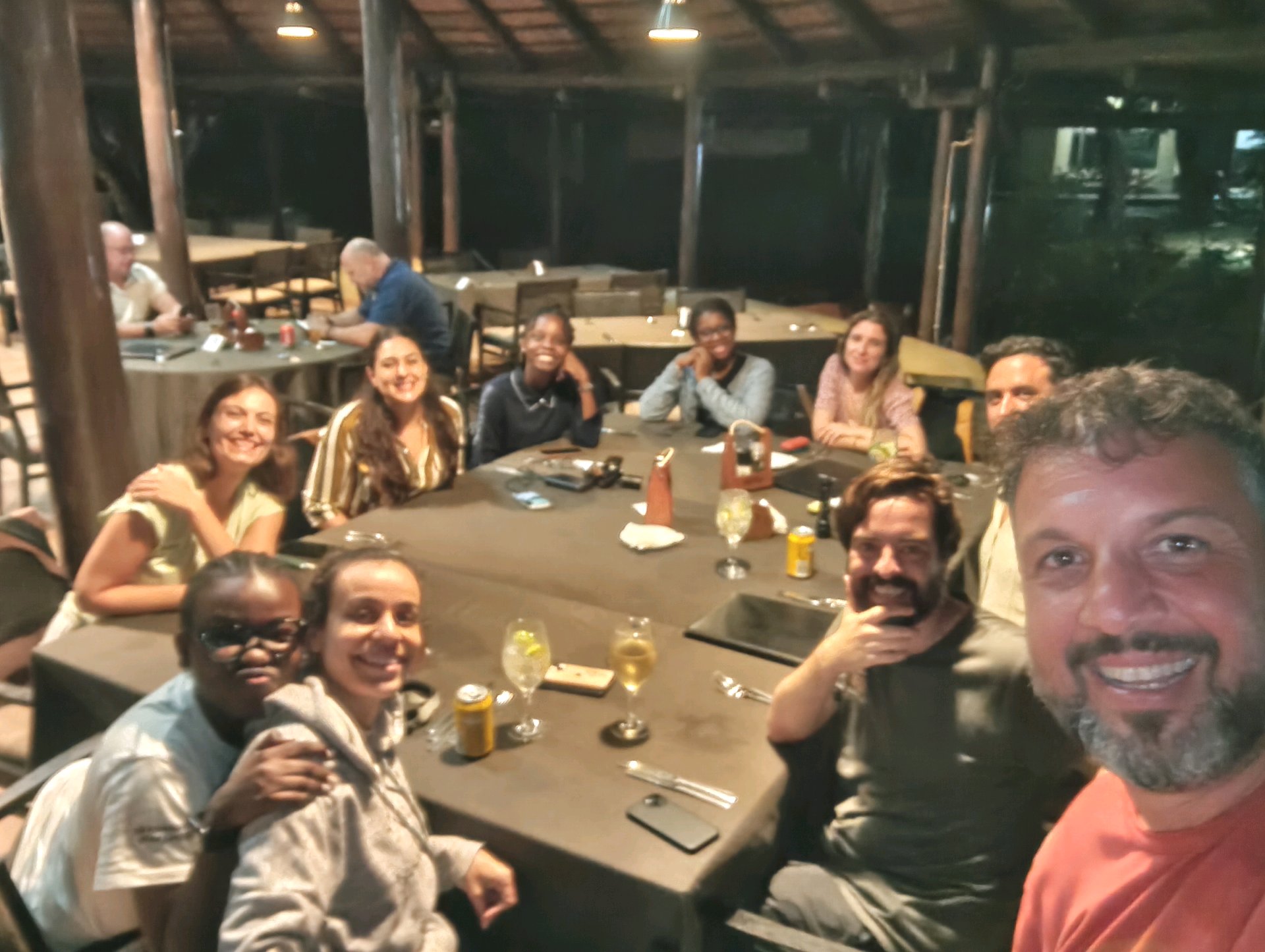
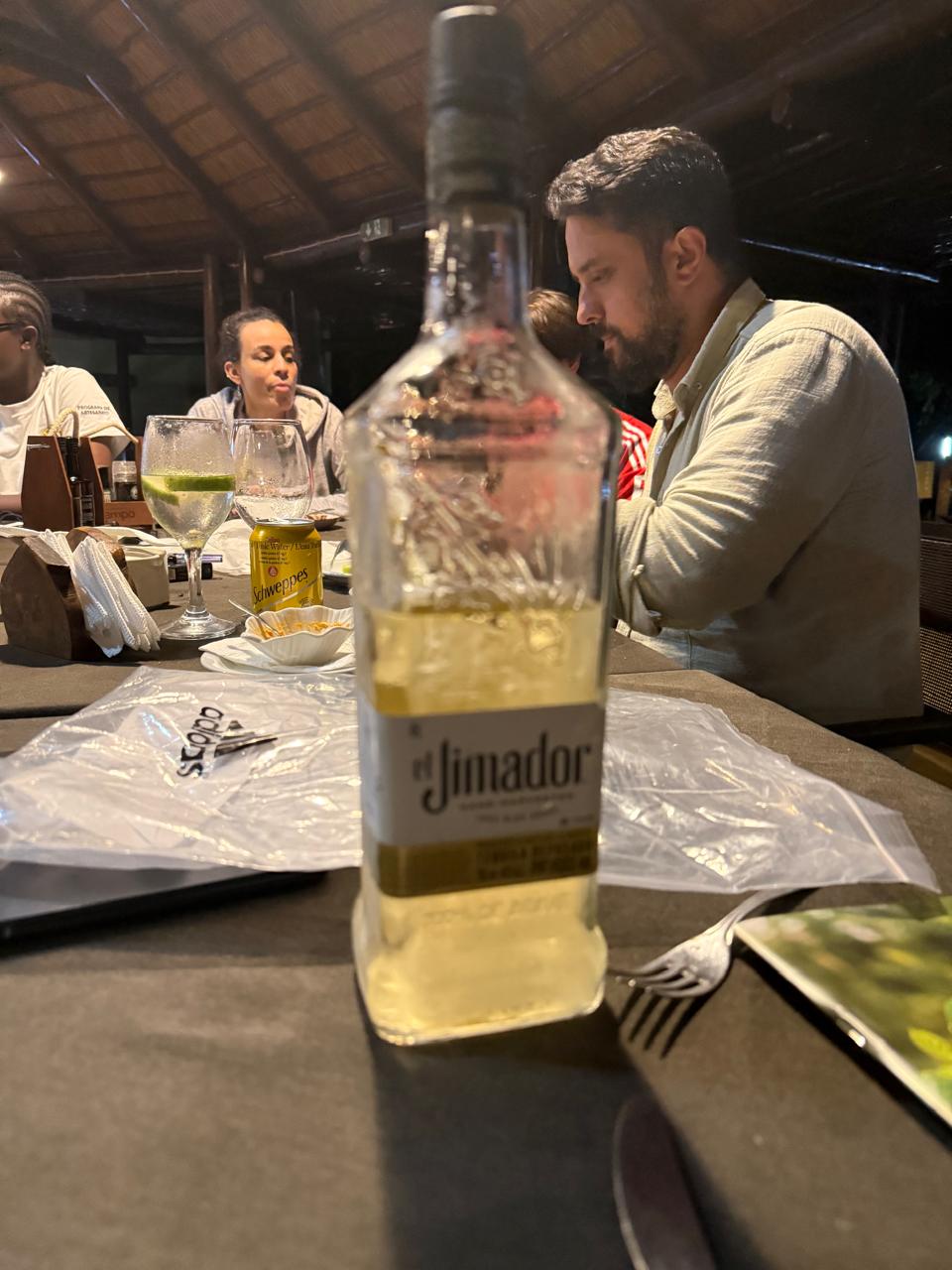
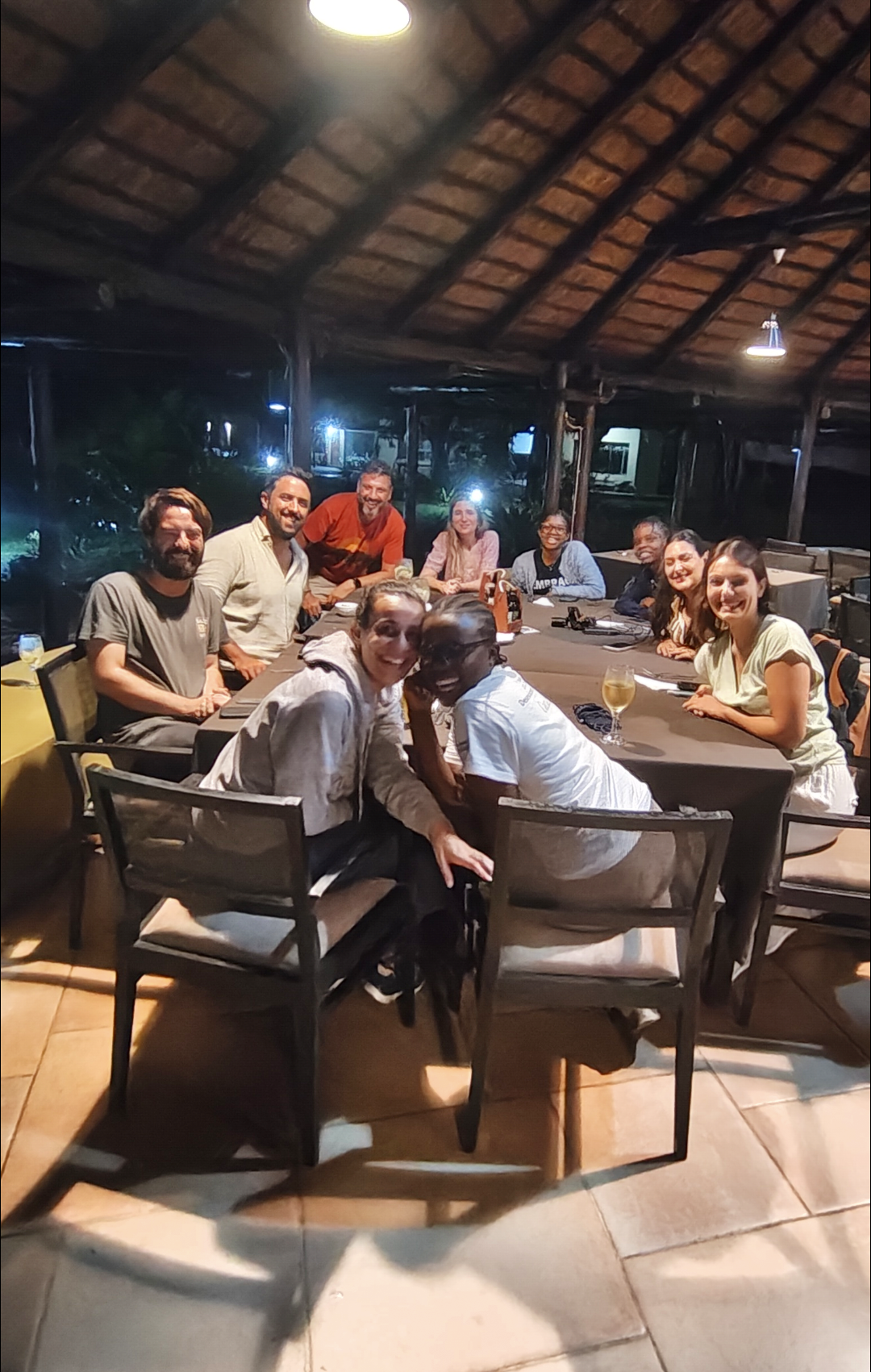
We had dinner with the Flow team, the Big 5 and the "3 Jotas" crew, João the paleontologist, Joana from the community support team, and Jéssica, the architect designing clinics for communities in the buffer zones.
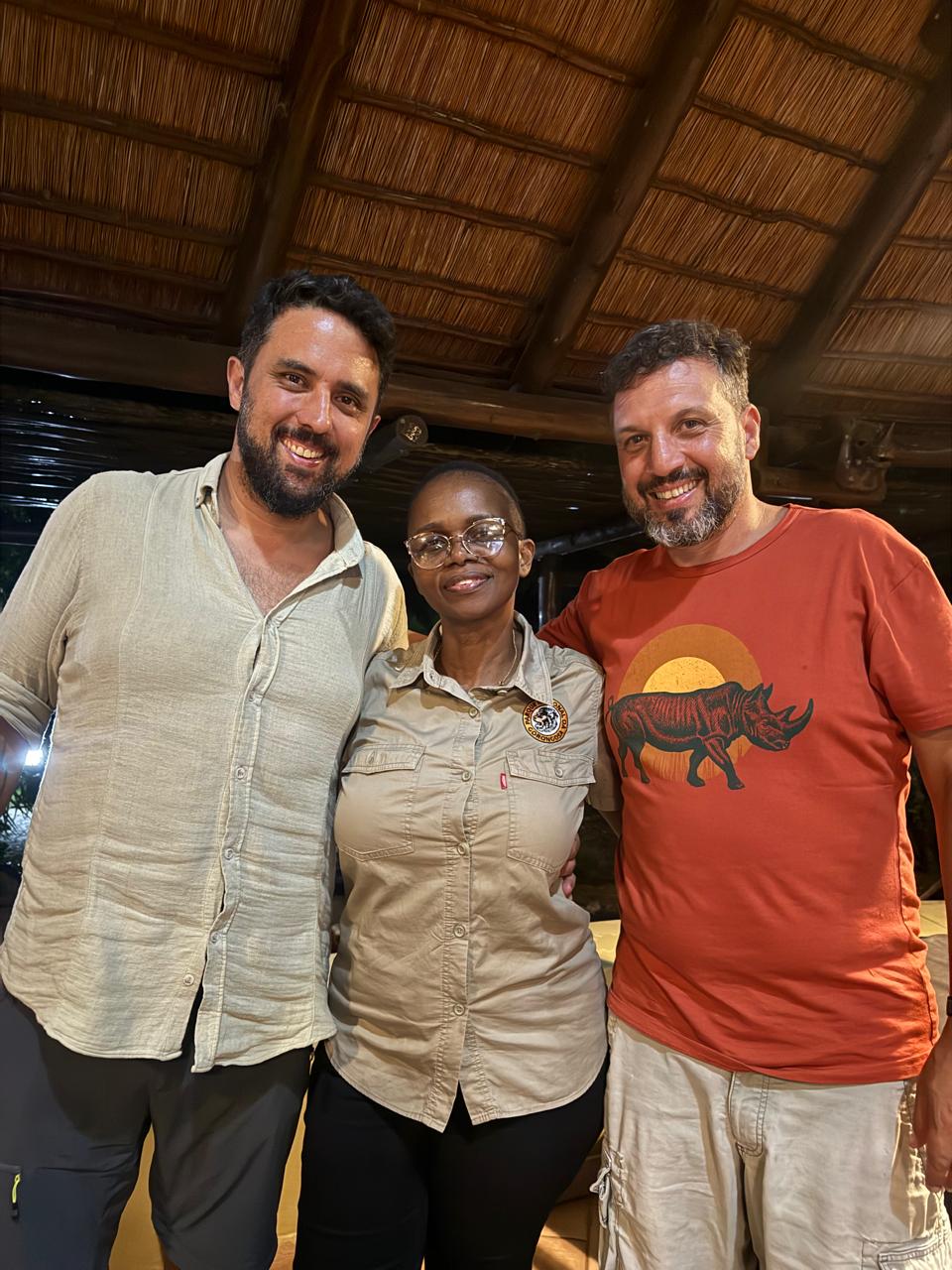
Aurora also joined us, the park's CEO who manages a team of 1,500 people.
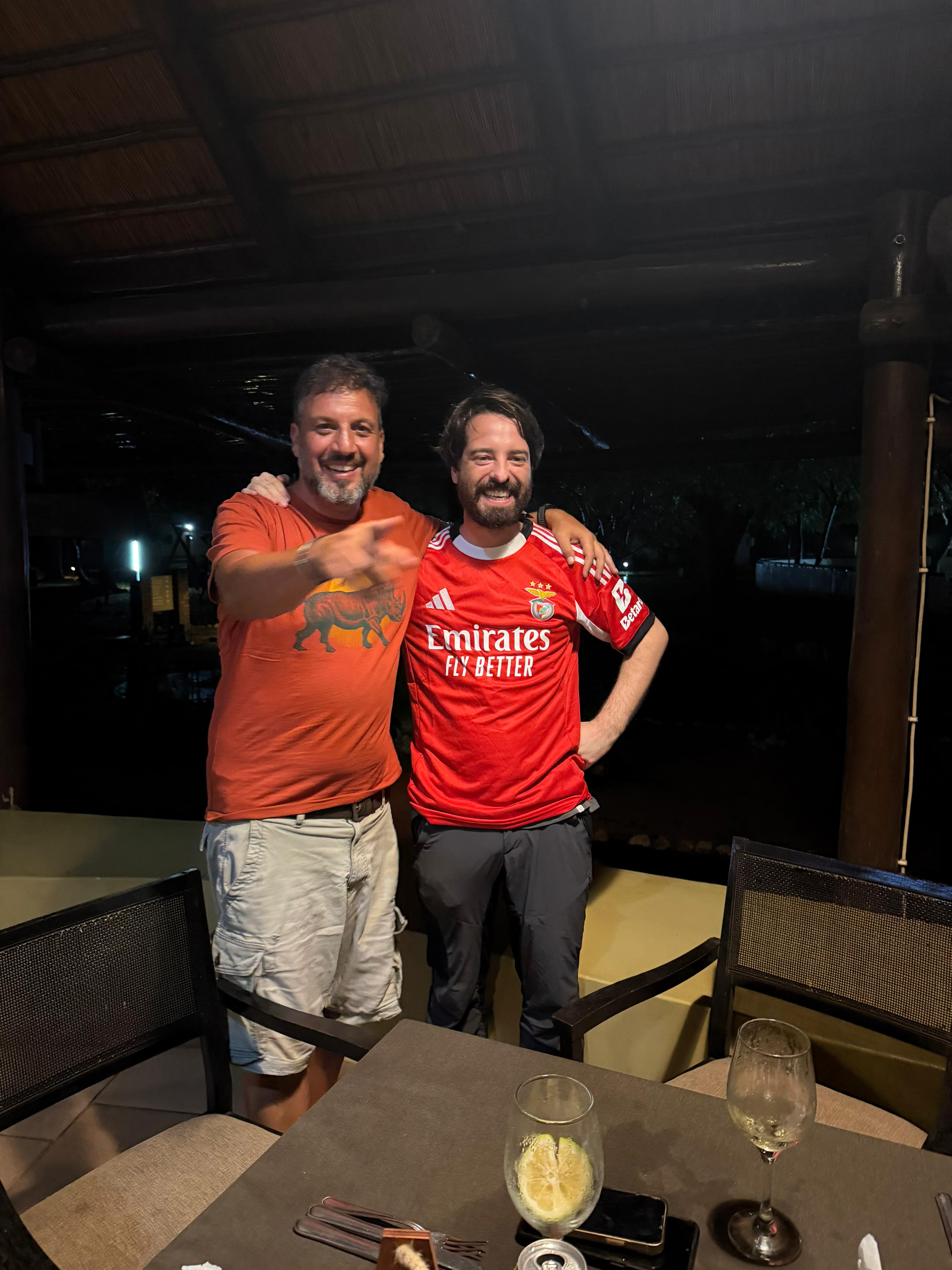
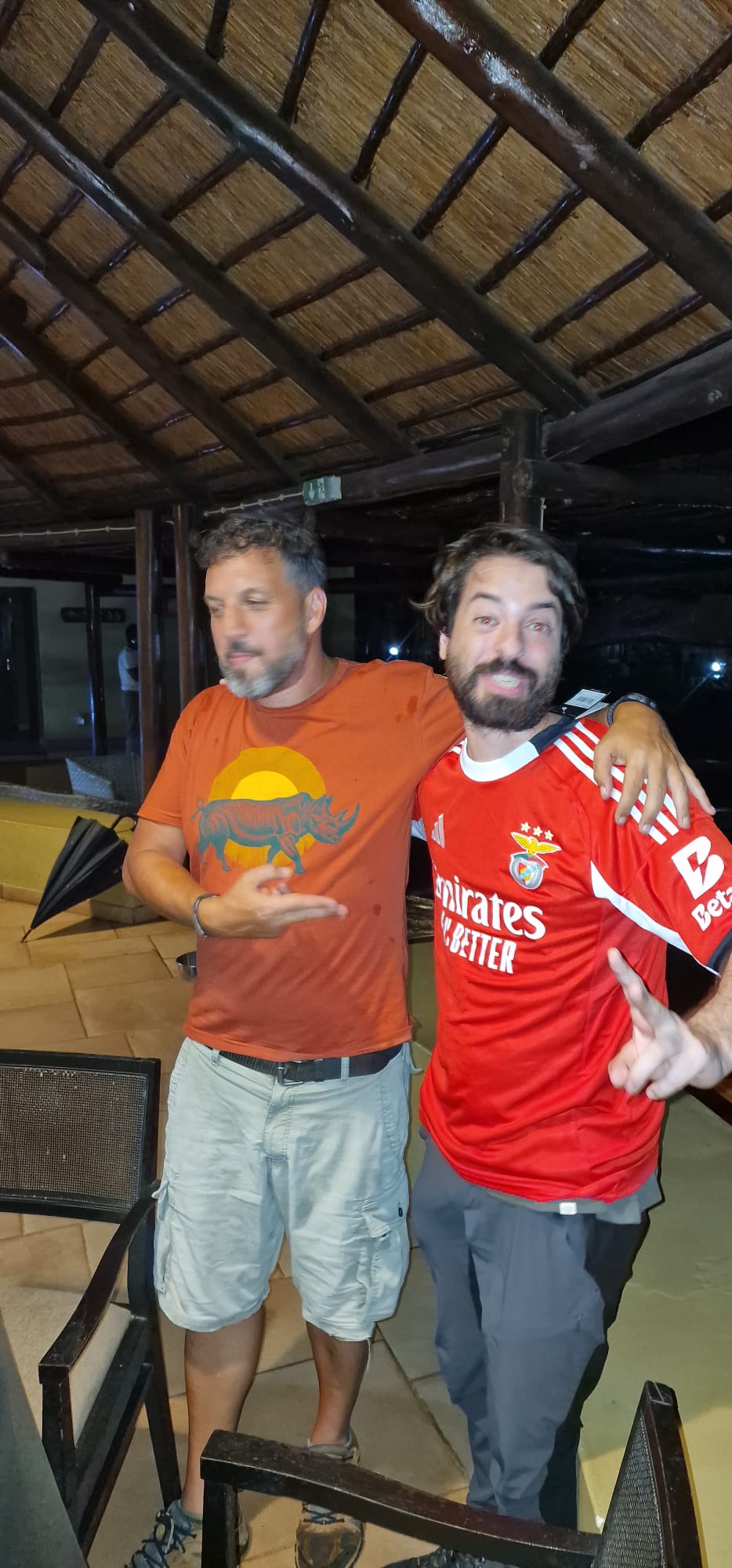
I found out that João Coelho, a die-hard Benfica fan, our favourite paleontologist, doesn't have a single Glorioso shirt at the park. That changed today, the man who managed to get us excited about rocks, sorry, fossils, will now be walking around the park on match days with the eagle on his chest.
The Gorongosa experience in one day couldn't have been better. The decision to sleep there was the right one, even though it means tomorrow we'll have a 12-hour drive to Tofo instead of splitting the journey in two.
The Gorongosa project is much more than a wildlife conservation park. It's hard to understand how it took me 27 years to visit. I'll be back soon, not least because there's still a selfie to take with Greg Carr.
Hoje era dia de finalmente conhecer o Parque Nacional da Gorongosa. Ouvi falar de histórias e passei algumas vezes por lá perto, a primeira delas em dezembro de 1999 num chapa a caminho de Machipanda, mas nunca entrei.
Sabia que estava destruído depois da guerra civil e que a maior parte da fauna tinha morrido ou fugido. E também sabia que há cerca de 20 anos um filantropo americano tinha ficado com a concessão do parque e estava a fazer um trabalho profundo de reabilitação. Acompanho o Greg Carr desde que soube disso, o milionário americano que ganhou a vida por ter inventado o atendedor de chamadas e que depois se apaixonou pela Gorongosa e decidiu fazer da sua recuperação o seu propósito de vida.
Antes de sairmos do hotel percebi, nas redes sociais, que a Ana Maria estava na Gorongosa. Envio mensagem. "Sim, estou com a Dani, a Matilde, a Winnie e a Lizel". Estavam as cinco a trabalhar num projeto com o parque, uma coincidência que animou ainda mais o nosso dia, porque passámos de turistas e representantes da Mussiro para únicos turistas, representantes da Mussiro e amigos das "Big 5", como tinham já sido batizadas por um dos elementos dos recursos humanos do parque.
Na Gorongosa não é permitido fazer self drive, porém, os 30 kms entre o portão e o acampamento são feitos no nosso carro e já se veem alguns animais.
Quando chegámos, a Ana Maria já tinha organizado um tour ao laboratório da Gorongosa e uma visita aos pangolins que estão em reabilitação.
A atividade de safari na Gorongosa é apenas uma fração do trabalho que ali é desenvolvido. Existe um grande foco na investigação científica, com um laboratório e técnicos dos melhores que existem em áreas de conservação. O João Coelho, um paleontólogo, foi designado para nos fazer a visita guiada e, apesar de estar visivelmente contrariado no início, ficou animadíssimo assim que entrou no primeiro edifício e nos mostrou as amostras botânicas. Mas o êxtase veio quando nos guiou pelo edifício de paleontologia e nos mostrou os fósseis do Mioceno. Eu também não sabia o que era o Mioceno e não perguntei, googlei mais tarde.
O fascínio do João era contagiante e estávamos maravilhados com o trabalho que ali se desenvolve.
Combinámos almoçar com o João porque ele queria muito explicar-nos como se faz a datação dos fósseis, e ninguém se atreveu a contrariá-lo.
Antes do almoço ainda vimos o Greg Carr e, segundo a Ana Maria, foi a primeira vez que me viu com vergonha. Não consegui pedir uma selfie. Falei com ele em mais duas ocasiões durante este dia e em nenhuma delas consegui pedir a selfie. Numa delas, incentivado pela Dani, ainda corri atrás dele depois de ele se despedir, mas também não deu, enfim.
Fomos ver os pangolins, animal que nunca tinha visto ao vivo. São muito tímidos e estão em risco de extinção e a Gorongosa já conseguiu, com o seu programa de conservação, retirar 160 pangolins das mãos de traficantes.
Não fizemos o safari porque tinha chovido muito e as picadas ainda não estavam transitáveis. Por isso passámos a tarde a respirar o ambiente do parque e a observar o trabalho que se faz, quer na conservação, na ciência, mas também com as comunidades locais nas zonas tampão, nomeadamente o projeto de manter as meninas nas escolas e subir a taxa de permanência depois da escola básica, que hoje é de apenas 10%.
Antes de jantar fizemos uma doação de abacates do Gurué ao Virgílio, o chef do restaurante do acampamento, e fomos surpreendidos depois com uma "doação" dele para nós de uns canapés de abacate e camarão.
Jantámos com a equipa da Flow, as Big 5 e os "3 Jotas", João, o paleontólogo, a Joana, da equipa de apoio à comunidade, e a Jéssica, arquiteta que está a desenhar as clínicas para as comunidades nas zonas tampão.
Juntou-se ainda a Aurora, que é a CEO do parque e gere uma equipa de 1500 pessoas.
Fiquei a saber que o João Coelho, benfiquista ferrenho, o nosso paleontólogo preferido, não tem nenhuma camisola do Glorioso no parque. Isso acabou hoje, o homem que conseguiu entusiasmar-nos com calhaus, desculpem, fósseis, vai passar a passear-se no parque em dia de jogo de águia ao peito.
A experiência da Gorongosa num dia não podia ter sido melhor. A decisão de dormirmos lá foi acertada, apesar de isso implicar que amanhã teremos 12 horas de viagem até ao Tofo em vez de partir essa etapa em duas.
O projeto da Gorongosa é muito mais do que um parque de conservação de vida selvagem. É difícil perceber como demorei 27 anos até o conhecer. Vou voltar em breve, até porque há uma selfie por tirar com o Greg Carr.